Opinion: Trump criticizes modern designs for government buildings, but these show growth
By Helen Juwon Park/Illustrations director; Photo Credit: Daily Bruin File Photo

By Catherine Price
Oct. 19, 2025 4:17 p.m.
This post was updated Oct. 21 at 11:41 p.m.
Just a 20-minute walk from campus, the 1100 Wilshire Federal Building is 17 stories of white concrete and plaster, an image of corporate late modernism at its finest.
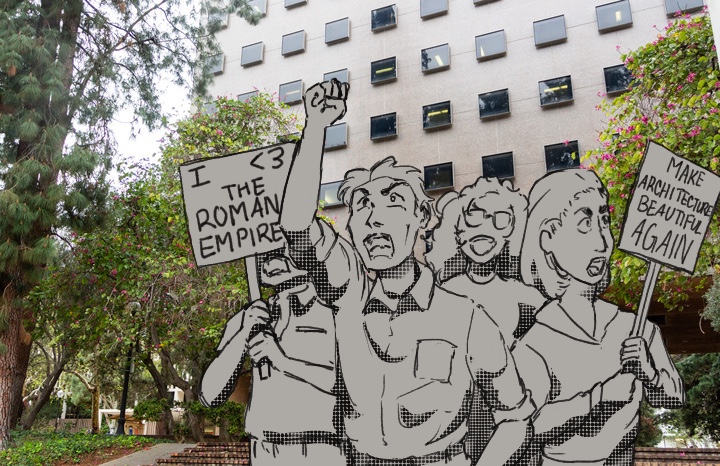
It’s also what President Trump’s executive order “Making Federal Architecture Beautiful Again” would refer to as “undistinguished” and “unappealing.” This executive order, signed in August, criticizes the use of modern designs for government buildings.
It turns out the building that many students pass every day is at the heart of a battle for the soul of America.
At first, this executive order may seem politically inconsequential. But the real power of this executive order does not lie in pleasing aesthetics – it lies in the traditionalist connotations those aesthetics have.
Traditional American values usually stem from a pride for democracy. There is an idea that classical reference connects our democracy to the ones of the past. But the use of antiquity – also referred to as the ancient past – as inspiration for values is problematic.
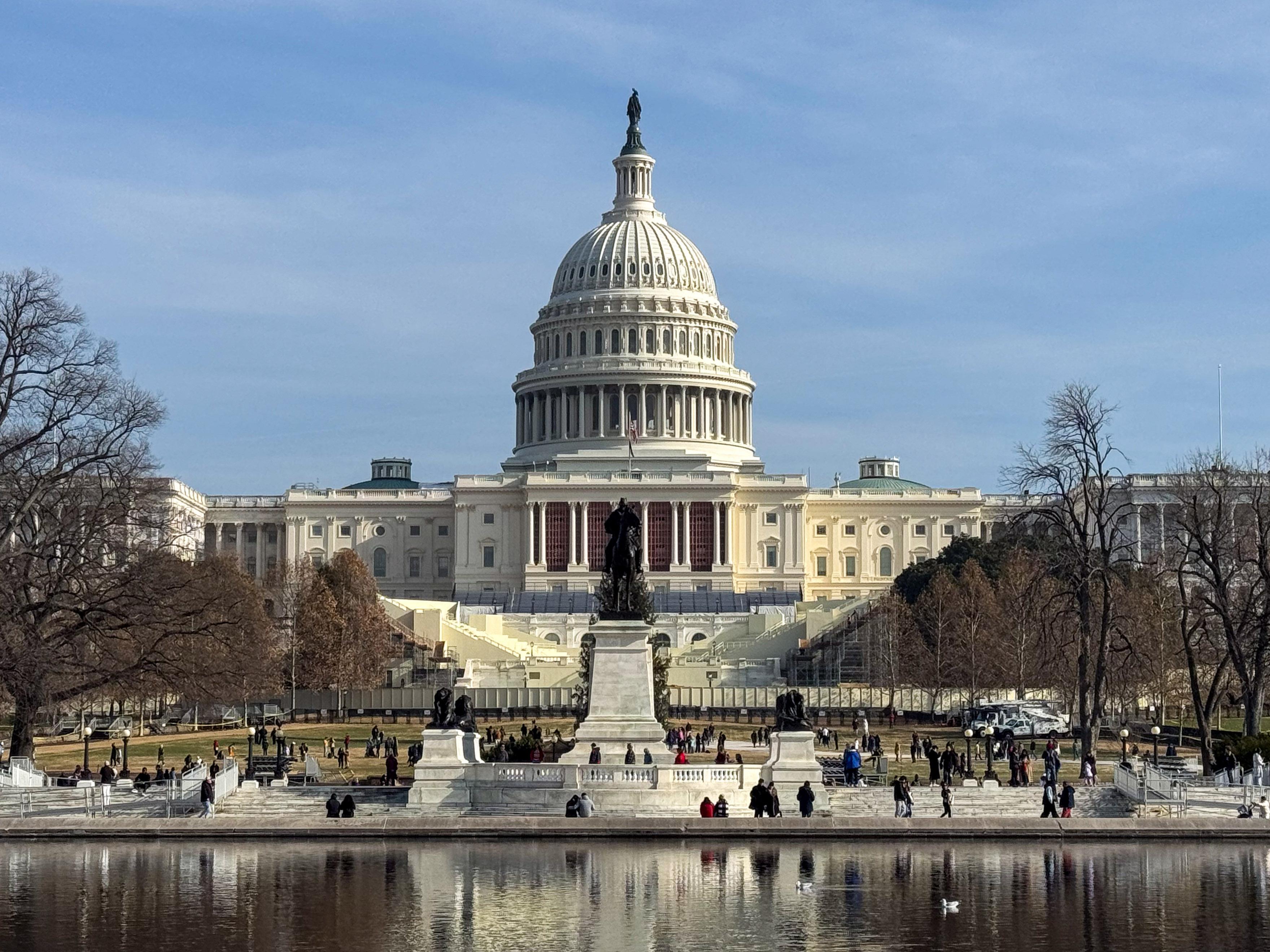
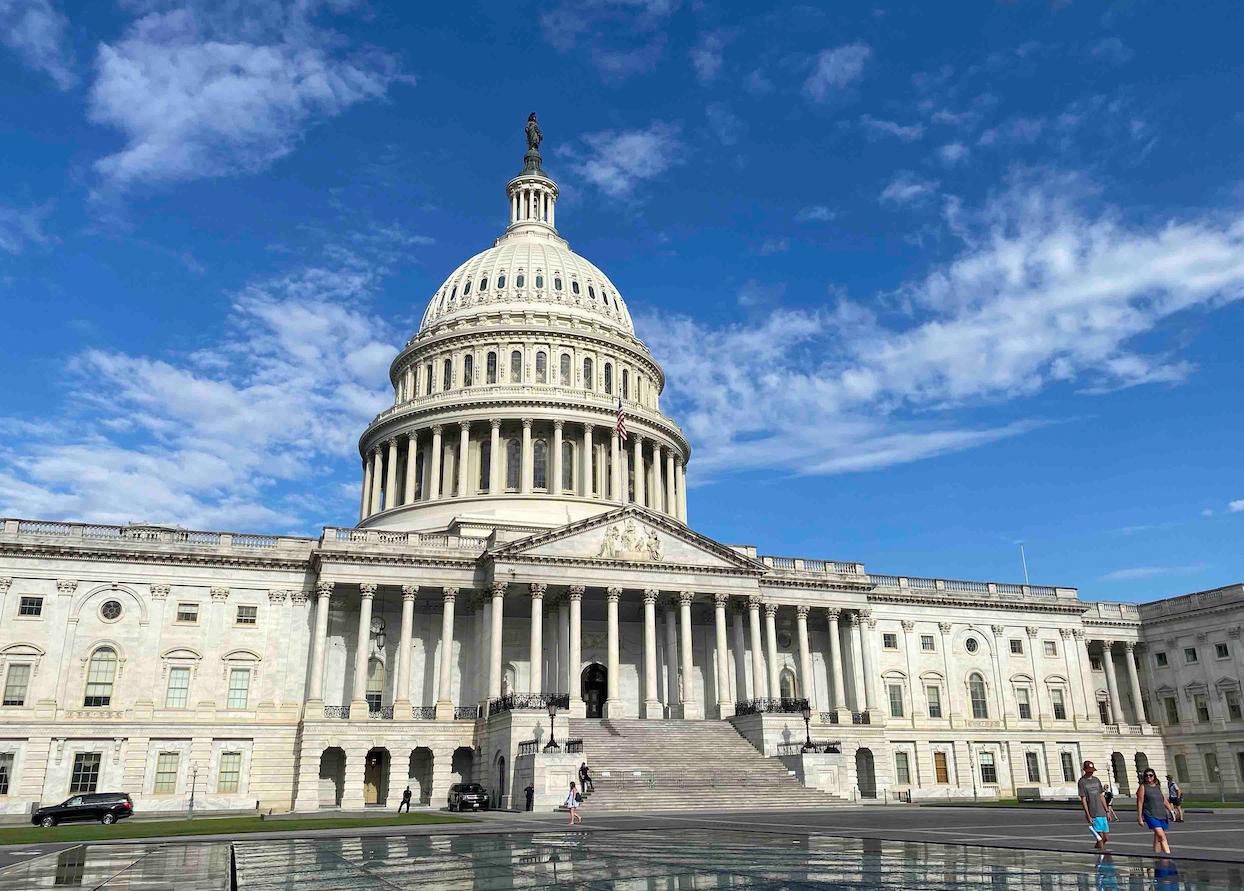
Overseen by the General Services Administration, the order updates guidelines for selecting federal building designs and encourages the use of classical architecture. In Section 1 of the order, the Trump Administration cites architecture as a way to remind “citizens not only of their rights but also their responsibilities in maintaining and perpetuating its institutions.” The section continues on to say these structures should also “encourage civic virtue.” The White House declined to comment on the executive order, citing the federal government shutdown.
Classical references symbolize more than just democracy in the past. For example, classical civilizations have been appropriated to support the Confederacy. In this instance, classical architecture stands for what the Trump administration defines as virtuous.
As a classical civilization student myself, many classes go over what different philosophers view as virtuous. So when my Classics 10 professor mentioned this executive order, I was intrigued.
My professor explained that the Trump administration is not alone in its logic. American monuments have historically used the classical style as a symbol of traditional values.
Robert Gurval, an associate professor emeritus in classics who taught the Fiat Lux seminar “Ancient Rome and the Monuments of Washington DC,” said there is a long history of neoclassical architecture that poses different perspectives.
However, the question remains: what are the “American values” and civic virtue this architecture is claimed to represent?
“The problem is that in the polarized moment that we’re living through, you can’t really police what civic virtue means,” Francesca Martelli, a professor in the department of classics, said. “It’s become what cultural theorists refer to as a floating signifier, which means it can mean anything to any group.”
Martelli, who teaches courses on Roman culture, said classical history is often presented in ways that professionals don’t recognize.
In antiquity, philosophers spent their lives defining what virtue was and how it could be followed.
The “civic virtue” referenced in this executive order is not clear. Moreover, it’s difficult to identify with the virtue this administration seeks to establish.
The executive order stated buildings must “command respect” and convey “the dignity, enterprise, vigor, and stability of America’s system of self-government.”
This comes from the same administration that, in other executive orders, categorized research grants for diversity, equity and inclusion as “anti-American,” and said laws passed for the advancement of LGBTQ+ rights were “harmful to U.S. interests.”
America glorifies and romanticizes ancient societies. Groups have tried to memorialize Confederate leaders using Spartan and other ancient Greek ideologies, perpetuating the Lost Cause movement.
Using antiquity to symbolize moral standpoints is a complicated endeavor. Using it to symbolize values like “civic virtue” is borderline impossible.
While modern architecture may lack the impression of inspiration and democratic greatness, it is straightforward with its intentions. It has a distinct role in society, not an undefinable value that changes depending on who you ask.
When I look at the Wilshire Building, I know exactly what to expect: a bureaucratic office that functions to serve the country and its citizens.
Modern architecture is also proof that times change. Things grow and hopefully get better.
Symbols are powerful things, especially in this charged political atmosphere. We should represent our democracy as something that can keep improving in the future, not a connection to a less-than-perfect past.