Opinion: UCLA museums must remember the big picture and continue to host diverse exhibits
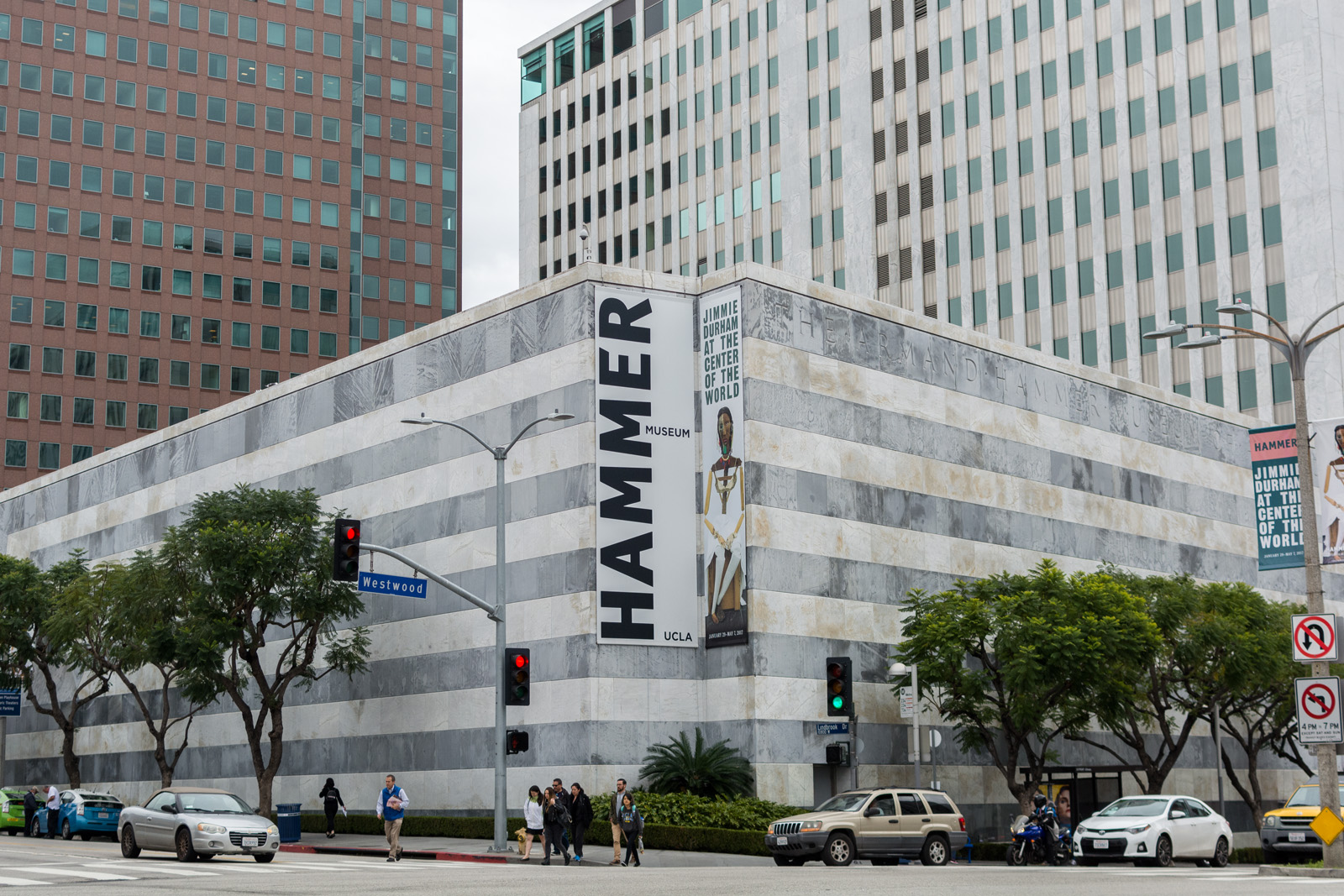
The Hammer Museum is pictured. Preserving diversity in museum exhibitions is important for intellectual discourse, Leonhardt writes. (Daily Bruin file photo)

By Lilly Leonhardt
Oct. 2, 2025 8:14 p.m.
This post was updated Oct. 5 at 7:32 p.m.
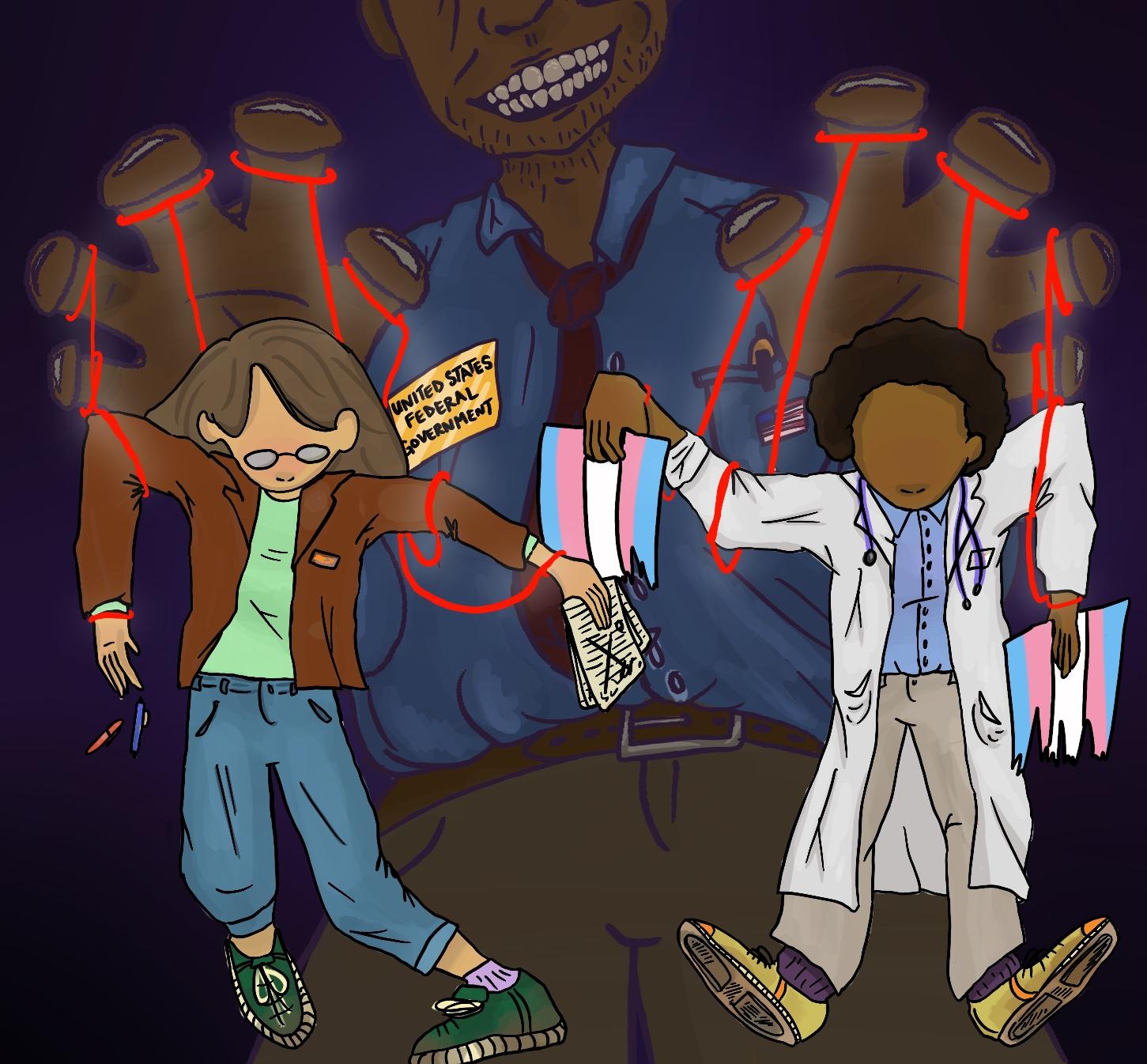
Censorship has been central to the Trump administration – and art seems to be its next target.
UCLA museums, such as the Hammer Museum and Fowler Museum, must continue to showcase diverse exhibitions. Without these, we risk damaging implications for free speech and critical thinking.
President Donald Trump has set out on a mission to destroy diversity and “wokeness” in American institutions. Recently, he attacked museums, critiquing the Smithsonian for focusing too much on “how bad slavery was.”
In the wake of these comments, museums across the nation have made significant changes to their programming and exhibitions. Curators have begun to change their displays in an attempt to appease a conservative audience.
As a result, the art and history exhibited on campus highlights less diverse and politically provocative themes. Consequently, students’ ability to think critically and understand the varying narratives that make up the fabric of this university is being harmed.
Paul Von Blum, a senior lecturer in African American studies and communication who is involved in the art world, said changes to museum curation is an attempt to erase history.
“What the Trump administration is trying to do is to erase the actualities of the conflict that we’ve endured and the centuries of turbulence, of agitation against racism, against sexism, against homophobia and all of the other things that the Trump administration is trying to deny,” Von Blum said.
While it appears that the Fowler and Hammer museums have not made significant changes to their planned exhibitions under the new administration, UCLA is certainly not immune to federal politics. Already, it has eliminated diversity hiring statements and had its federal funding temporarily frozen.
If UCLA continues to adhere to Trump’s other recommendations, it is not implausible that university museums could shift away from what the administration has labelled “wokeness.”
Currently in Los Angeles and the UCLA area, museums seek to serve their community and artists. The Hammer Museum, for instance, is committed to showing emerging and underrepresented artists.
“Museums are crucial components of a thriving society,” a spokesperson for the Hammer Museum said in an emailed statement. “All museums – whether specializing in art, history or science – help visitors to build empathy for one another, gain visual literacy and critical thinking skills, and develop a better understanding of the world that sustains us.”
Limitations on museum content will have devastating impacts on intellectual discourse and access to learning about our society. Von Blum said changes to the Fowler and Hammer Museum would greatly hurt thousands of people.
“That would mean not only that the some 40,000 students at UCLA would no longer have access to critical exhibitions, but the multitudes of people who come to the Hammer and who come to Fowler would no longer have access to things,” Von Blum said. “When you don’t have access to things that are critical, your intellectual capabilities are stunted.”
Some in the art space, however, do not think action against Trump’s goals ought to be prioritized.
Erika Hirugami, a doctoral student in Chicana and Chicano studies, said that while it is important to support artists, museum curation is difficult to focus on because museums are currently flawed institutions.
“Museums in our city have been doing a really spectacular job at divorcing themselves from our community, and I think that is also the fault of the administrations of these locations,” Hirugami said.
She added that these spaces often do not take enough risks and are prone to self-censorship.
Hirugami also said that issues such as immigration should take precedence over issues surrounding museums and free speech.
“Censoring is important and this idea of not having funds is incredibly relevant, but also, there’s so much more going on than whether or not we have the money to do exhibitions,” she said.
Hirugami emphasized that it is key to center artists during this time, as their craft is being compromised.
“Not having the funds and lacking freedom of speech is going to make it so that within our spaces, the conversations get very, very muted, and the art that we’re going to continue to champion is going to become less innovative, less revolutionary and less interesting,” Hirugami said.
To ensure our intellectual capabilities remain strong, it is imperative that museums continue to curate exhibits that critically engage with the flaws in our society while platforming evocative art and history that makes us uncomfortable.
There are a plethora of rights that the president is attempting to strip away from us. Just at the tip of the iceberg are rights such as freedom of the press, the freedom to protest and the right to due process proceedings. Of course, some are more dangerous and immediate than others. These should obviously not be dismissed, ignored or minimized.
But that does not negate the fact that even seemingly trivial policy changes, such as with something as seemingly elitist as museums, can have impossibly dangerous implications.
These changes will affect students on the individual level, as they will undoubtedly limit their ability to learn about the world in which they live.
But more than that, this act threatens the future of free speech for everyone in the United States, not just UCLA students. Von Blum said these actions evoke fears of the development of a fascist state: an authoritarian government with power concentrated in the hands of a few.
“What fascist administrations have done, especially in the 20th and early 21st century, is that they take on cultural institutions because they want to control the flow of information,” he said. “I see this as one of the most dangerous times in all of American history.”