
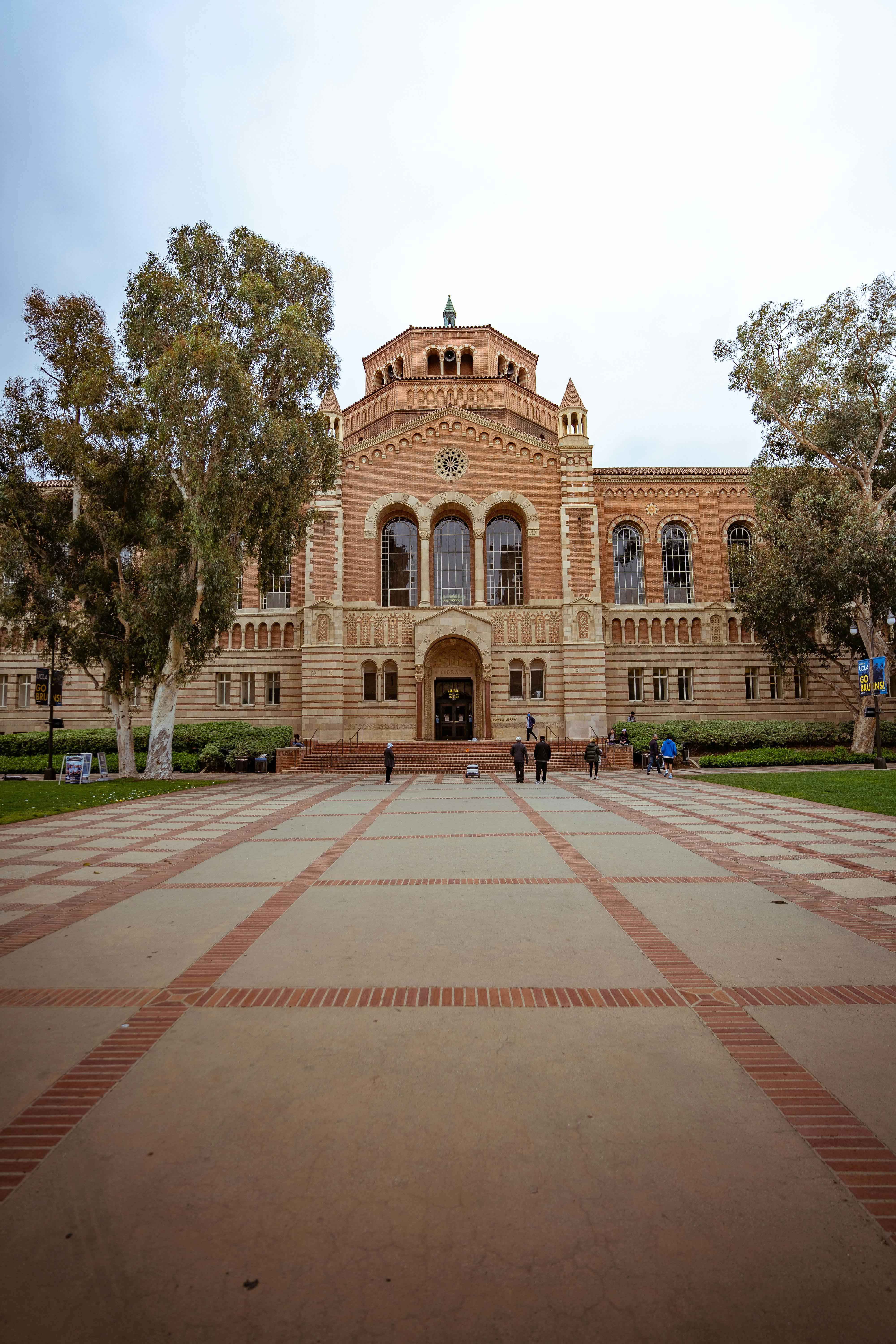
Los Angeles, United States – October 4, 2014: Royce Hall on the campus of UCLA. Royce Hall is one of four original buildings on UCLA’s Westwood campus.
By Classifieds
Sept. 24o, 2025, 11:27a.m.
How are Businesses at UCLA Keeping Track of Employee Hours?
Universities pose specific challenges to employee hour tracking. From administrative staff to research assistants, current systems redefine how time is handled economically and reliably across a campus.
At UCLA, tracking employee hours is more challenging than in a general office. Several departments, nonstandard schedules and combinations of full-time, part-time and student workers result in a high potential for mistakes. Departing from paper methods to electronic ones has become critical to workforce efficiency and worker satisfaction. Accurately capturing time impacts payroll, resource planning, compliance, and worker morale.
From Paper Sheets to Electronic Recording
Traditionally, departments used paper timesheets or simplified spreadsheets to capture employee hours. These approaches frequently included errors. Incorrect punches and forgotten breaks occurred often. Manual systems are labor-intensive. Also, payroll processing is slowed. Staff and managers typically spent hours sorting out mistakes. That caused irritation and delayed pay. Digitising attendance helps departments minimise errors and get real-time insight into workforce activity.
State-of-the-art platforms auto-calculate, alert to inconsistencies and accurately record attendance. As a manager, you can spend more time planning and less time entering data. That transition is particularly important in a campus setting with multiple offices and varying schedules. Also, electronic systems provide instant access to attendance history. That helps departments resolve disputes quickly or check compliance without digging through paperwork.
Function of Time and Attendance Systems at UCLA
Digital time and attendance systems are now at the core of efficiently managing staff and faculty working hours. Software simplifies the gathering of time data. Software minimizes mistakes and is compatible with payroll systems. Platforms incorporating Factorial
style functionality bring multiple tasks—such as tracking, approvals, and report writing—together in one streamlined system. At the heart of this setup is an employee hours calculator, a straightforward yet powerful tool This platform minimizes manual labor and avoids overtime without approval. Staff and student help are accurately and promptly paid.
This boosts trust and satisfaction. Departments also receive labor trend information, peak workload days and gaps in staff coverage. These enable you to make better decisions. More efficient allocation of resources is possible. Up-to-date systems are also compatible with tracking of remote and flexible work. This is more critical in the modern academic setting. Analytics from attendance systems are also utilized by some departments to plan ahead for staff needs, so workload is balanced and overtime is kept to a minimum.
Why Accuracy is Important in a Campus Context
Inaccurate timekeeping has essential financial and operating ramifications. Payroll mistakes may result in staff overpayment and underpayment and non-compliance. Research assistants and grant funding sources necessitate accurate documentation of working hours. Admin, faculty and student staff rely on accurate records to receive payment. Accuracy is also essential in ensuring that departments do not incur the expense of an audit. It keeps accountability in place.
Even slight mistakes, when multiplied by a couple of hundred staff members and a handful of departments, can significantly affect budgets and staff morale. Accurate recording ensures equity. It keeps staff motivated and assured of the process. Moreover, departments can factor precise information to determine trends, such as busy periods of workload and staff shortages. It helps in proactively planning schedules and minimizing last-minute changes that can cause disruptions.
Weighing Compliance with Flexibility
UCLA has to work through a challenging regulatory landscape. Federal labor laws, union contracts and university policies dictate how time is documented and reported. Meanwhile, departments need to be flexible to contend with the schedules of students, research studies and fluctuating workloads. Systems to track time now enable departments to regulate according to laws while showing agility to deal with one-of-a-kind campus circumstances. Reminder and notification features allow you to authorize hours without delay.
Electronic documents also enable a consistent audit trail to support compliance. The outcome combines strict rule compliance and working freedom to help fuel output. Departments can safeguard employees and the institution. Departments can sustain business continuity simultaneously. It is more straightforward to address an unplanned absence and make staffing changes to contend with busy periods with accurate electronic documentation.
Smarter Workforce Management in Higher Education
As UCLA grows, departments are contemplating advanced workforce management strategies. Automatic scheduling, predictive labor and attendance features accessible by phone are becoming standard. Administrative workload is reduced and staff satisfaction is improved. Visibility is also enhanced. Merging data into one system helps managers make informed staffing decisions. Managers are better at allocating resources and ensuring compliance with university and federal policies.
Tedious administration is no longer central to the work but is instead strategic workforce planning. Implementing technology is efficient and helps foster a campus culture of fairness, accountability and accurate record-keeping. Technology can also give staff more access to their own schedule and hours, which can help them better balance work and life and plan around academic or other activities. This has to be a good thing and should create an opportunity for professors and academics to spend more time with their students.
Tracking employee hours at UCLA represents the problem of big, heterogeneous organizations. Laborious manual methods are slow and prone to mistakes. New computerized technologies are accurate, compliant, and flexible. Departments implement integrated time and attendance systems so payroll is simplified, overtime is averted and compensation is paid to the right person on time. More accurate and timely data are readily available to you and your staff. Communication is improved. Administrative stress is reduced. There is more time to focus on the core business, teaching the leaders of tomorrow.