Opinion: Identity is nuanced. Embrace the word ‘and’ in defining yours
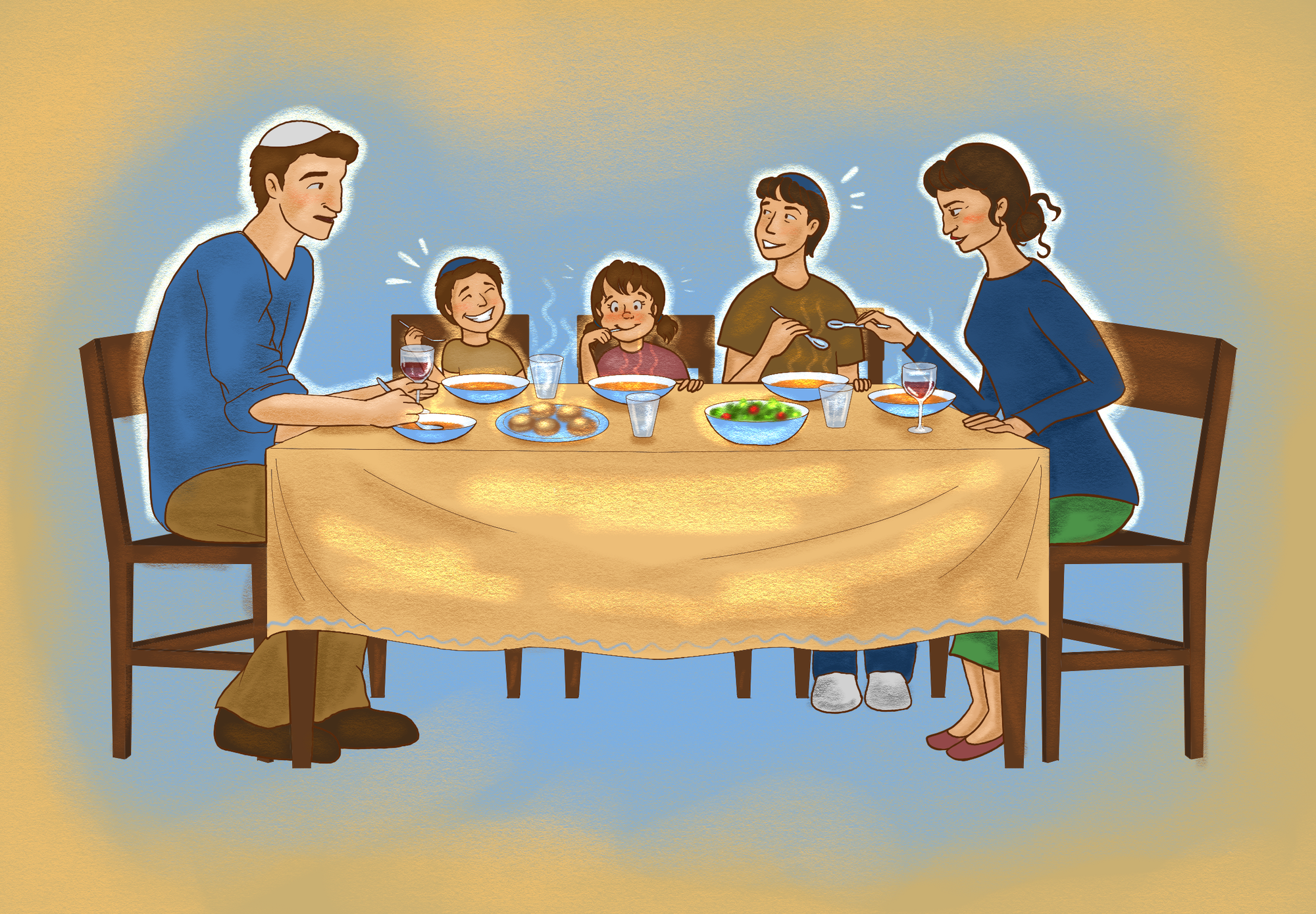
(Desiree Gonzalez/Daily Bruin staff)

By Sierra Benayon-Abraham
Sept. 5, 2025 3:05 p.m.
This post was updated Sept. 30 at 10:27 p.m.
For my whole life, I have been trying to discover the true meaning of the word “and.”
Is it possible to pursue a major in public health and want to go to law school? Will others understand when I say I have a home in Toronto and Los Angeles? Do my passions as a long-distance runner and guitarist contradict each other? Can my Jewish heritage truly be described as half-Ashkenazi and half-Sephardic?
The short answer is yes – it can. But to hear the long answer, you’ll have to keep reading.
Identity is nuanced, can fluctuate and has the ability to inspire.
We must not fear identity but rather embrace all the beautiful potential that comes with it.
I was raised in a large Jewish family, my father possessing Ashkenazi roots and my mother being of Sephardic heritage. Ashkenazi Jews are typically from Central and Eastern Europe, while Sephardic Jews are those with ancestral communities in Spain, Portugal, the Middle East and North Africa. With grandparents from Romania and Morocco, the traditions and customs I grew up with were fairly distinct, depending on if I was with the Ashkenazi or Sephardic side of my family.
Nonetheless, all throughout my upbringing, I experienced family through Judaic customs, thought-provoking conversations, 15 cousins whom I consider my most trusted confidants, abundant home-cooked meals and shoulders to lean on.
Our Shabbat dinners are animated, to say the least.
Every Friday evening growing up, my 31-member family would gather to celebrate the end of another successful week and to enjoy a day of rest. I would arrive to the smell of challah wafting through the air, the squeals of 12 younger cousins sprinting to greet me and the Jewish chants booming from our abuelo’s deep voice.
Beyond the delicious food and lively music, there is my family: a diverse collection of people ranging in ages, nationalities, primary languages and interests but united in faith and love. They bring me a unique sense of pride, wonder and comfort.
For example, my 94-year-old great-grandmother will teach me that it is possible to possess resilience and grit without losing a sense of warmth or love, while my 10-year-old cousin will inform me that although I can’t avoid growing up, I can always remain a kid at heart – all in the same evening.
As I grew older, however, I found myself mediating an internal battle when trying to define my Jewish identity. At 11, I was confused when my Ashkenazi friends were not allowed to eat rice on Passover, but my Sephardic family was. At 13, I was asked if I would sing my bat mitzvah portion in a Sephardic or Ashkenazi tune. At 16, I was conflicted when making the decision on whether to join a Sephardic or Ashkenazi synagogue.
By the time I reached 18, I was utterly lost when people asked me what type of Jew I was. Having grown up being told I was both, I suddenly felt like that was no longer an adequate answer. Even though Ashkenazi and Sephardic Jews share many values, their distinct traditions make a dual identity complicated to define.
But after months of personal reflection, I finally partook in a Shabbat dinner discussion where I came to important conclusion: There is not, and never will be, solely one answer to complex questions regarding identity.
This personal growth and reflection taught me that the best way to approach a challenge is to equip yourself with questions and words in order to facilitate the thoughtful discussion critical for development.
Consistently asking why, even when an answer may not exist, fuels a love of learning about ourselves and others. It is these complexities within us that make each of us so special.
I encourage everyone to make a list of all the ways in which they identify. This list can be long, quirky, personal and fluctuating – I know mine sure is.
Nonetheless, when I ponder all the ways in which I identify, one particular word stands out.
That word is “and.”