






IN THE NEWS:

Gallery: Día de los Muertos on Olvera Street
By Daily Bruin Staff
Nov. 1, 2017 2:23 p.m.
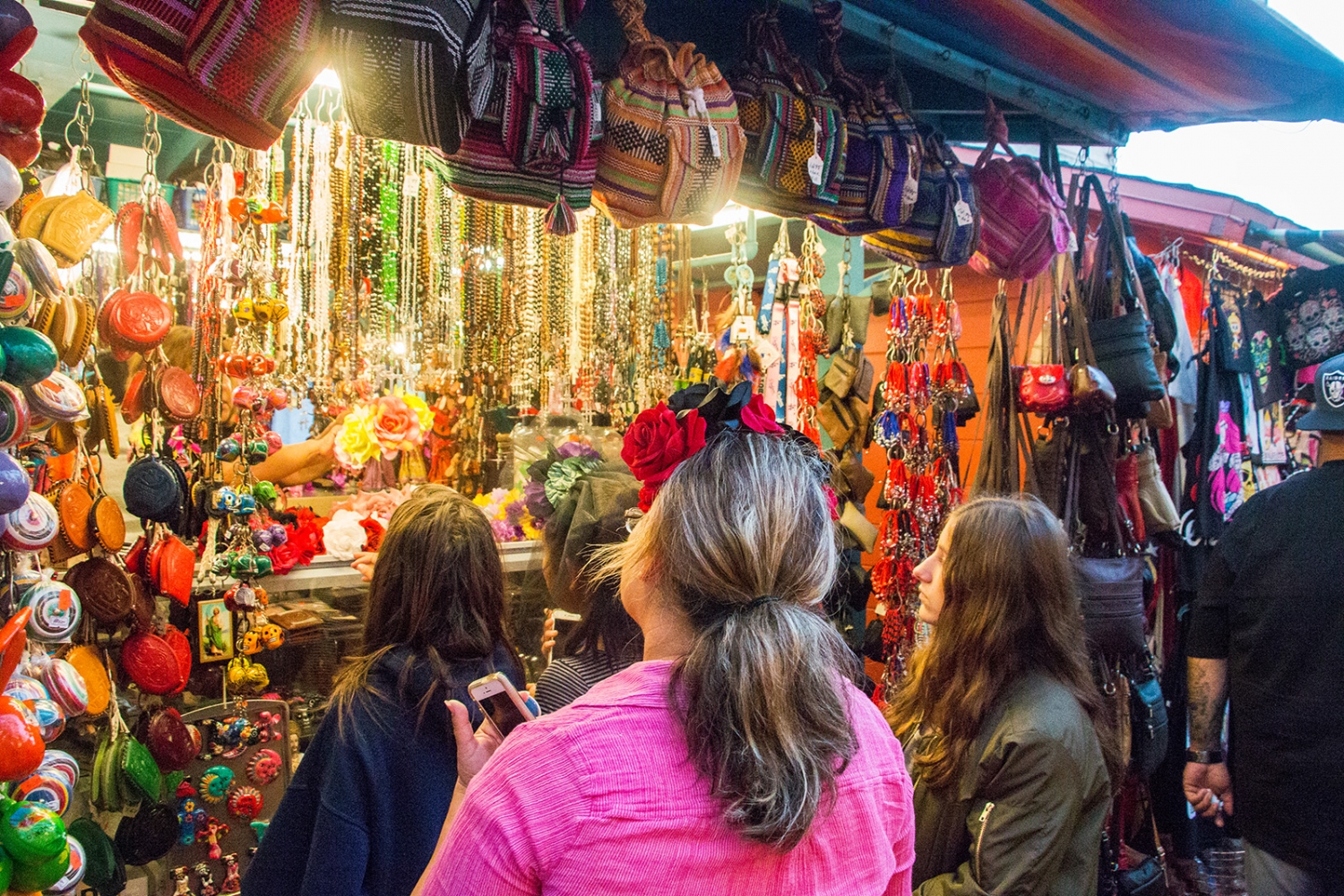
Year round, Olvera Street serves as a Mexican marketplace. However, during nine days each fall, the street hosts a Día de los Muertos festival in which visitors can shop from vendors, watch performances and celebrate the lives of their lost loved ones.
(Laura Uzes/Daily Bruin)
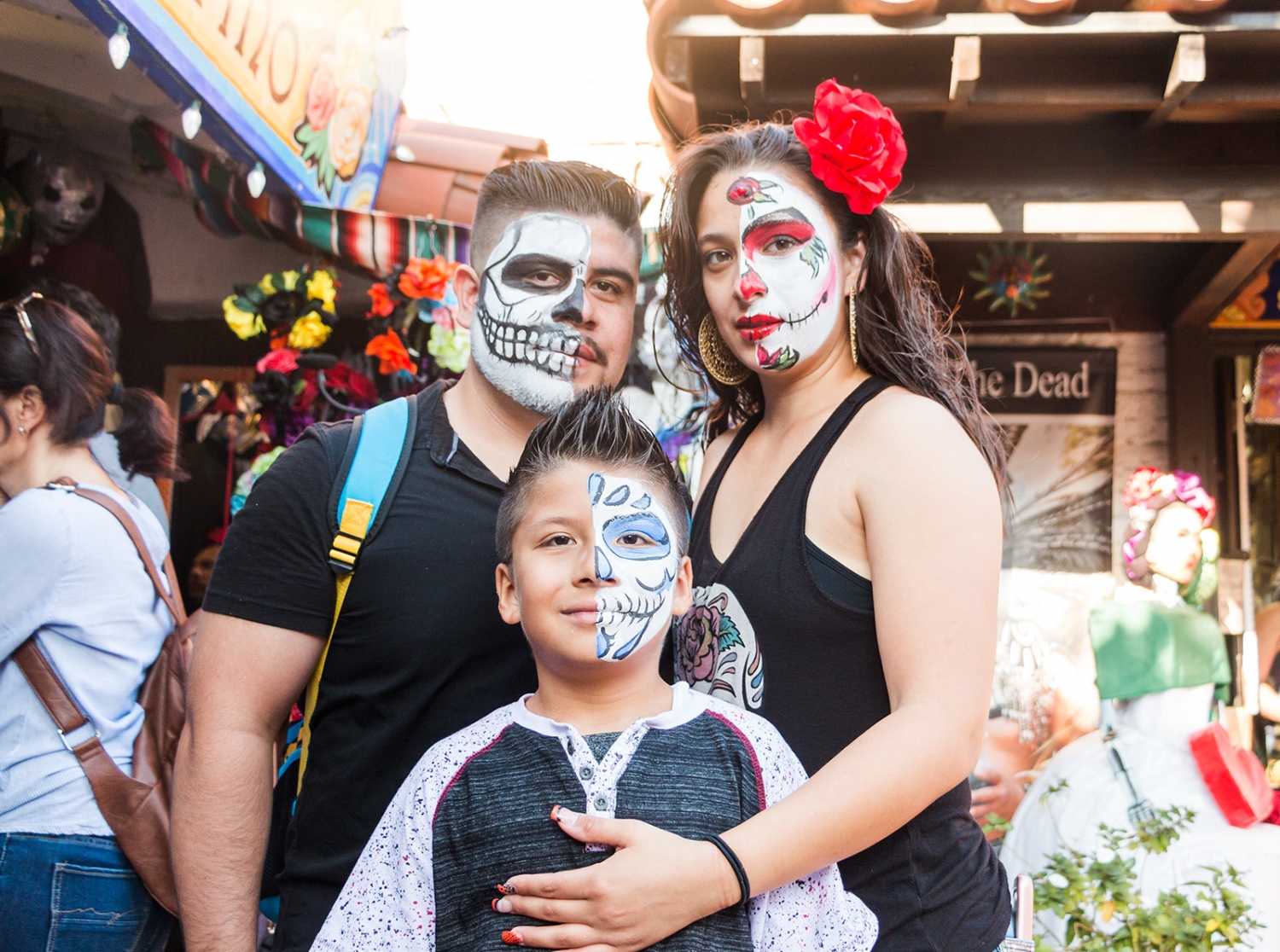
Marisol Escuadra and her family had their faces painted by an artist on Olvera Street. They each had only half of their faces painted as skulls, juxtaposing life and death.
(Laura Uzes/Daily Bruin)
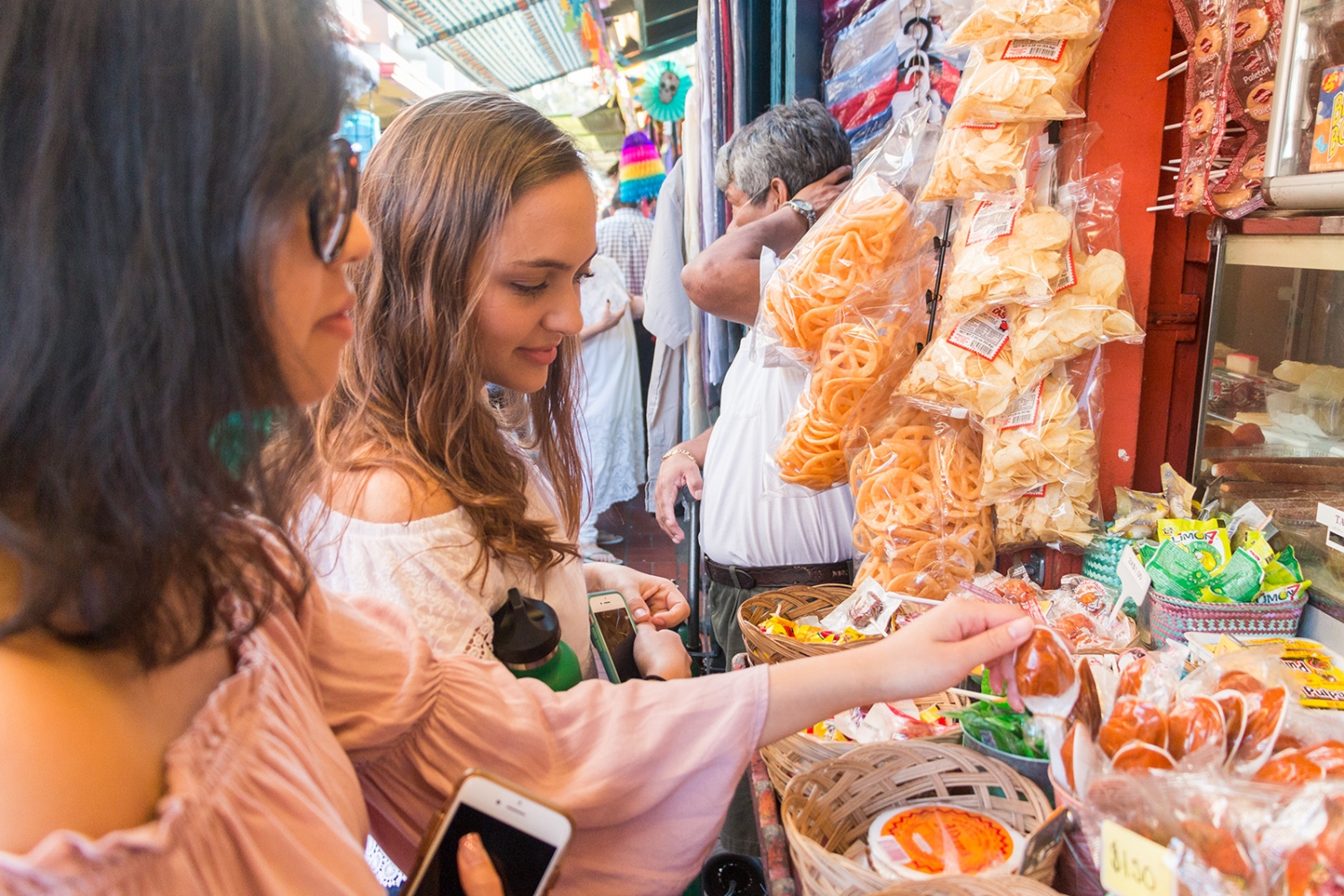
Third-year human biology and society student Tra-Mi Bao and third-year biology student Dorin Coffler look at different Mexican candies for sale at a street vendor on Olvera Street during its annual Día de los Muertos festival.
(Laura Uzes/Daily Bruin)
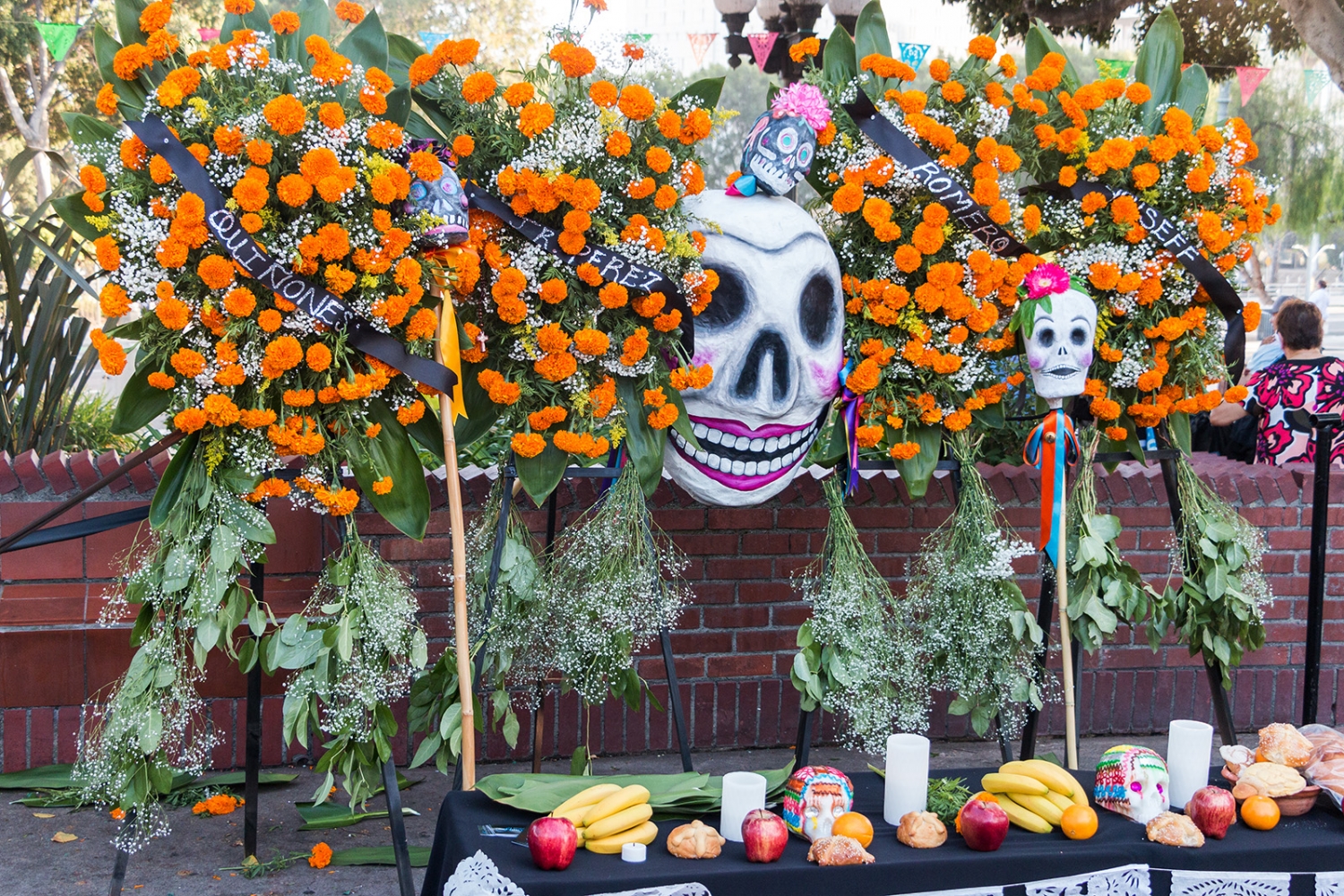
Día de los Muertos altars typically have three levels, combining Catholic and indigenous cultures. These altars feature objects and images directly from lives of the deceased such as their favorite foods.
(Laura Uzes/Daily Bruin)
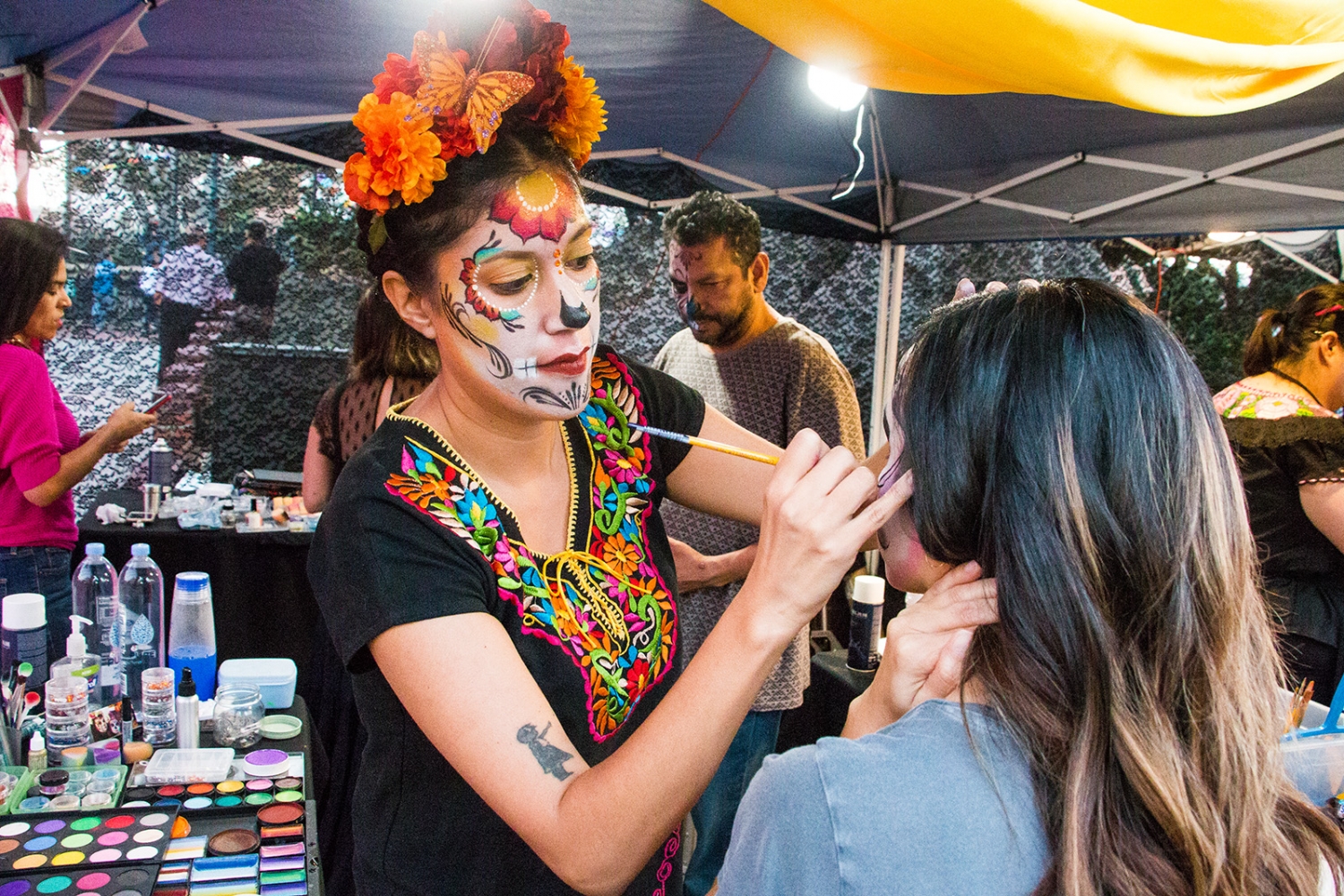
Suzy Quino paints Melissa Calderon’s face with a skull design. Face painting is a common activity at Día de los Muertos festivals. Designs typically include a mixture of Aztec and European symbolism.
(Laura Uzes/Daily Bruin)
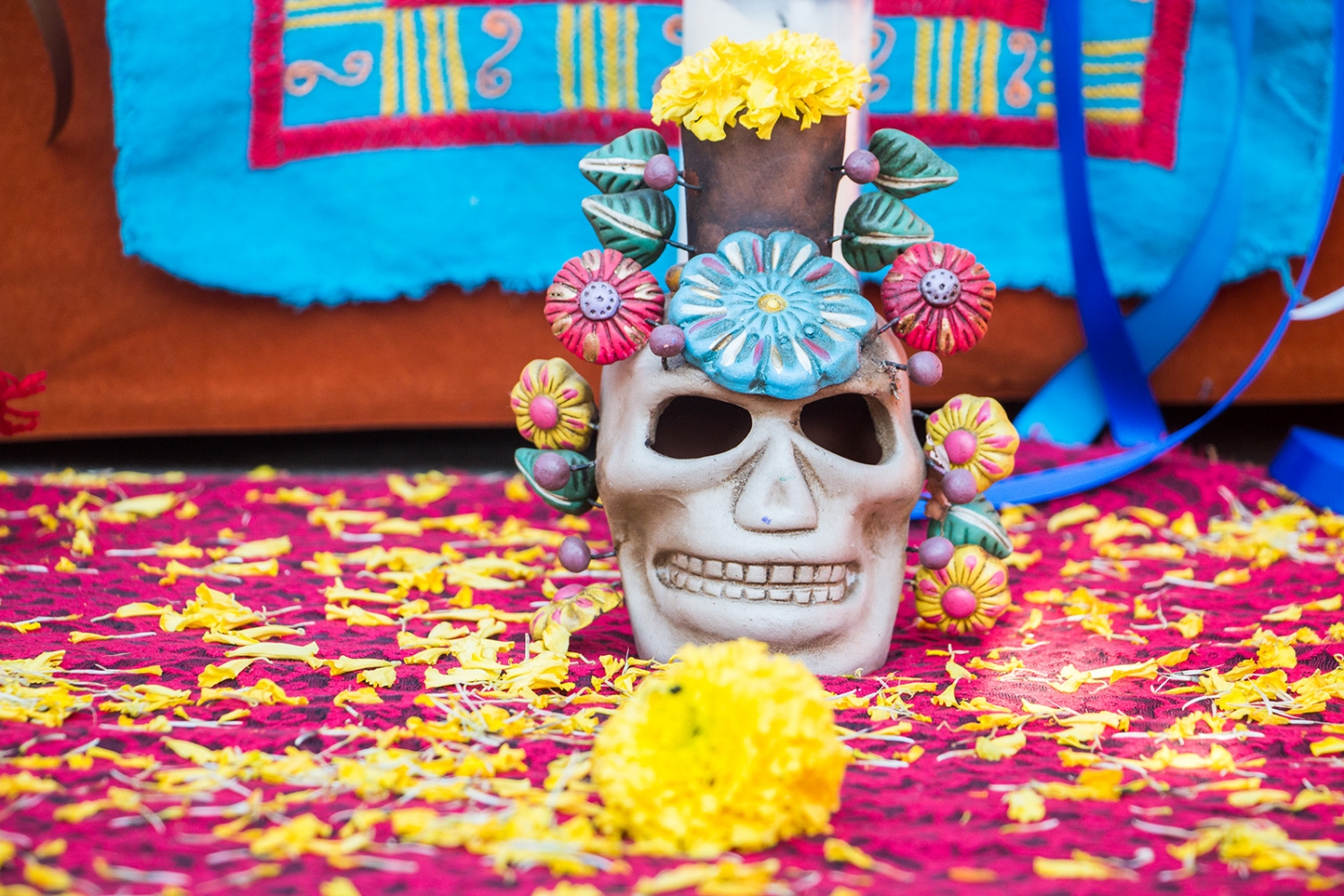
The top level of the altar symbolizes heaven and typically features religious objects depicting gods and saints. The middle level symbolizes earth and pays homage to a deceased family member or friend, featuring objects and images from the deceased's life. The lower level symbolizes the underworld and typically features images of skulls.
(Laura Uzes/Daily Bruin)
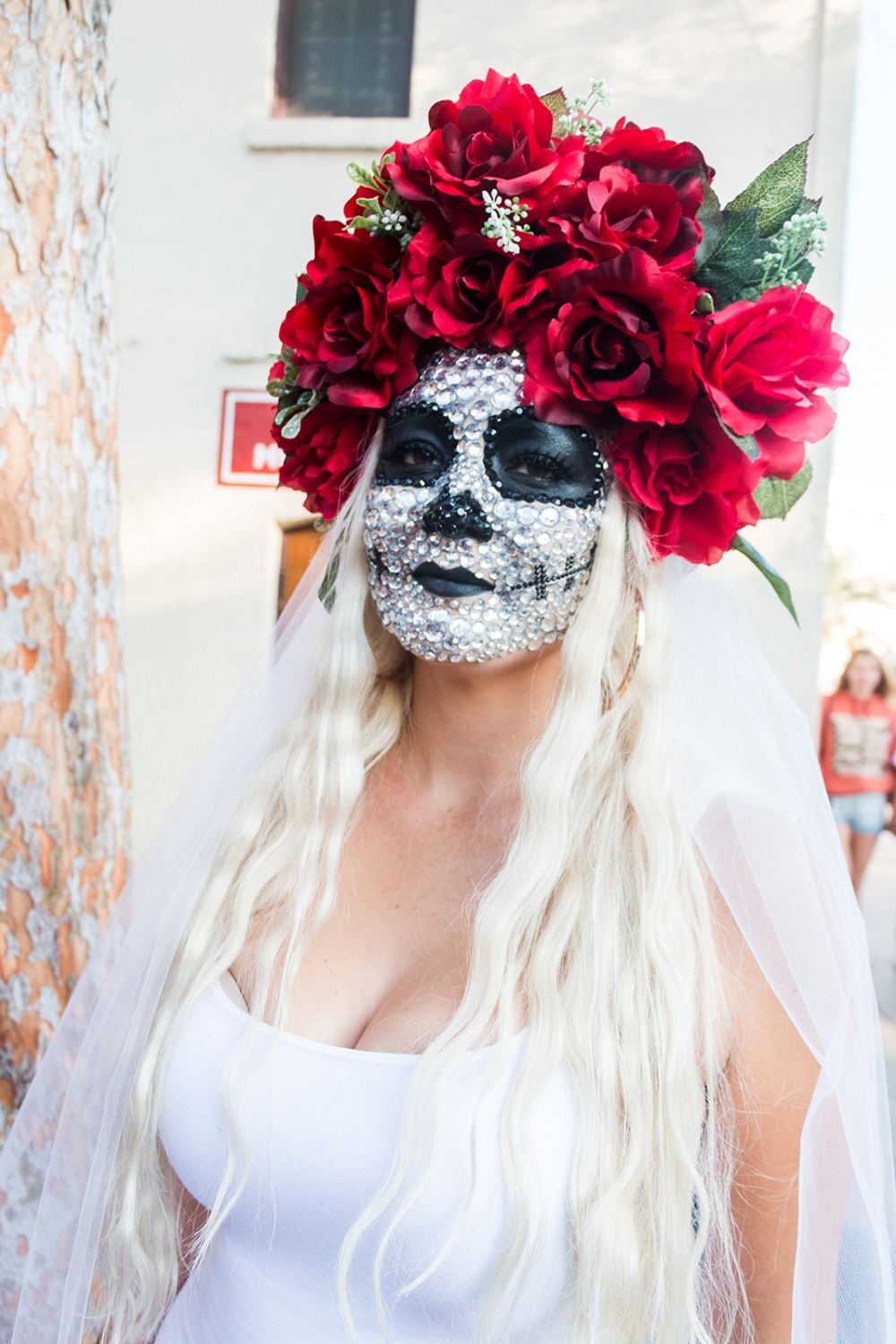
Liz Arriero placed individual jewels in intricate designs on her face.
(Laura Uzes/Daily Bruin)
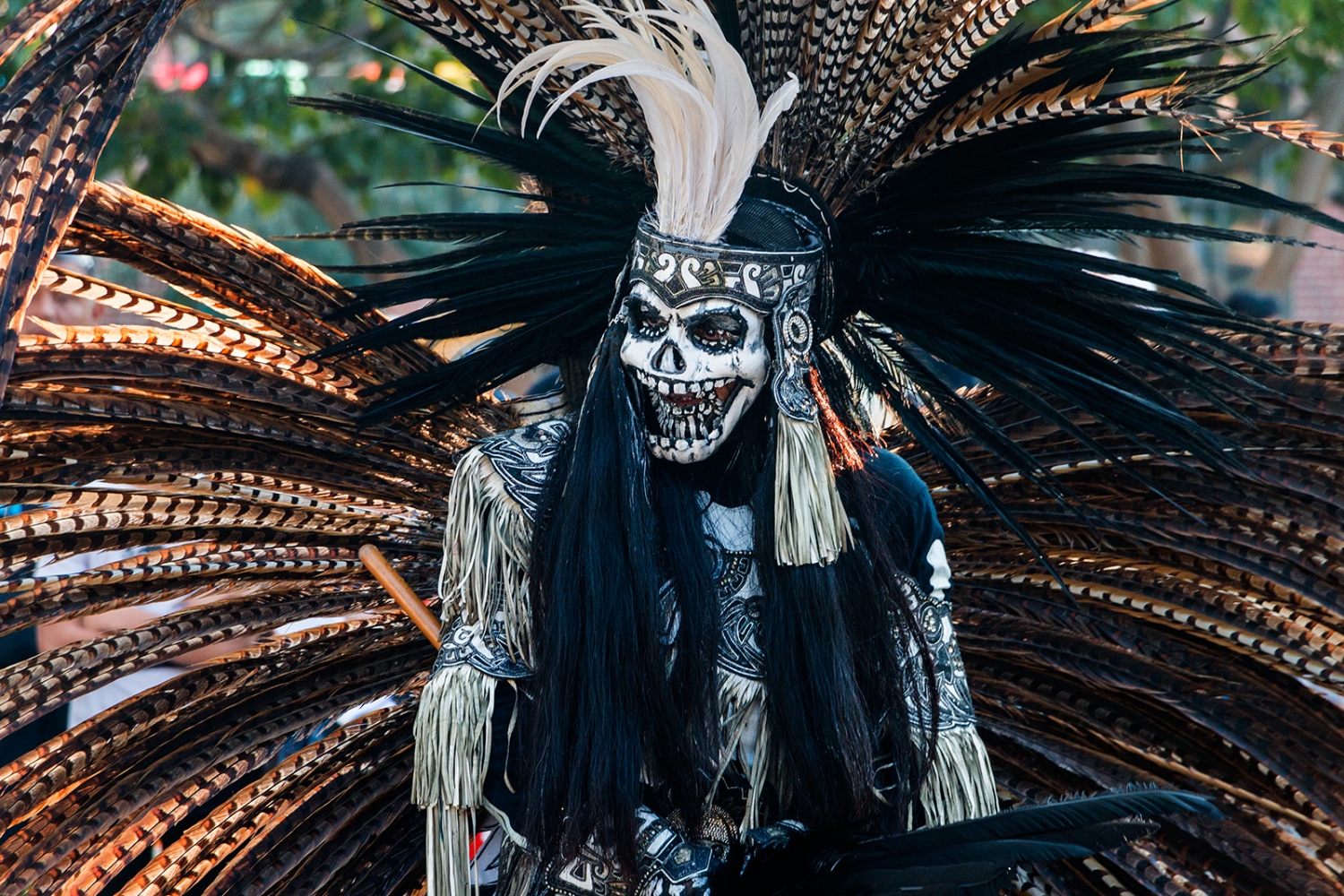
Every hour between 10 a.m. and 8 p.m. featured a performance in the main plaza. Such performances included exhibitions from Xipe Totec Aztec Dancers.
(Laura Uzes/Daily Bruin)
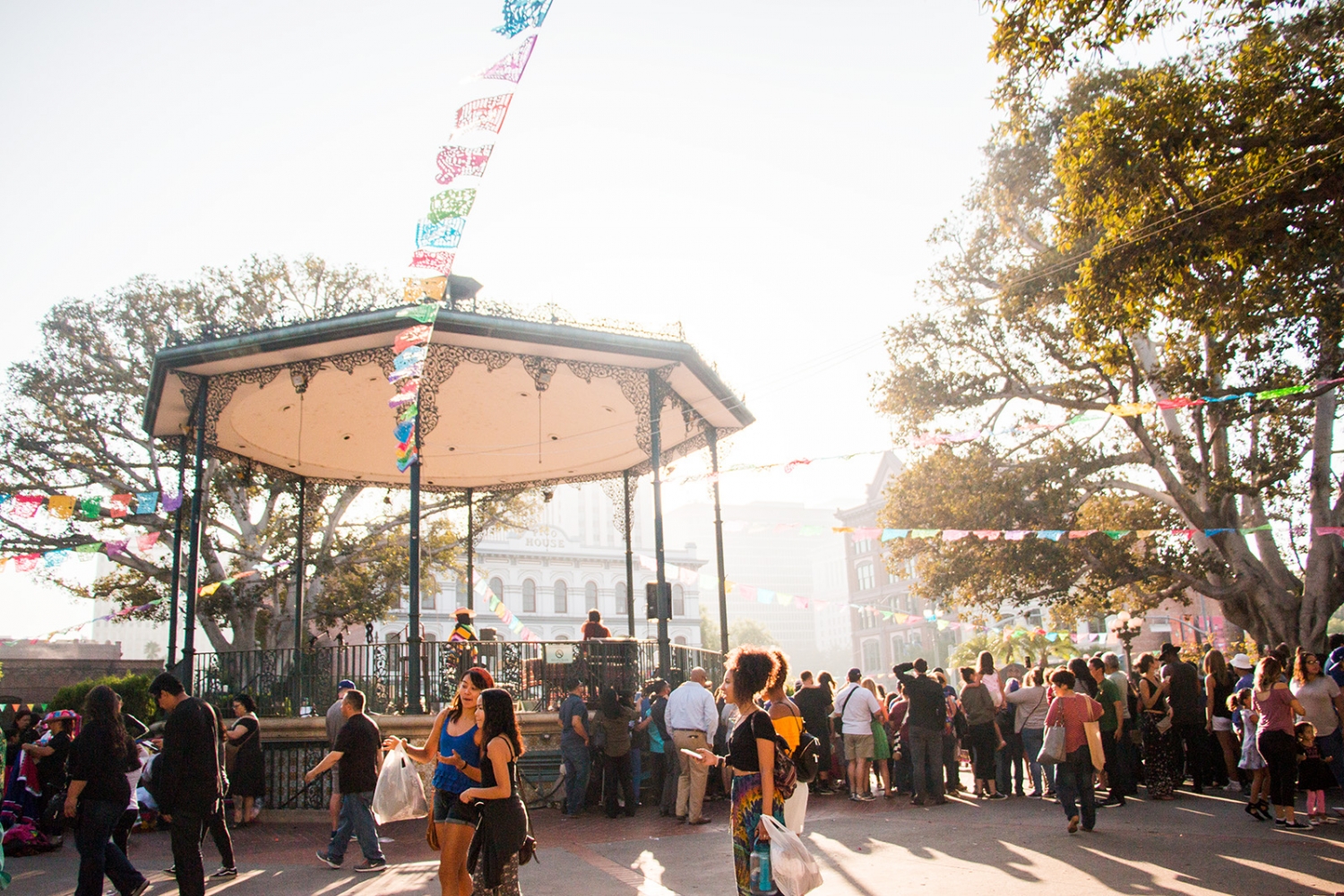
The center of Olvera Street during the festival provides a space in which visitors can witness cultural performances. Papel picado, or paper banners, with images of skeletons decorate the square.
(Laura Uzes/Daily Bruin)
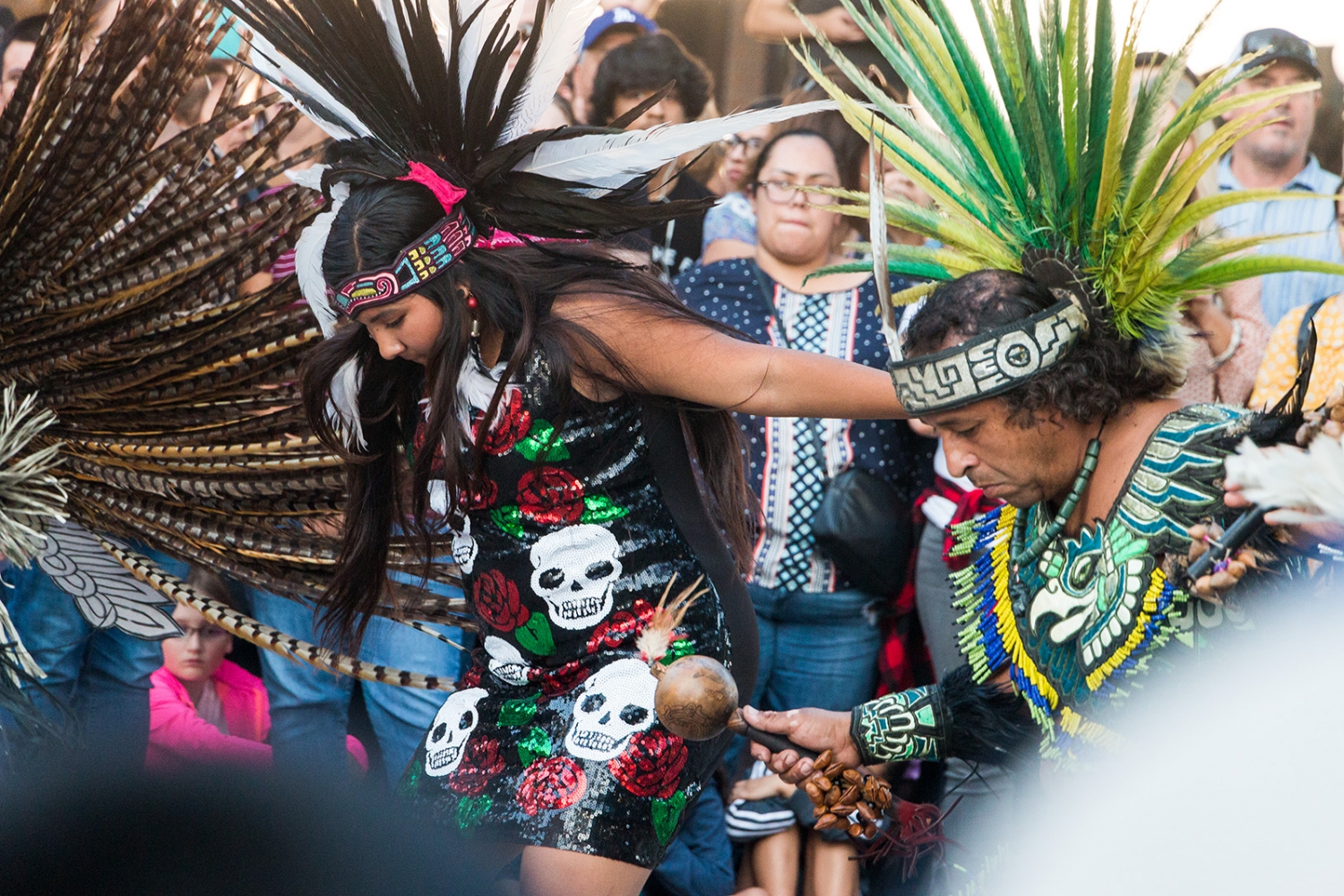
Visitors gathered to watch performers dance to drums while wearing elaborate costumes featuring feathers and skull designs.
(Laura Uzes/Daily Bruin)
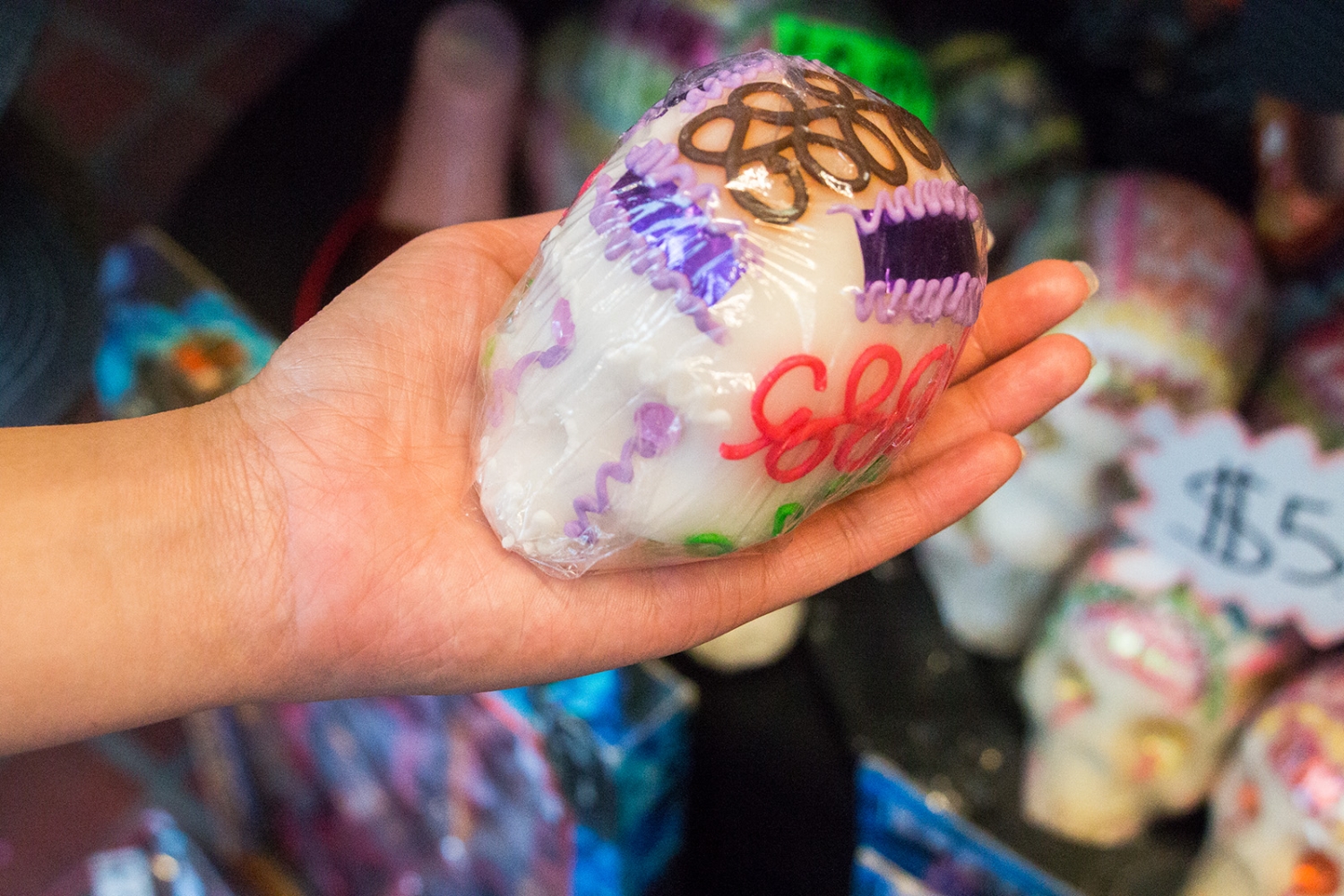
Sugar skulls are a staple in many Día de los Muertos traditions. Made from pure sugar, these skulls are decorated with bright colors and are used to decorate graves.
(Laura Uzes/Daily Bruin)
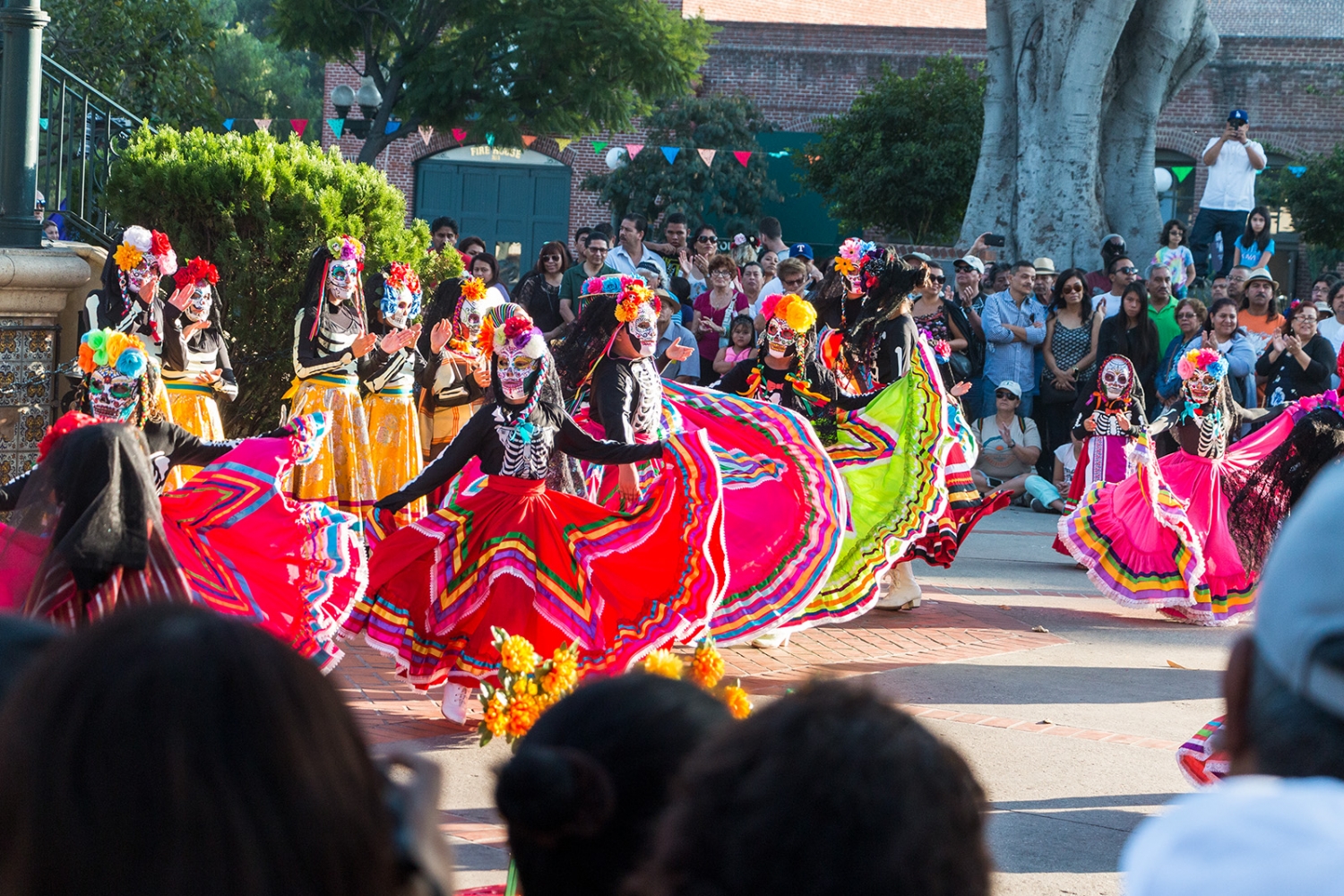
Schoolchildren performed in the main plaza to a large audience. After the performance, each child introduced themselves to the audience in Spanish.
(Laura Uzes/Daily Bruin)
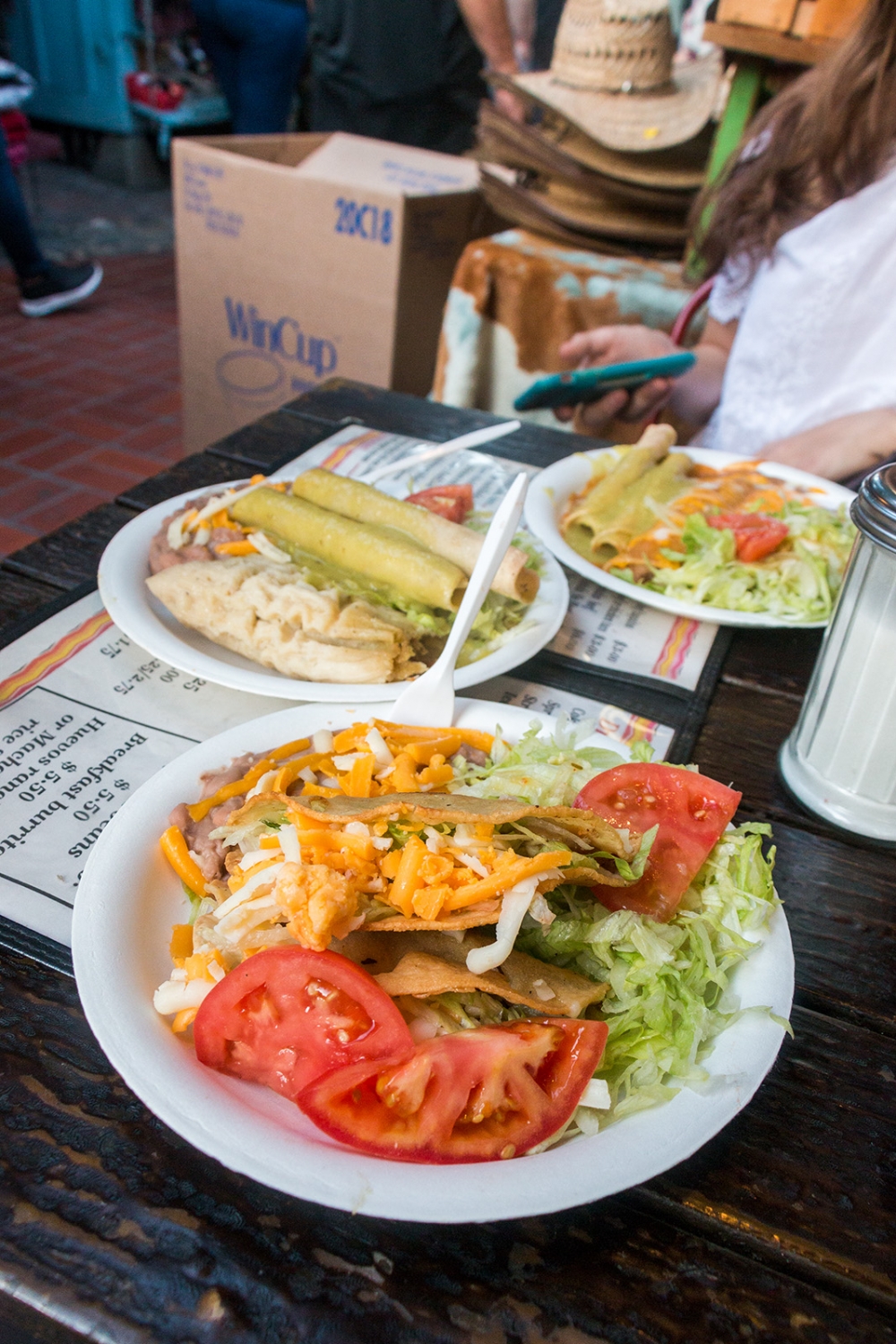
Attendees of the festival had many choices when it came to food. Vendors sold classic Mexican foods such as tacos, enchiladas and churros.
(Laura Uzes/Daily Bruin)
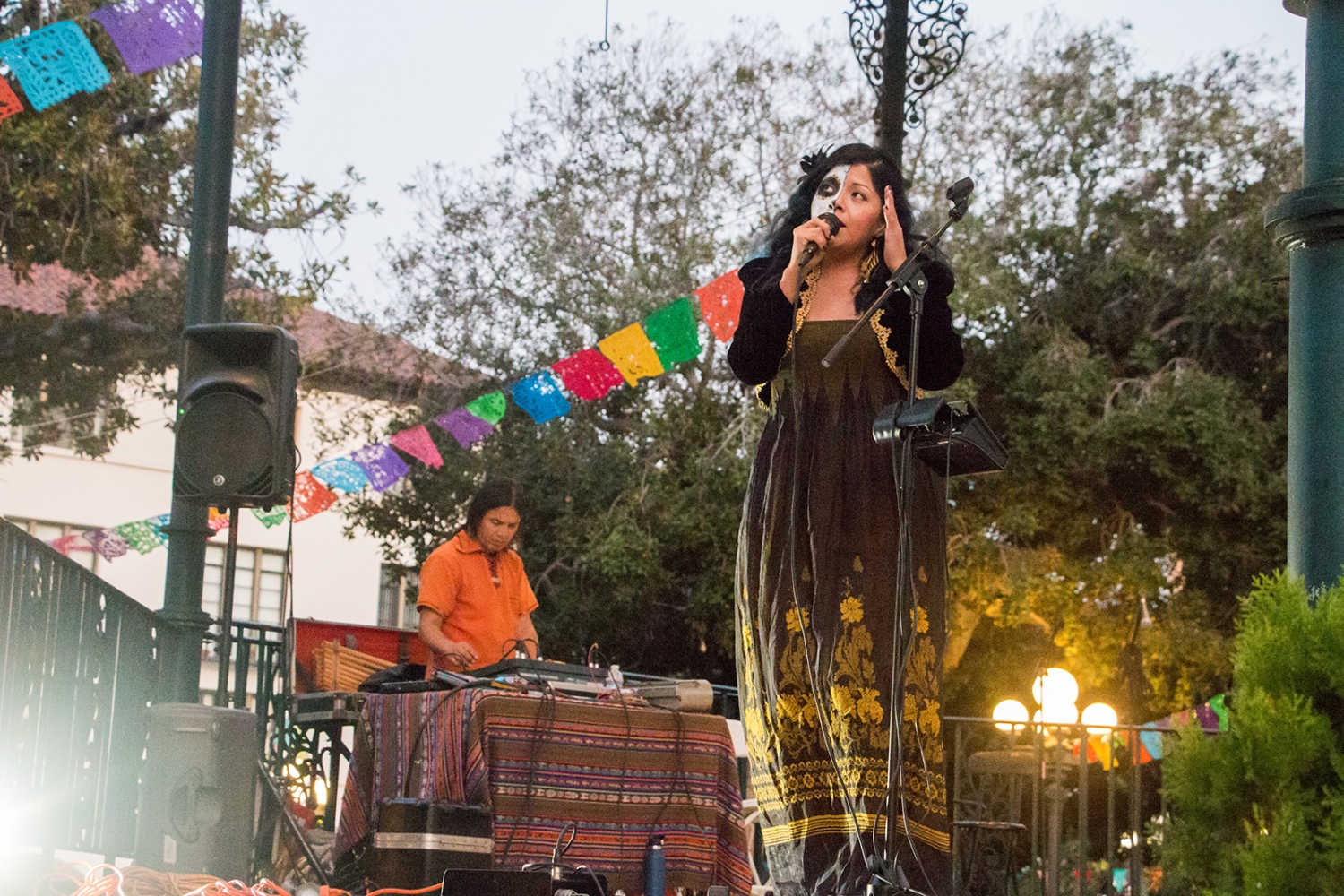
In addition to the dance performances, the festival also exhibited local singers and musicians.
(Laura Uzes/Daily Bruin)
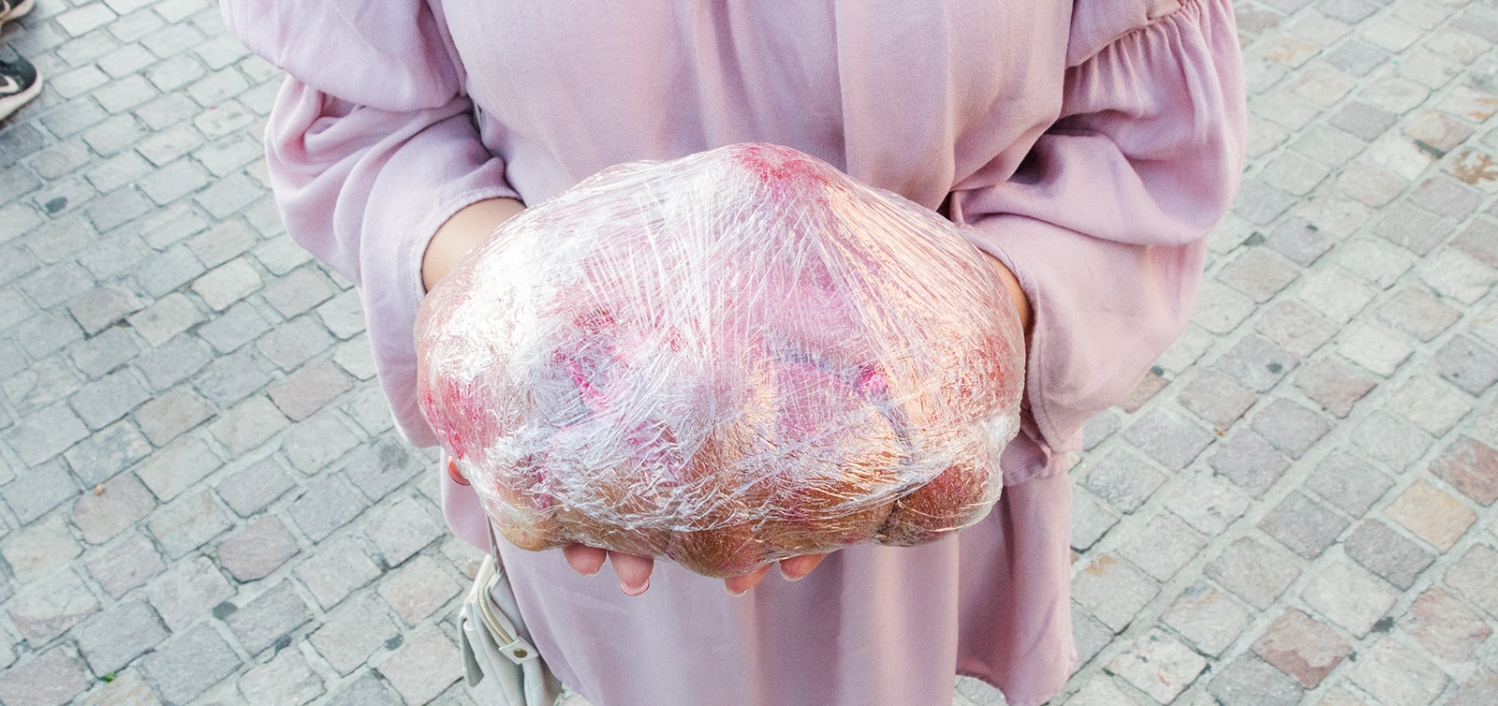
Vendors on Olvera Street also sold pan de muerto, bread for the dead, a sweet bread typically made during Día de los Muertos.


