






IN THE NEWS:

Gallery: Pushing past the glass
By Daily Bruin Staff
June 23, 2017 12:09 p.m.
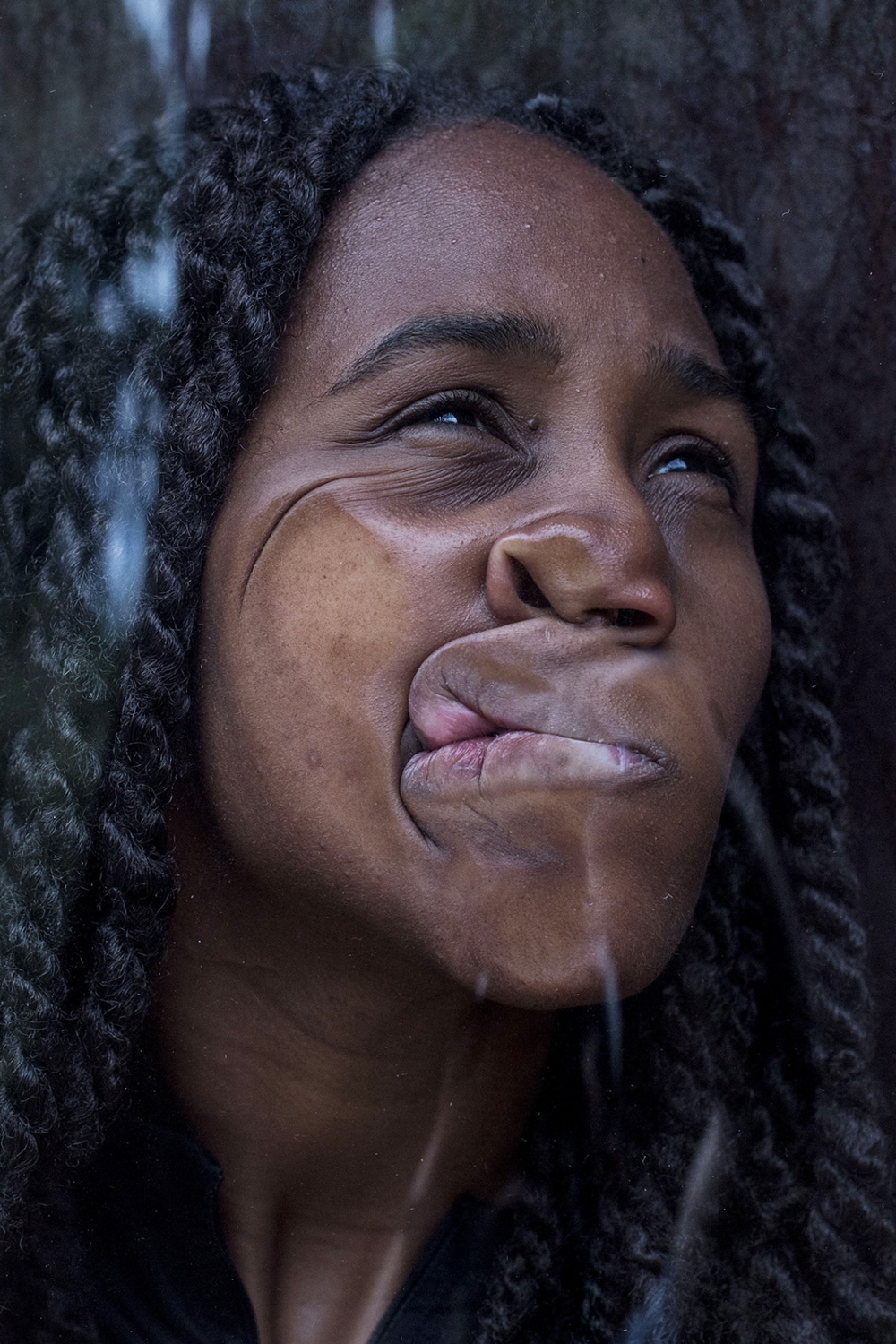
Nashay Small, from Inglewood, California, is a fourth-year psychology student and the first in her family to graduate from a four-year university. Small thinks societal barriers exist to promote the cycle of capitalism and power. ''Barriers can be very limiting on a person's future endeavors when (he or she faces) setback after setback due to systemized and racially oppressive systems. Some are felt more so than others,'' Small said. ''Is humanity strong enough to bring back individuality, acceptance, tolerance? Can we encourage each other to stop listening to the things that make us close ourselves off ... things that stop us from creating an authentic self, so that we can go out and actually make the world a better place?''
(Efren Piñon/Daily Bruin)
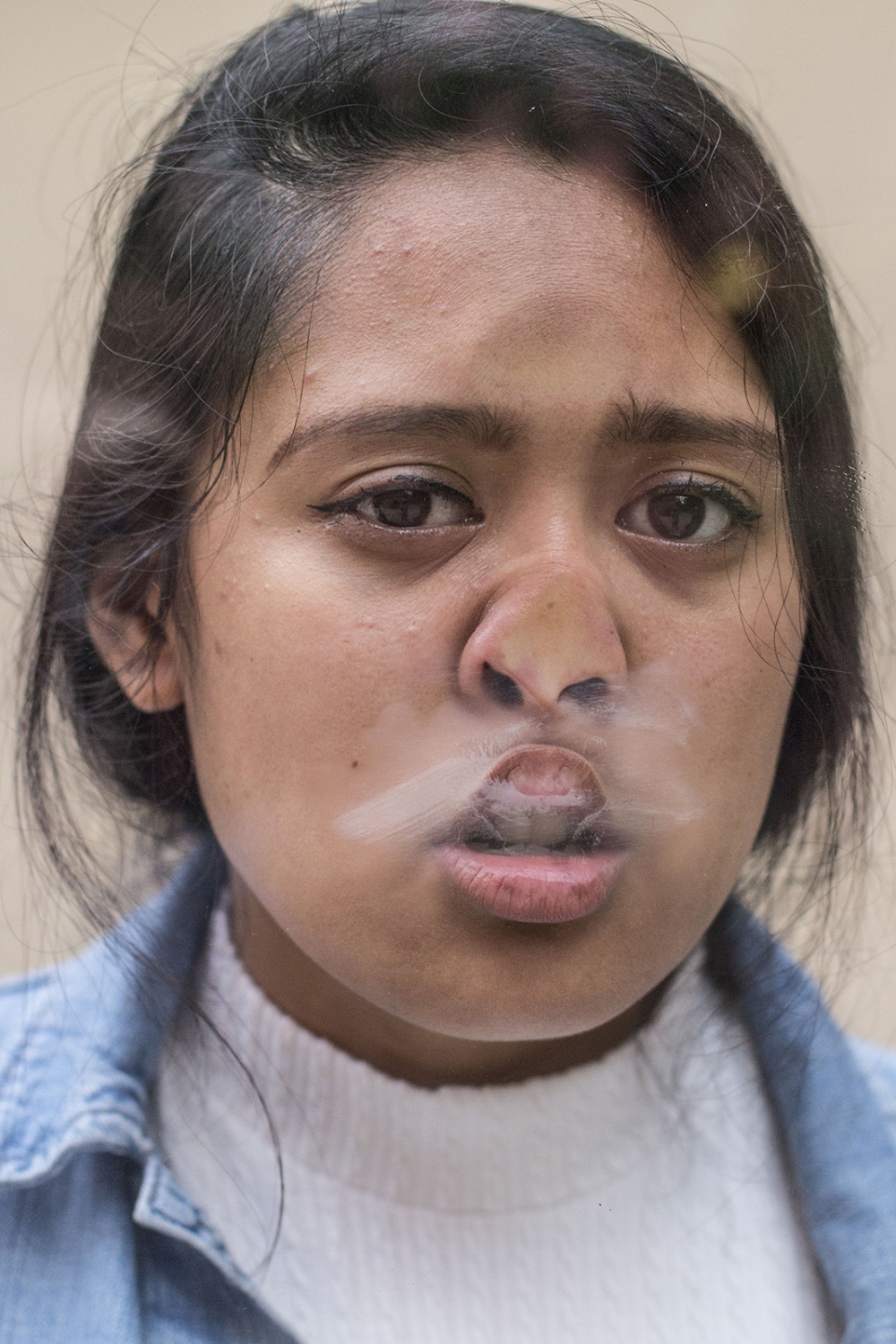
Maxine Vera Cruz, who was born in the Philippines and moved to the States when she was 7 years old, identifies as a ''one-and-a-half'' generation immigrant. The fourth-year physiological science student said she doesn’t know whether to identify as Filipino or Filipino-American. ''I struggled to maintain my roots in a country I barely remembered, and I could not plant my roots in this country, where I was unwanted because I was undocumented. Here at UCLA, where I struggled to keep up with my peers academically, I truly felt like this institution of excellence had no place for someone as mediocre as me. I realized that there are many institutional barriers that I must break down for my dreams and visions to become reality,'' Vera Cruz said. ''With the support of my friends who shared similar experiences, I grounded myself in my resilience and my desire to see my dreams come true. It was their stories, along with mine, that inspired me to keep fighting toward my goals. It was those who helped me get to UCLA who drove me to keep pursuing my dreams. I carry the pressure of being my family’s realization of our American Dream. My success is not my own. It is for my parents. It is for my community. So I continue to work for my dreams, and I will never stop for them.''
(Efren Piñon/Daily Bruin)
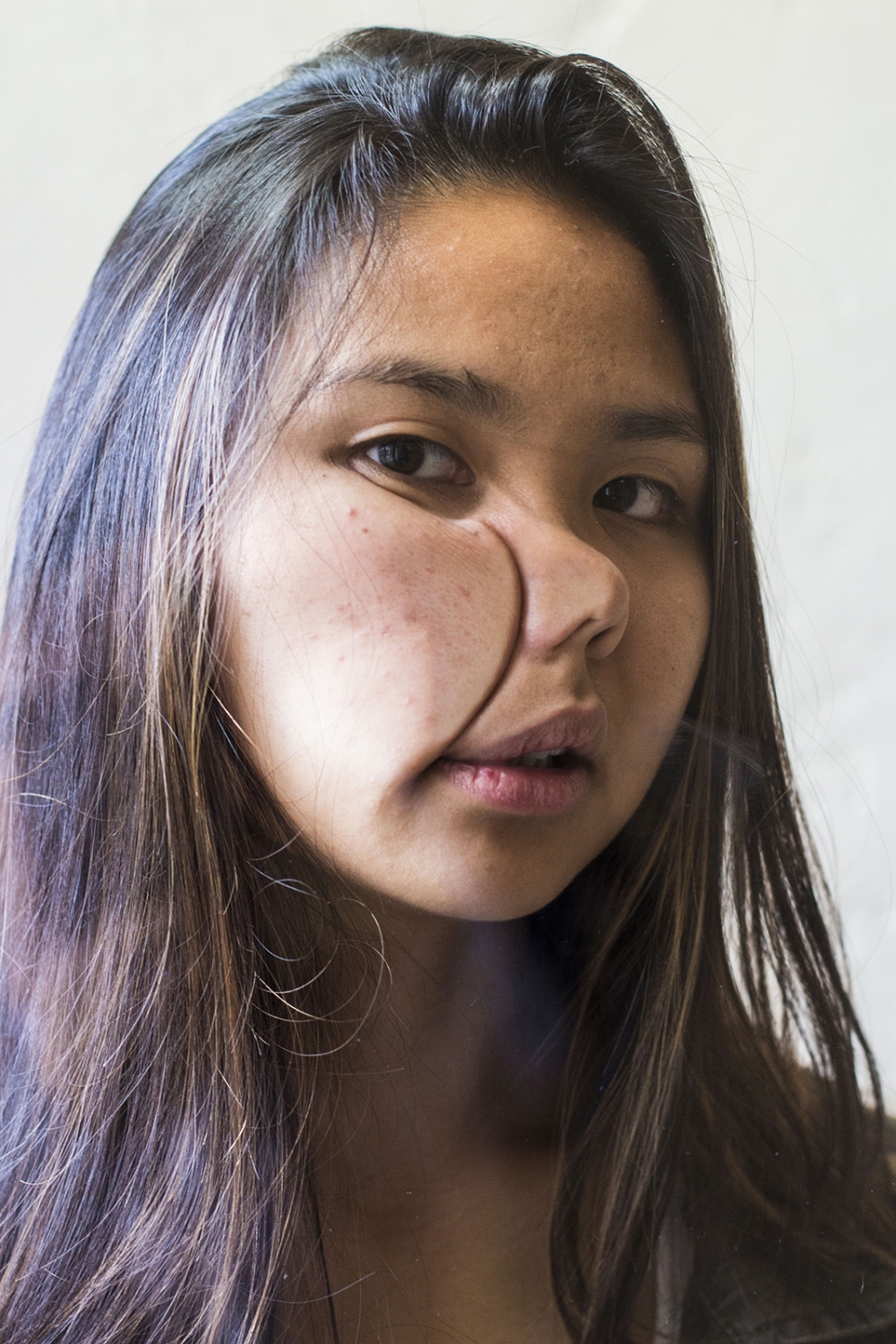
''Not all disabilities are visible. I have been interning as an educational coach for Pathway at UCLA Extension for two quarters now, where I work with adults with developmental/intellectual disabilities. Though mournful that my internship is coming to its end, I am immensely thankful for my students. They have taught me so much more about humans than I ever expected,'' said Claudine Louise Ignacio, a third-year psychobiology student. ''Before starting my internship, I immediately thought they were not as smart, not as able or not as capable as nondisabled individuals. At the time, I did not know I was committing what the disability studies calls ‘ableism,’ which is defined as discrimination against individuals with disabilities. I have learned, and am still learning, that my students are hardworking, intelligent and motivated individuals.''
(Efren Piñon/Daily Bruin)
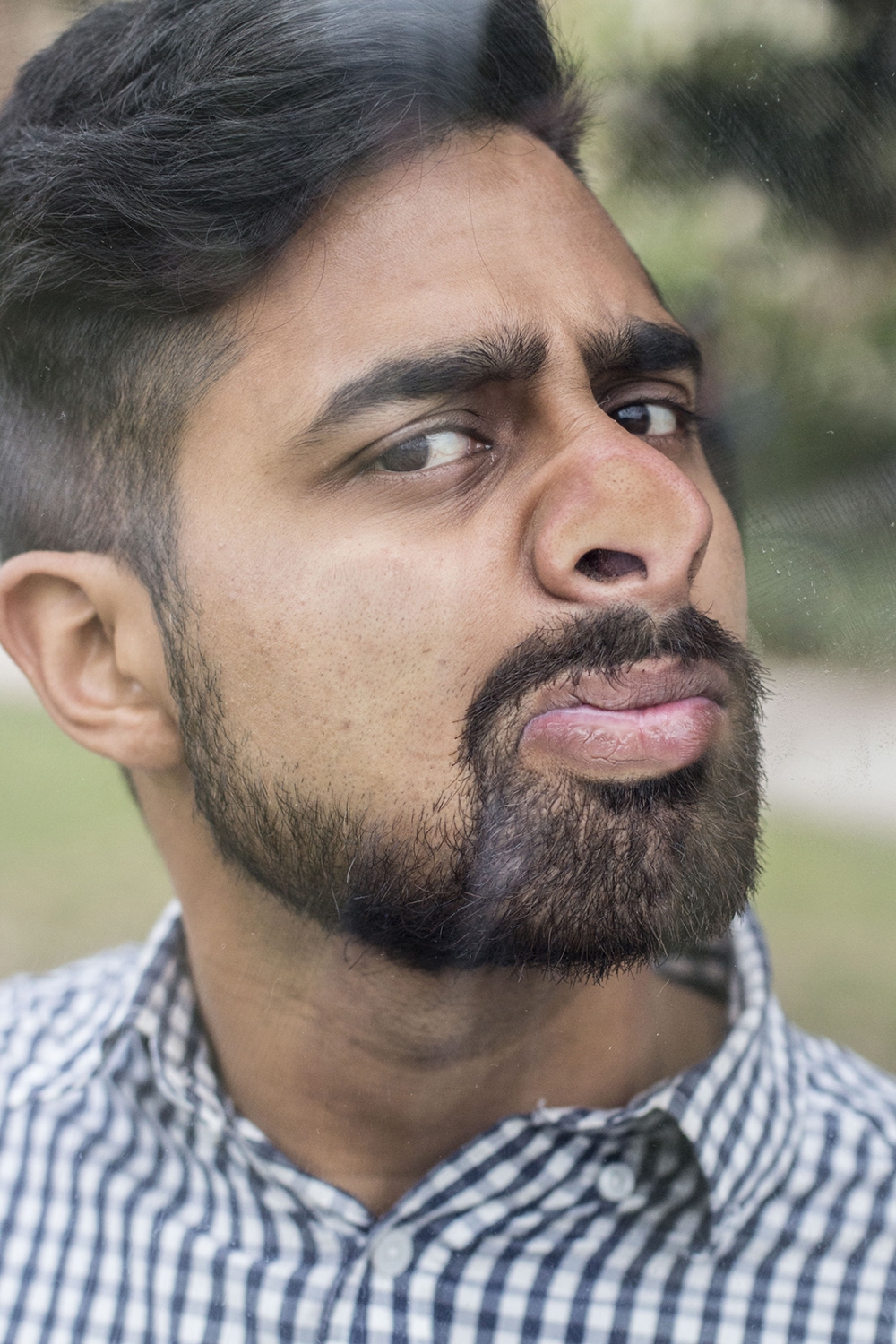
Inan Chowdhury, born in Chittagong, Bangladesh, came to America in 2000, before 9/11 happened. The fourth-year environmental science student recalls the ''Islamophobia'' when his family members would walk out in public. ''Islam has played a huge part in my life spiritually but also comes with social, political and even economic implications that make it difficult for my family to be treated equally in this country. We're blamed left and right for atrocities that happen around the world and continue being portrayed as savages and terrorists. We’re taken advantage of for our intellectual capital and then discriminated against, banned and ostracized,'' Chowdhury said. He also stated the walls that confine him are all imaginary. ''I'll never be broke, beaten, or broken like the walls that tried holding me back. I work through barriers by constantly questioning and pushing past them. It has also brought me closer to God, whose limitless potential has the ability to remove these barriers permanently. One of my favorite sayings goes, ‘Don't ask for a lighter load, pray for stronger shoulders.’ As a low-income immigrant and minority, I am forced to be resilient in the face of adversity. The more we succeed, the more cracks we put in these ceilings, the more people we have above them.''
(Efren Piñon/Daily Bruin)
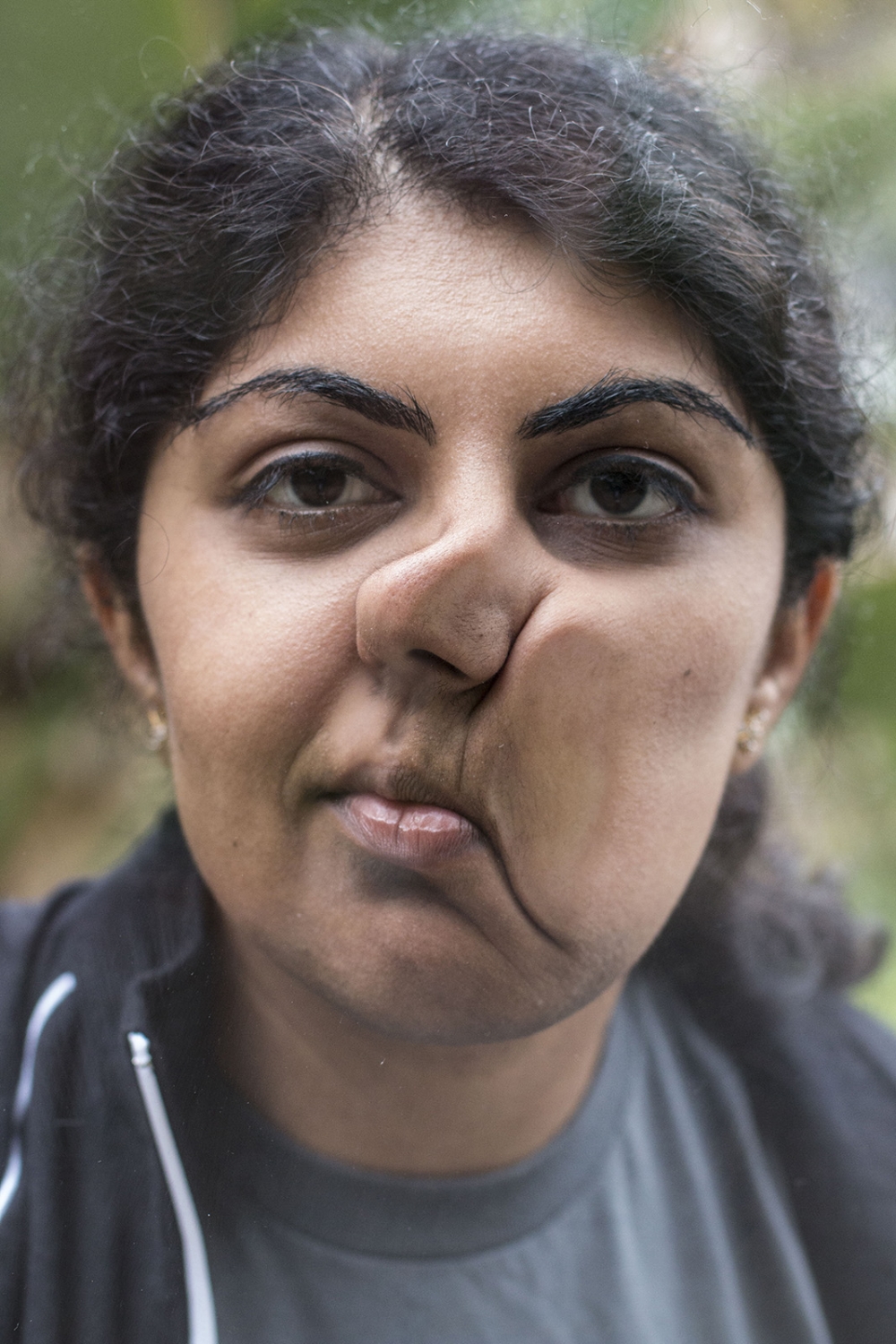
Sharon Grewal, a fourth-year computer science student, is the president of Association for Computing Machinery-Women, a group dedicated to building mentorships and support for computer science students. Grewal is trying to change the perception of women in technology. ''I want people to know that women belong in technology and there's a place for them there. In one of my earlier classes, I realized that I was one of two girls in a class of 40. It was really discouraging in the beginning, until I got female mentors. The best advice I've received from them is to stay in your lane and do what you have to do because no matter the struggle, you're going to have to do whatever it takes.''
(Efren Piñon/Daily Bruin)
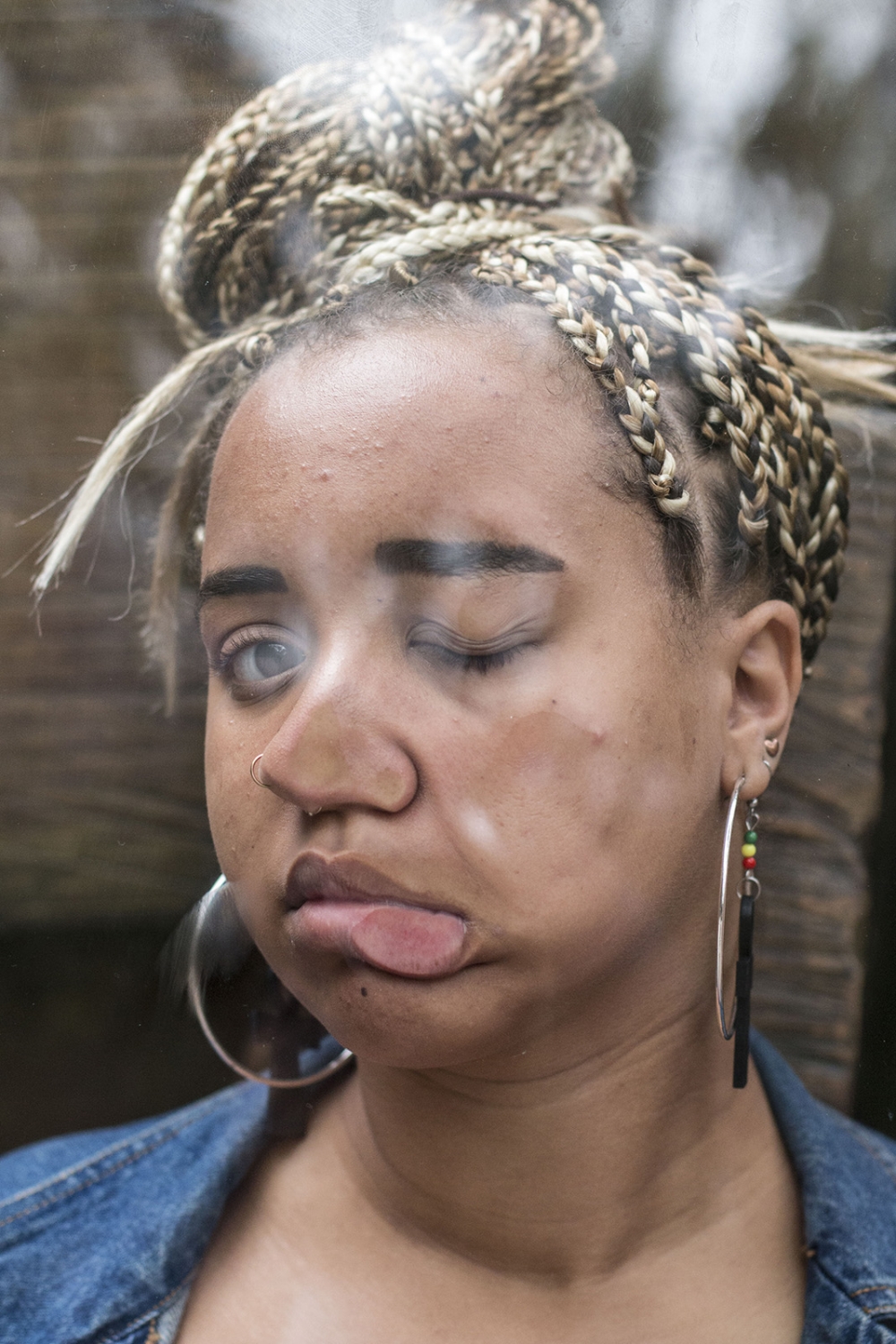
Graciela Barada, a second-year gender studies and African American studies student, said she has been inspired by black queer womanist poet and activist Audre Lorde, who wrote, ''Caring for myself is not self-indulgence, it is self-preservation, and that is an act of political warfare.'' Barada said she has learned the importance of resistance from her lived experience. ''As an Afro-Latina who suffers from three exhausting and disruptive forms of mental illness, my journeys of self-love and emotional balance often feel like uphill battles fought mainly against myself.'' Moreover, she stated that consciously entering spaces where she's assumed to be less capable and intelligent than her non-black peers is challenging dominant discourses about her gender, race and struggles with mental health. ''My experiences are only symptomatic of far greater societal issues: the stigma surrounding black mental health and a lack of mental health resources. The traumas of racial violence, discrimination, poverty and assault on black bodies and consequent mental illness are often overlooked when nationwide conversations about mental health take place. Striving to leave a mark on institutions that were not built for me, I validate, explore, and embrace my blackness, my womanhood and my mental illnesses because they are all undeniably parts of who I am, shaping me into the unapologetically driven, compassionate and self-loving person I know myself to be,'' Barada said.
(Efren Piñon/Daily Bruin)
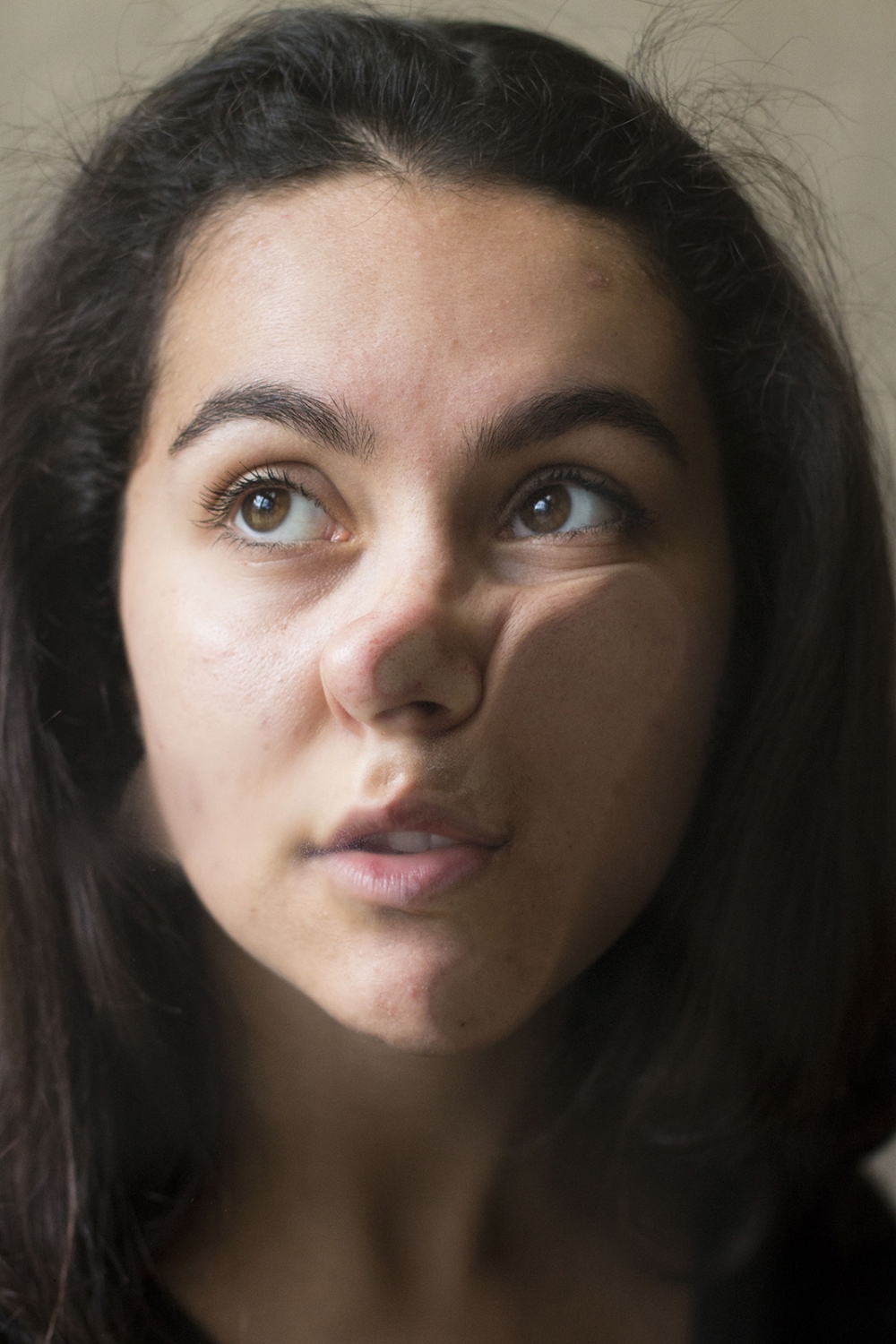
Cristina Puente, a fourth-year anthropology student, said facets of her current identity as a transfer student and Colombian-American woman revolve around understanding her own position within larger local and global contexts. ''I’m a first generation U.S. citizen born to two Colombian parents, which has undoubtedly shaped my experiences as I navigated the duality of being Colombian and American. These periods of social pressures led me to become increasingly insecure (about) my Latino background and resulted in a total rejection of my family’s nationality,'' Puente said. She also stated that trying to assimilate to the social context of what is deemed worthy meant being a certain kind of American. ''I began to recognize what I was aware of as a child was actually part of larger historical and modern intersecting forces between race, socioeconomic status, culture, gender etc. that constructed the complex dynamics between my peers.'' Now, having graduated, Puente said her academic identity holds a responsibility to contribute to the dismantlement of hegemonic power structures and the betterment of the human condition.
(Efren Piñon/Daily Bruin)
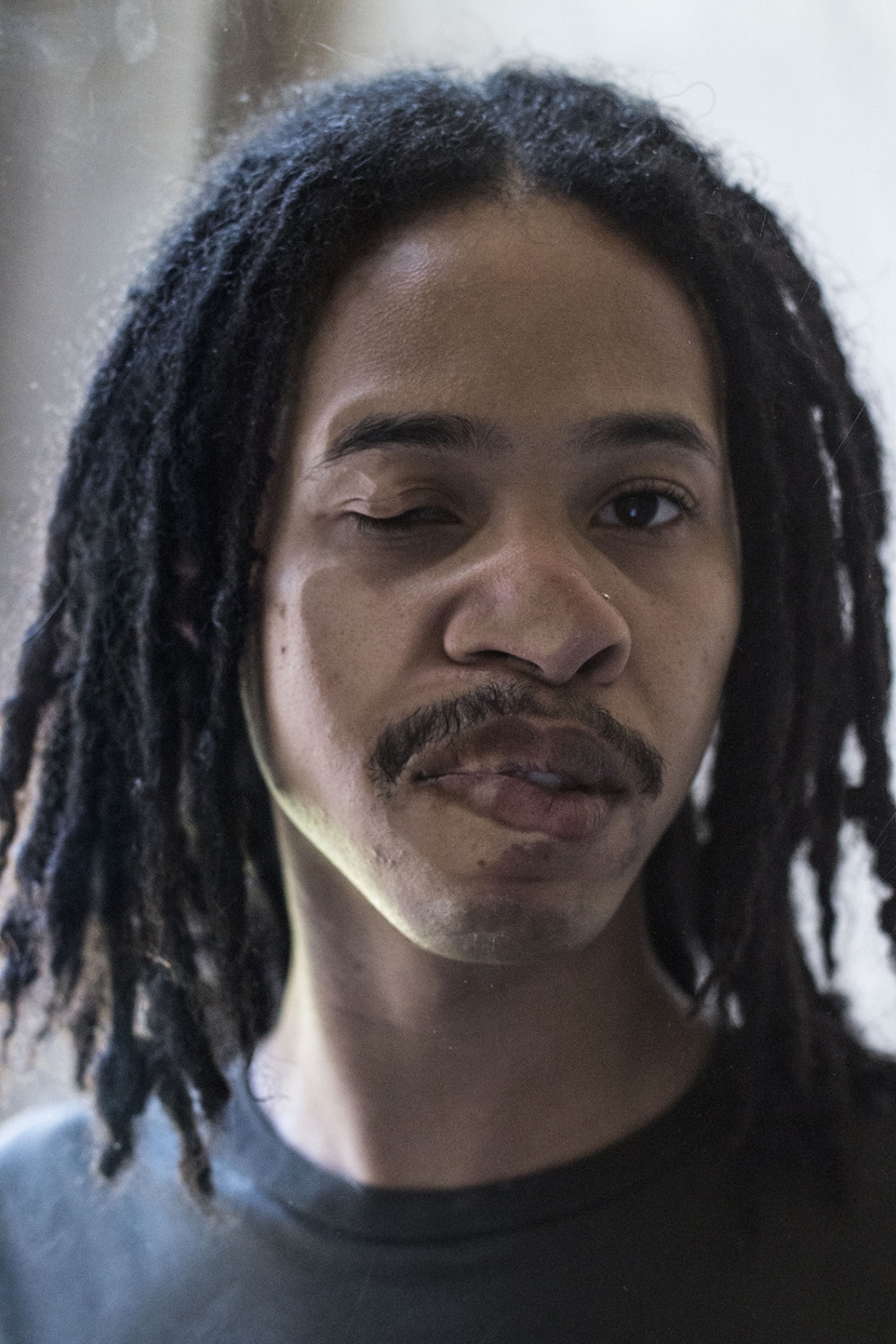
Kevin Thaddeus Brown Jr., a fourth-year African American studies and public affairs student, said he feels society isn't made for young low-income black men to succeed from the start. Moreover, his identity as a queer person complicates it even further. ''I have experienced many obstacles and barriers along my journey, but I have worked hard to have a mindset that is one of perseverance and determination while smashing glass walls that are in the way of what I want. Growing up queer, male and black around a variety of folks who knew me but didn't necessarily understand me fueled my desire to live for myself and the people I love. I started caring less and less about what people expected from me and started to carve out a path that was for me and by me,'' Brown Jr. said. ''Smashing glass walls is looking at the things you want for yourself through what you may presume to be a barrier and smashing it with your intelligence, charm, strength and happiness to be the person you want to be.''
(Efren Piñon/Daily Bruin)
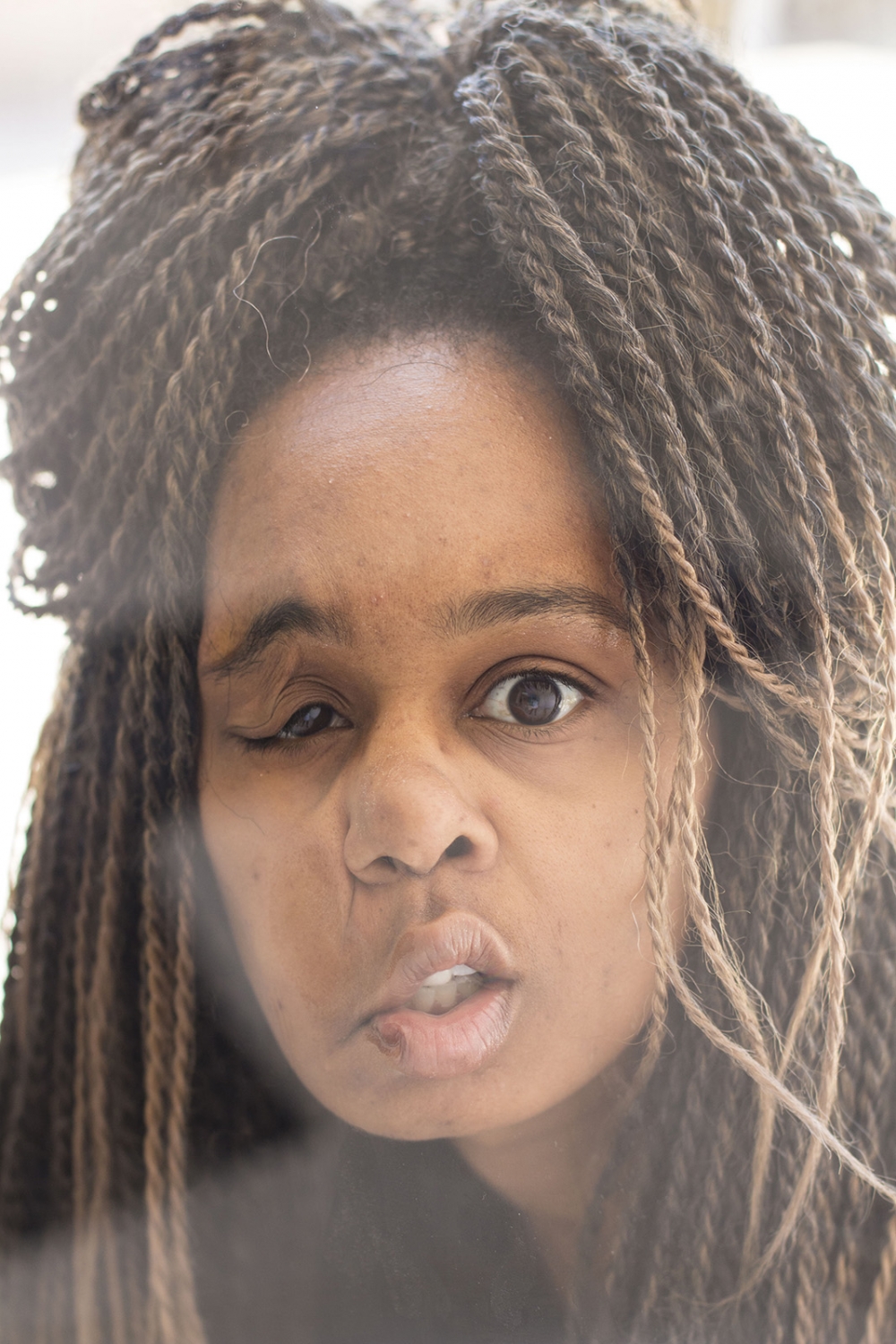
Shamell Bell, a fourth-year world arts and cultures doctoral student, said ''black, woman, disabled, single mother, low-income, Ph.D. student, activist/community organizer, artist and lover of Christ'' are all things that describe her. ''I no longer view them on a binary of ‘good’ or ‘bad.’ All of my failures, stalled dreams, ‘wrong’ turns and personal barriers led me right here to this present moment. The glass ceiling doesn't exist in my reality – I fly above it as my spirit is in the heavens. I show grace to anyone whom I have once perceived as stopping or even speaking against my destiny. I am reminded of all of the ancestors who are lifting me up, especially as I hold my community on my own back,'' Bell said. She said that speaking with elder Hank Jones from the Black Panther Party reminded her to ''critique in love'' and to always turn the mirror on herself. ''I am now able to stand here, free of the past harsh critiques and closed doors, knowing that healing comes when you are ready. Love yourself in order to truly love others. And always remember who you truly are because your purpose, and others', depends on it. I am no longer feeling like I have failed in any way. I am giving all that I have, and that is enough. I am always enough,'' Bell said.
(Efren Piñon/Daily Bruin)
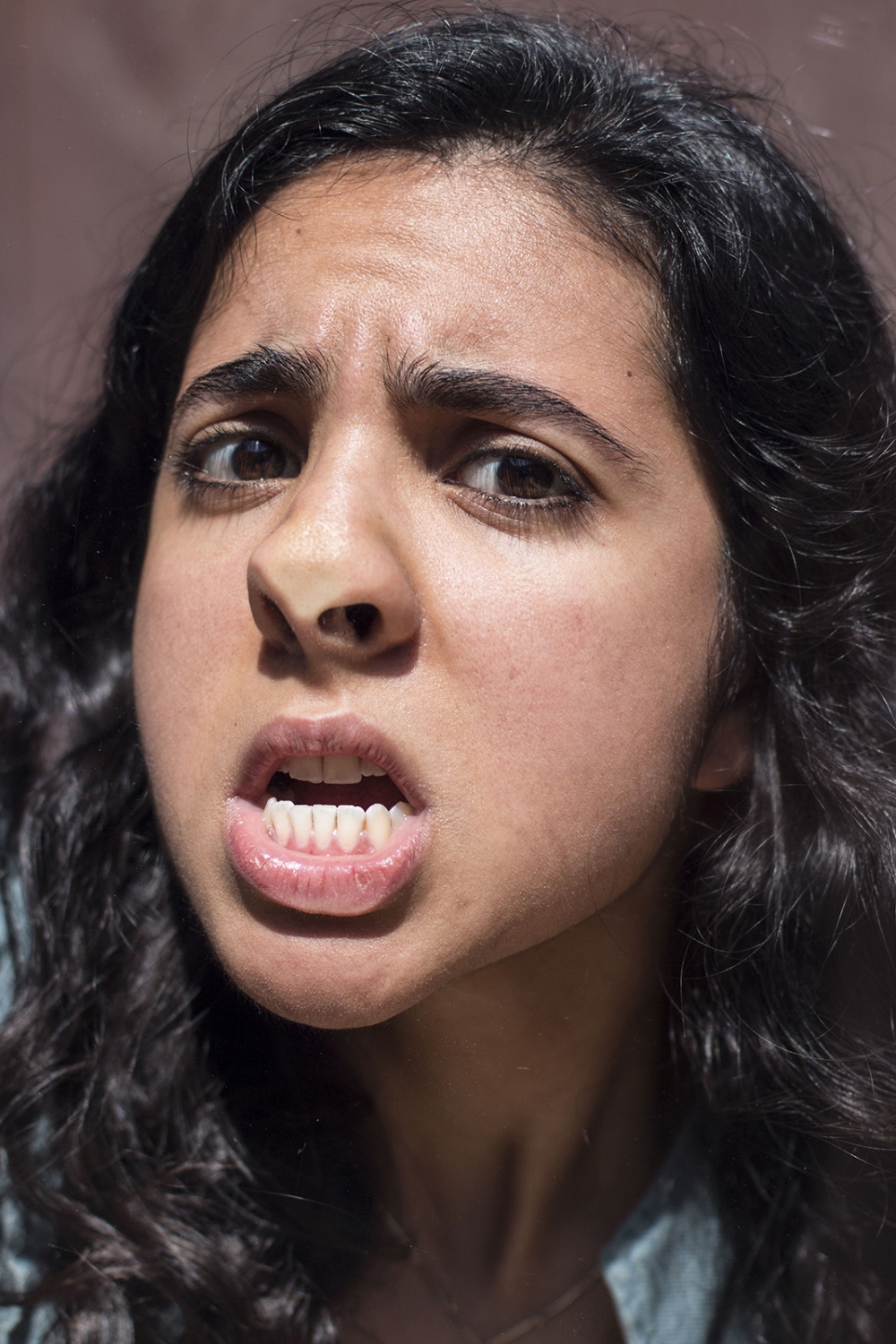
Abrisham Khosravyani, a fourth-year communication studies student who identifies as an Iranian-American, said the societal expectation of women to be apologetic and quiet forms the foundation of her personal barriers. ''My barrier is self-doubt, and that comes from being a minority woman in America. I want to pursue a career in entertainment, and it's one of those fields, like many others, where you constantly need to prove yourself. In my last internship, I constantly found myself in rooms full of white men, and it's so easy to feel vulnerable and not speak up. Sometimes I catch myself and think, ‘Why am I like this? I can do a great job just as well as the next guy!’ But I do think that as a minority woman in America, the societal pressures and the way you're made to think about yourself have a profound effect in your everyday life. But they also give opportunities to persevere and push past those struggles.''
(Efren Piñon/Daily Bruin)
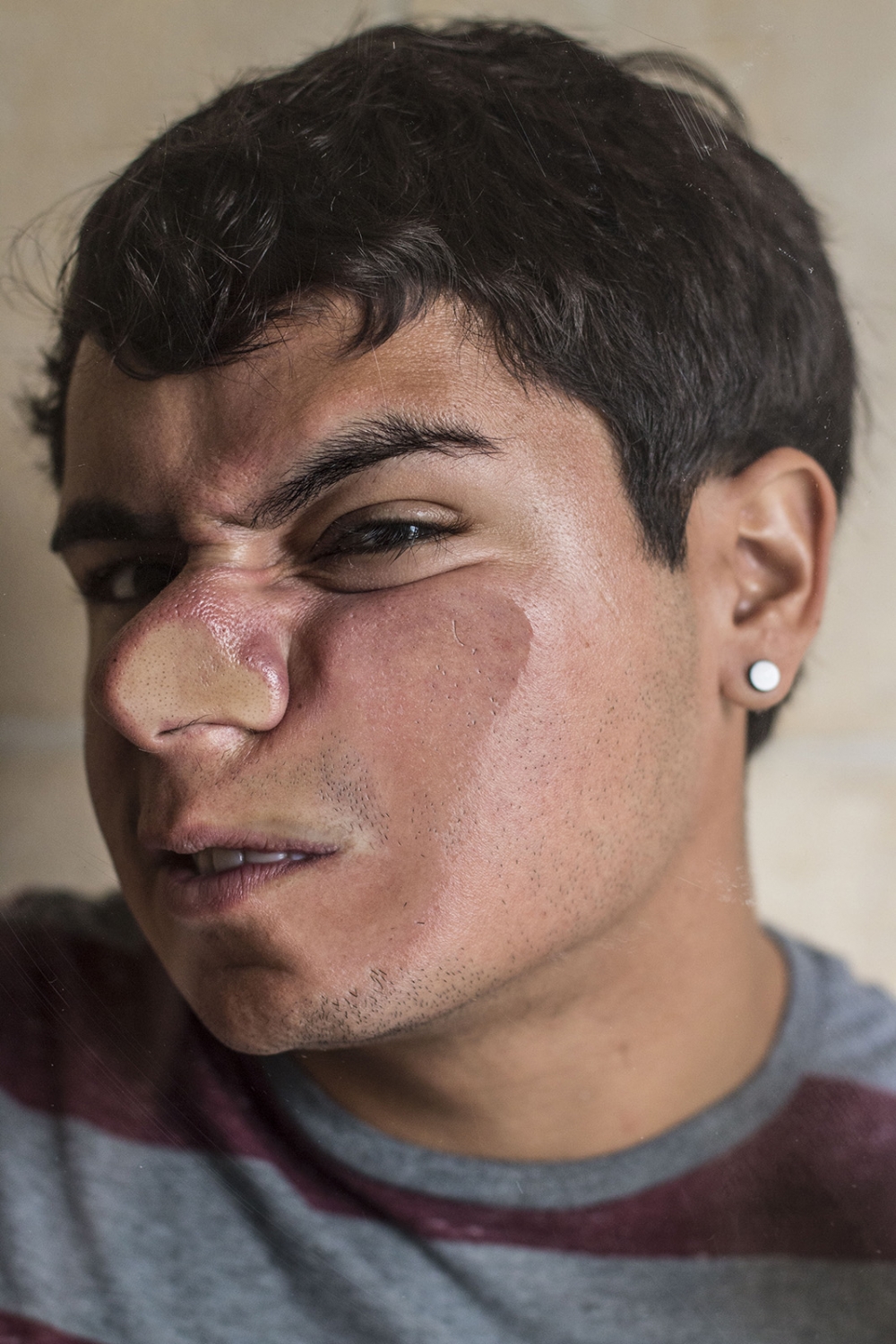
Jesse Solorzano grew up in a small town called Desert Hot Springs in California and transferred to UCLA in 2015. This year, Solorzano graduated with his bachelor’s degree in psychology and plans to attend graduate school. ''I certainly believe there are barriers that still exist for those in disadvantaged communities from my experience growing up in a predominantly impoverished small town as a queer Latino. Those barriers exist in the form of fewer employment opportunities and fewer potential mentors for LGBTQ individuals and people of color. To break through these barriers, I believe education is the key step,'' Solorzano said.
(Efren Piñon/Daily Bruin)
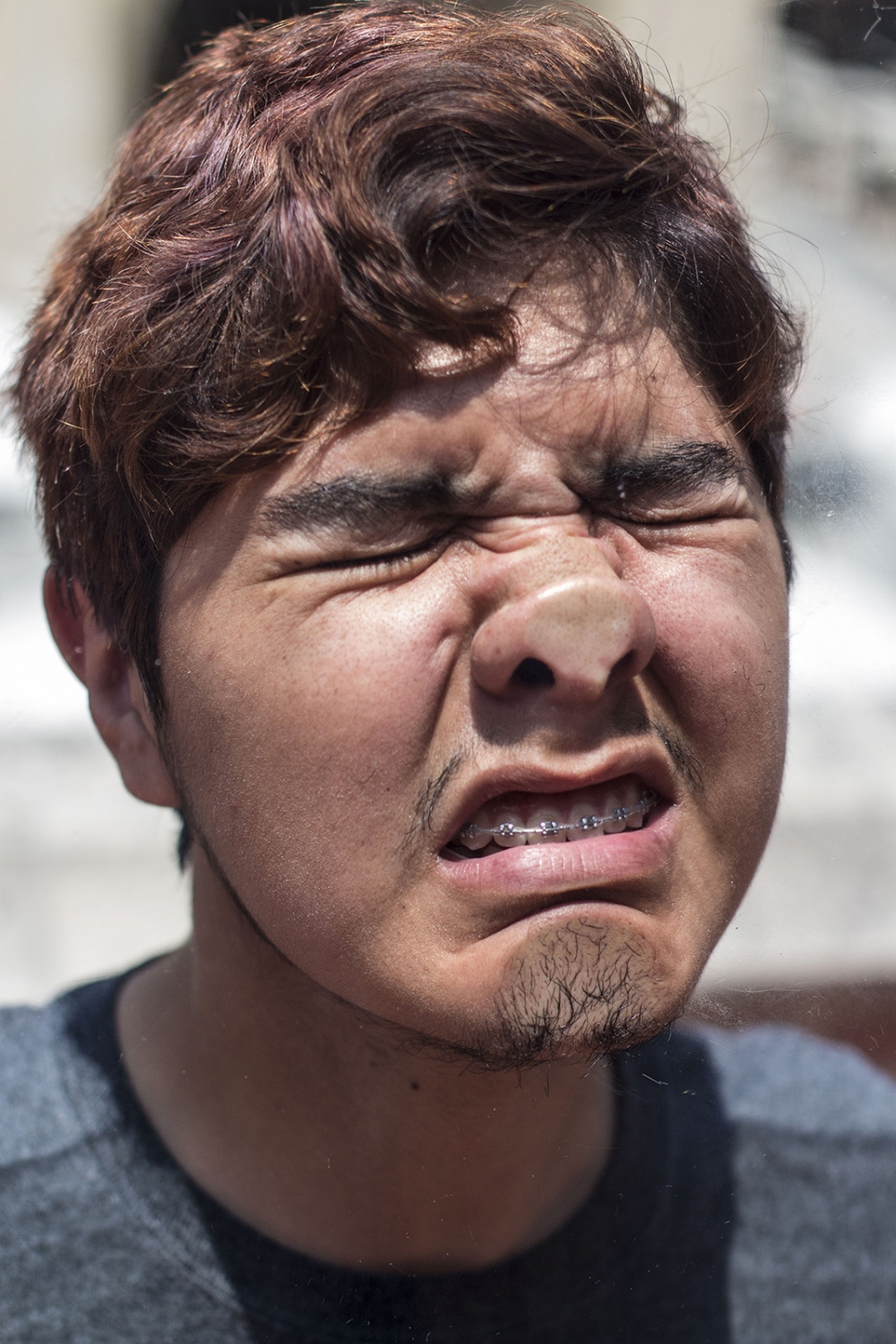
Cristian De Nova Ledesma, a fourth-year microbiology, immunology and molecular genetics student, was born in Mexico City and moved to South Los Angeles at the age of 6. He is also an UndocuBruins Research Program Scholar focusing on the factors that impact the holistic health of undocumented commuter students at UCLA. Ledesma said he identifies as unapologetically queer and undocumented. ''I believe that the system wants you to believe that your options are limited. Here, ‘the system’ can mean anything from capitalism to governments, and even our own selves. In my case, my barriers are legislative, economic and internalized oppression. They exist to keep historically marginalized communities from succeeding. I feel like the system we live in is built on exploitation of labor and resources, without these systemic glass ceilings, the imbalances in power between populations would cease to exist. To overcome the barriers imposed on me, I had to grow up quickly. I became fluent in politics, bureaucracy and self-advocacy throughout my K-12 education so that I didn’t fall through the cracks. I had to shine brighter than everyone else just to barely be considered equal to my peers when applying to college, programs or scholarships,'' Ledesma said.
(Efren Piñon/Daily Bruin)
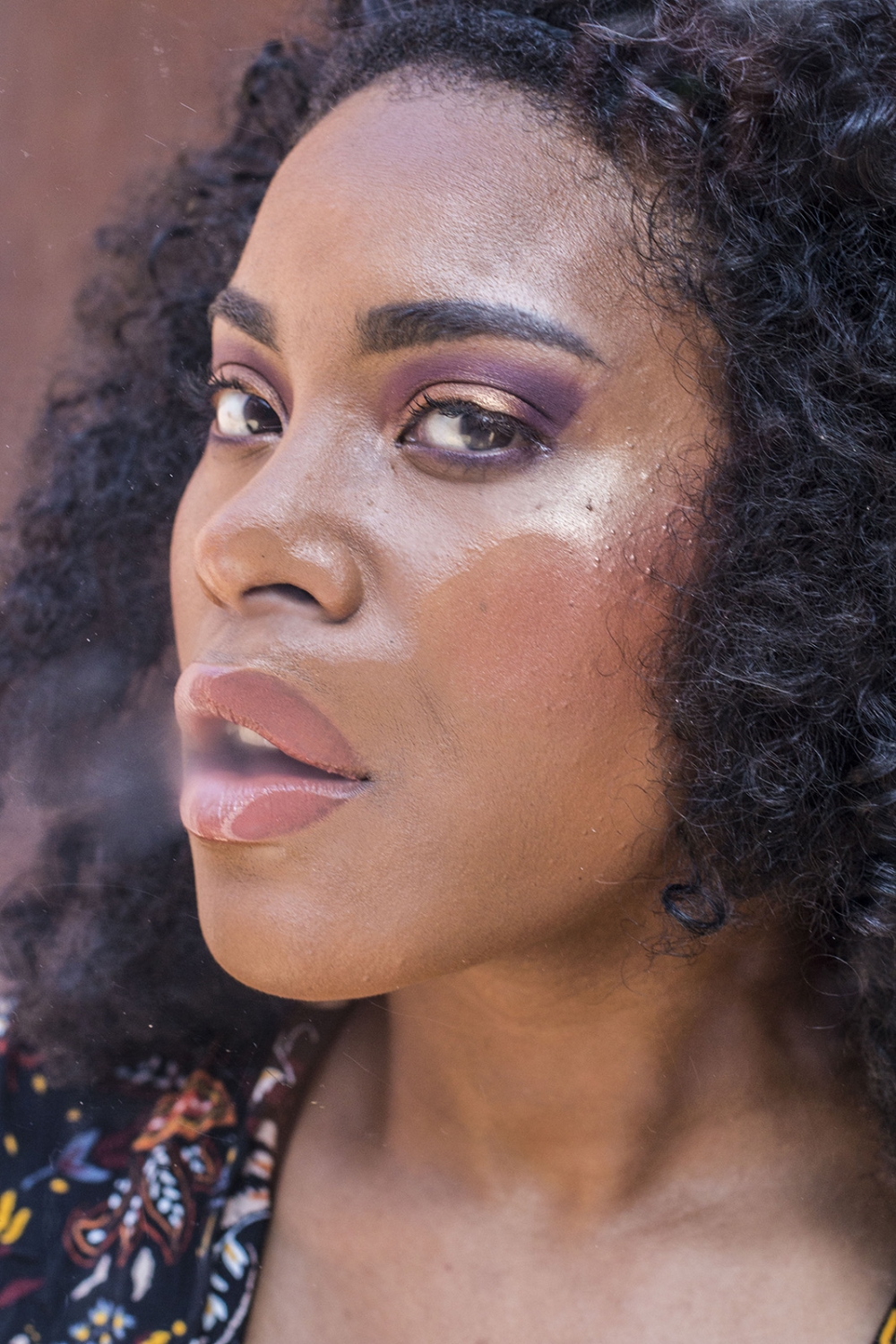
Denea Joseph, born in Belize, identifies as a black undocumented woman and immigrated to the United States at the age of 7. The fifth-year African American studies student said her lived experiences have led her to the state Capitol in Sacramento and the nation’s Capitol in Washington, D.C., to advocate for increased accessibility and affordability of higher education, criminal justice reform and resources to retain marginalized communities in institutions of higher learning. She has also served in the highest student leadership positions at UCLA and the rest of the UC. ''We live in a hierarchical society that propagates inequity to allow the most elite to thrive, ignoring the systemic barriers that prevent others from thriving,'' Joseph said. She stated that her narrative is the exception and not the norm. ''It doesn’t mean that I’ve circumnavigated barriers. I’ve simply acquired more leverage to combat daily barriers. But I’ve navigated these barriers by remaining grounded in my identity, determined to create a greater future for myself, my family, my community and the world in which I live. One marginalized community cannot be free until we’re all free. We shouldn’t be satisfied with being the exception, instead paving opportunities for our experiences to become the norm,'' Joseph said.
(Efren Piñon/Daily Bruin)
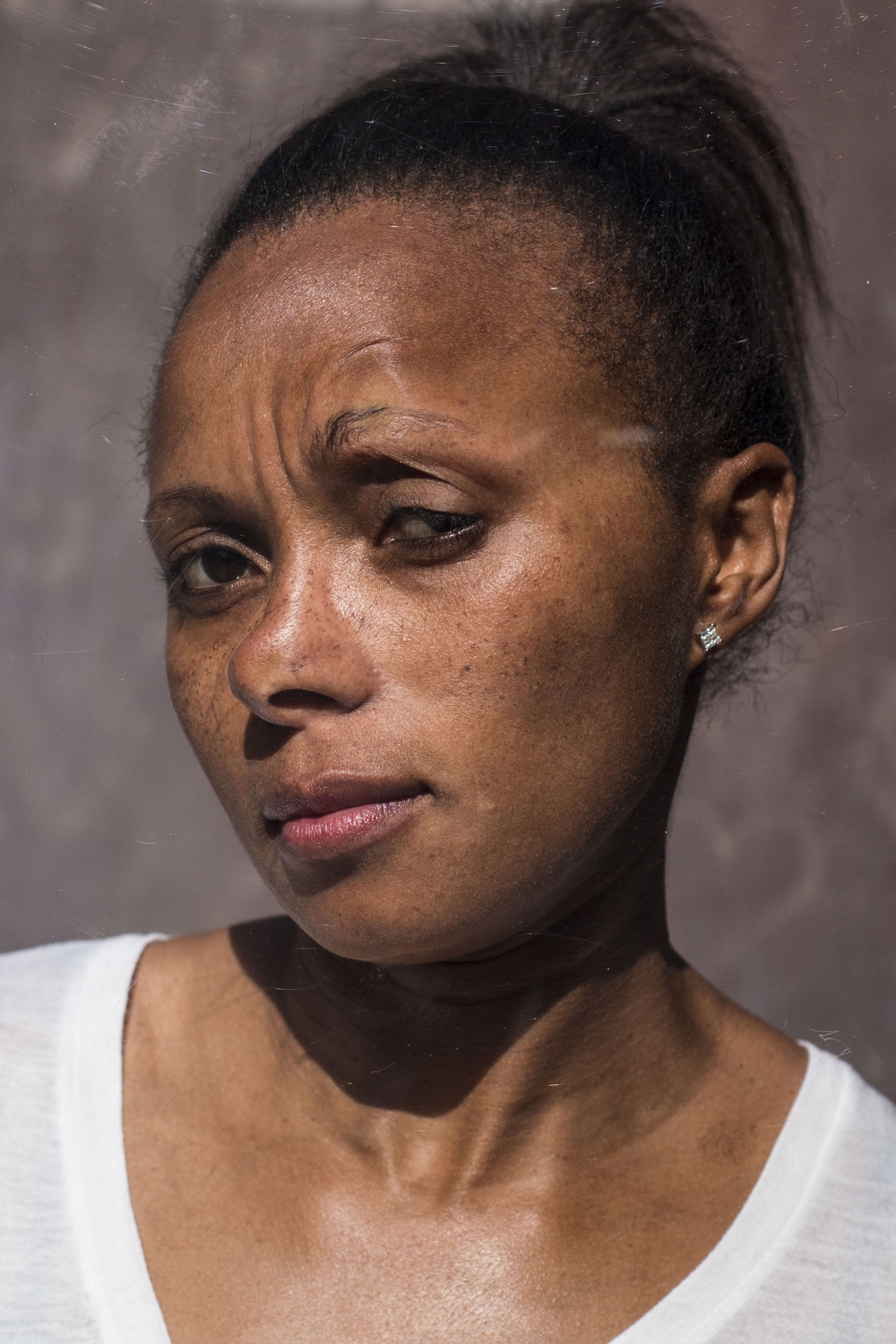
Monica Barnett, a fourth-year political science student, moved to America from Zimbabwe five years ago at the age of 35. ''I was overwhelmed by what seemed like an insurmountable barrier – the prospect of starting over so late in life. Yet here I am getting ready to graduate from UCLA. For two years as mother to two young children, I have diligently commuted between San Francisco and Los Angeles in pursuit of a seemingly impossible dream, spurred on by the voice within that told me at each hurdle, ‘You’ve come this far, you can do it.’ Balancing financial and family commitments together with life as a full-time student were my biggest barriers and a deeply personal challenge I needed to overcome in order to reach for my dreams. My path was an obstacle course of demands and constant doubt, but I broke through the barriers of what it means to be a parent and a student at an age when most people have very narrow views of what their life choices are. I overcame self-doubt and shattered the proverbial glass ceiling that faces many parents my age, but through it, I have empowered myself and hope to empower others with my story,'' Barnett said.
(Efren Piñon/Daily Bruin)
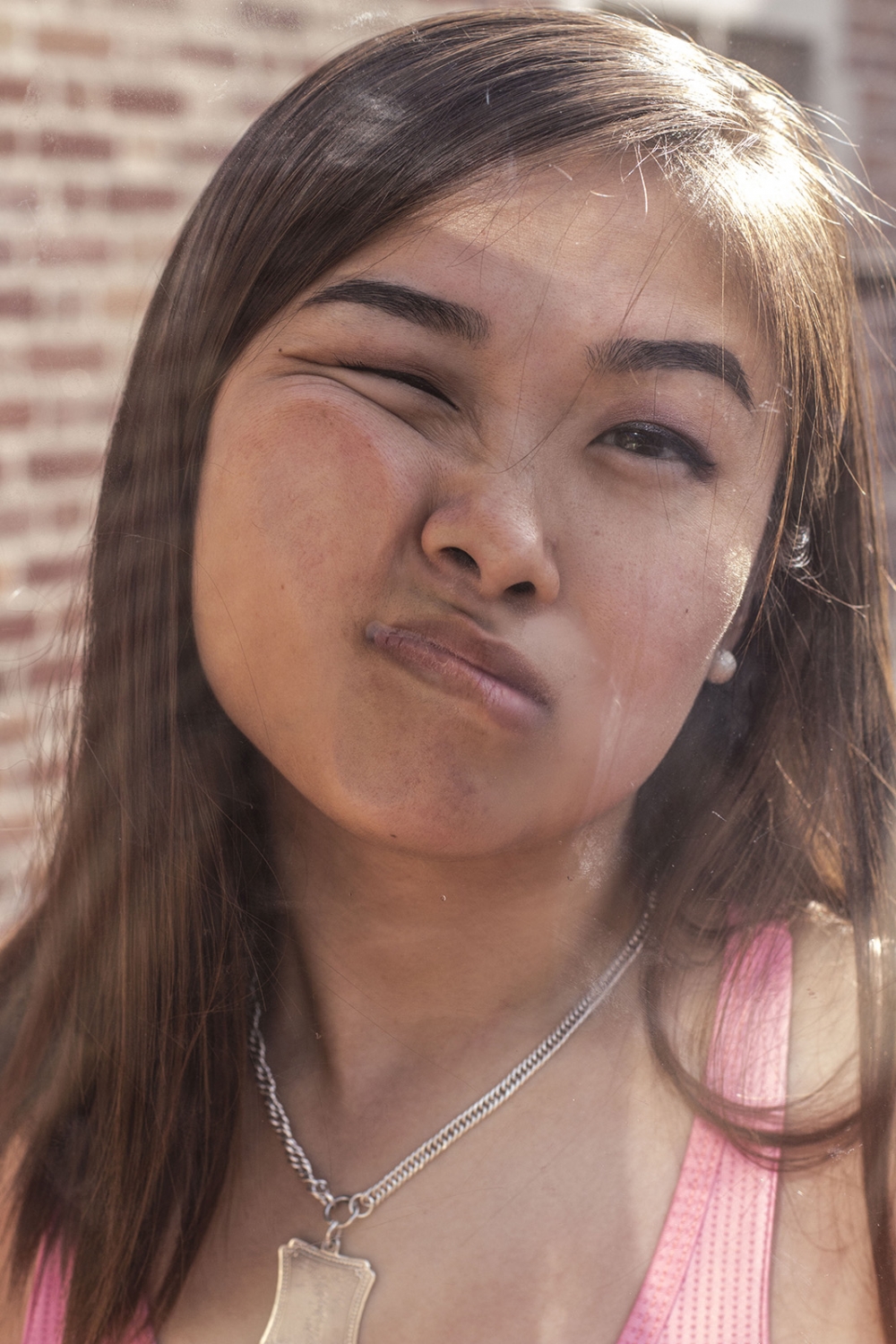
Amy Shao, a first-generation student born to parents who were undocumented, identifies as a Chinese-American woman. The former USAC Cultural Affairs Commissioner and fourth-year political science student said she struggles to reconcile her own personal goals with societal expectations. She says she believes an ''Oppression Olympics'' exists, where some people try to one-up the hardship of others. ''Some would say that I don't know what they’re going through. Maybe it comes with the model minority myth and the bamboo ceiling, but I always struggle to explain to folks that I grew up working really hard at a young age to help my family financially. I don't come from an affluent, well-off background. People don't know that my father was part of gangs and that violence and drugs do affect the Asian-American community. We don't all fit the mold of model minority. People think that just because you're Asian, you'll be fine in some capacity. I found that (that is not true for everyone).''
(Efren Piñon/Daily Bruin)

''I am a Pakistani immigrant, and I moved here when I was eight. I am a Muslim woman,'' Noor Euceph, a fourth-year Design | Media Arts and film student, said. Euceph stated that she constantly defends her Muslim and Pakistani identity. ''The mass majority of Muslims and Pakistanis I know are educated, liberal people who deeply cherish and respect American values of equality and freedom. We love this country and want to contribute a positive change to it.'' Euceph said she thinks that the negative assumptions about her identity stem from the lack of exposure to the reality of her culture and religion. She also said she has faced hardship in pursuit of a career in the entertainment industry as a brown woman. ''You can really see the structure of this country from the microcosm of this one industry – it caters to white heterosexual men. You see that because they're always at the top, making big decisions. I don't see myself represented in the industry I want to work in, on-screen or off.''
(Efren Piñon/Daily Bruin)
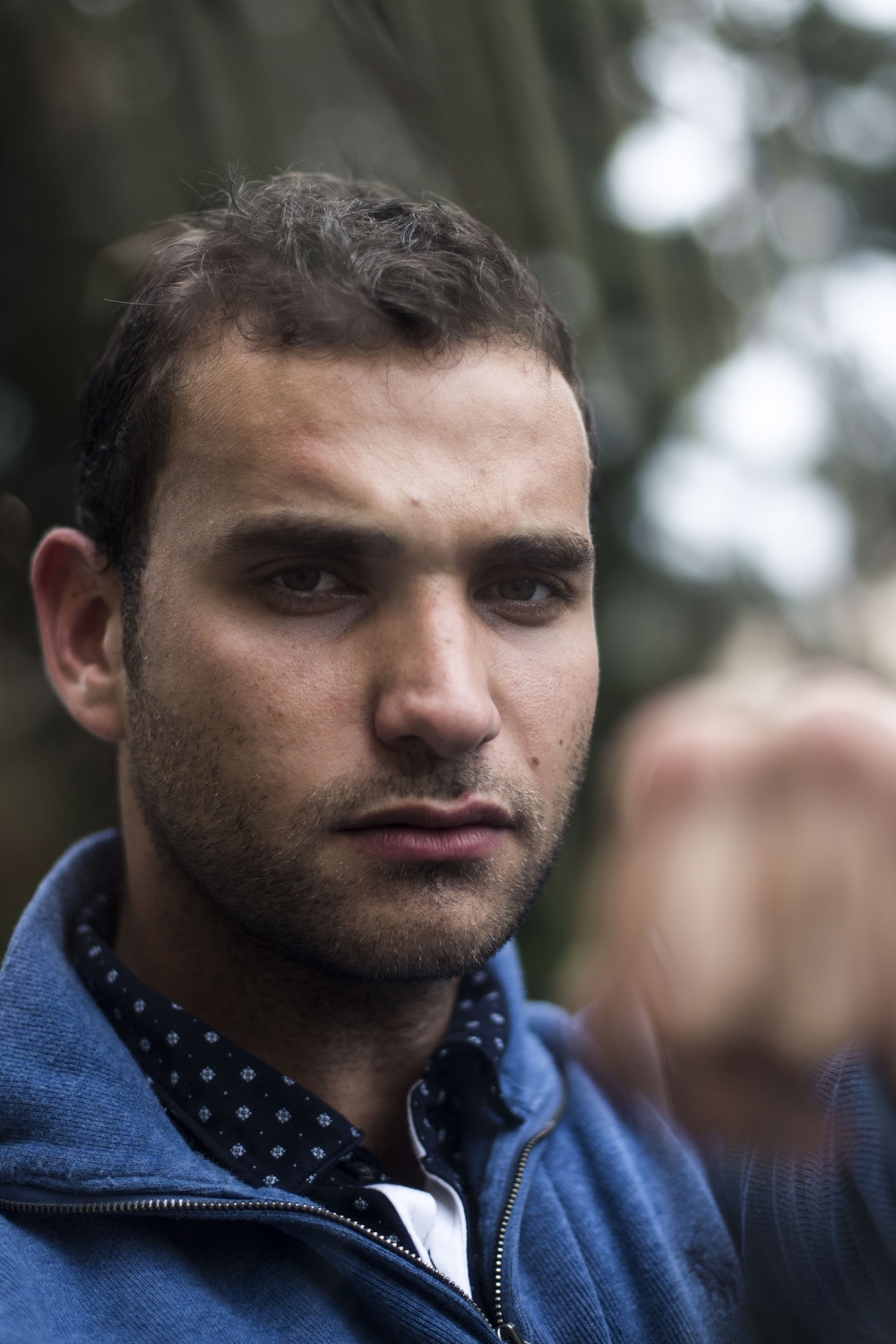
Patrick Gus Malkoun, an artist born to Lebanese immigrant parents who left during the 1975 civil war, said that growing up in a Catholic Middle Eastern family imbued him with a strict notion of gender roles. ''People tend to put you in the box, and when you color outside the lines, it scares people. I never really fit in, and that is why I am a big proponent of art and expression. My artistry has saved me and became my own hero – no labels,'' Malkoun said. Malkoun added that overcoming the lowest points in his life inspired his life’s purpose. ''I will fight through legislation and help those who feel silenced and disturbed. You can be anything you want to be, the limitations are all in your head. I do believe that glass ceilings exist because of white male privilege. These barriers exist to keep us quiet. We live in a time where the revolution is to disturb those who are calm.''
(Keila Mayberry/Daily Bruin)
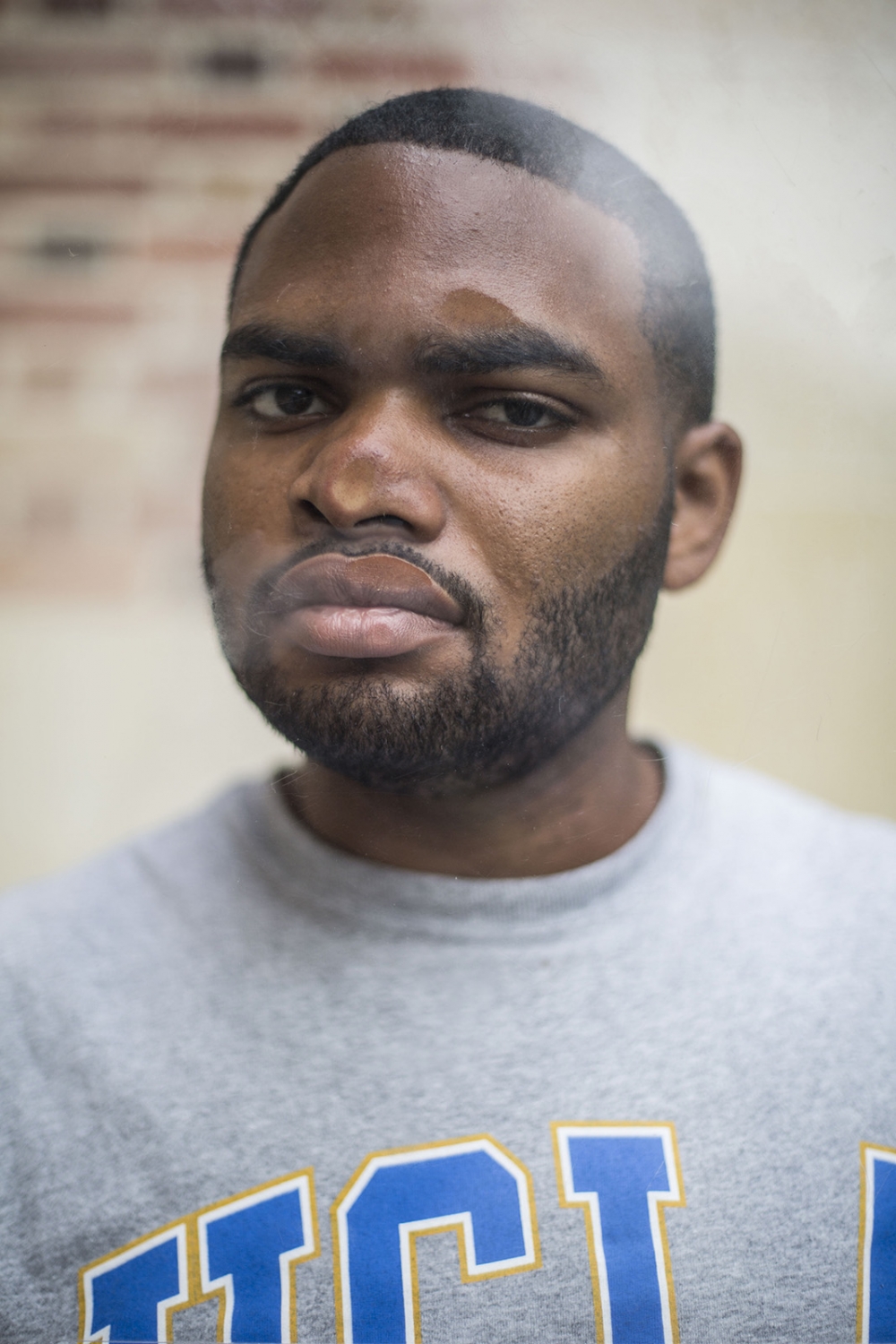
''I am a first-generation, low-income African American male and graduating senior,'' Robert Gardner, a fourth-year political science student, said. He transferred to UCLA from Los Angeles Valley College in 2015. ''I grew up in South Central Los Angeles in destitution, faced police brutality, went to poor performing schools and was even once homeless and had to sleep in my car. When I started community college, I continuously either failed my classes or had to withdraw because my educational background was weak, hindering my ability to excel. I also struggled to get by on minimum wage jobs, so I couldn't afford to go to school full time nor seek tutoring services. Relative to others at UCLA, I had many barriers and glass ceilings to overcome.'' Gardner said he believes societal barriers exist because of historical and prevailing systems of oppression. ''Anti-black racism, white supremacy, heteronormativity and patriarchy keep many communities of color and other oppressed identities from succeeding.'' Gardner states that it is sometimes arduous to educate and mobilize for a just society. ''It’s hard for a lot of people to see these barriers because the laws, policies and practices that propagate inequality are more systemic today and less overt. On top of that, the prevailing ideologies of colorblindness and individualism have cast doubt on the need for equitable public policies to reduce barriers and break glass ceilings.''
(Keila Mayberry/Daily Bruin)
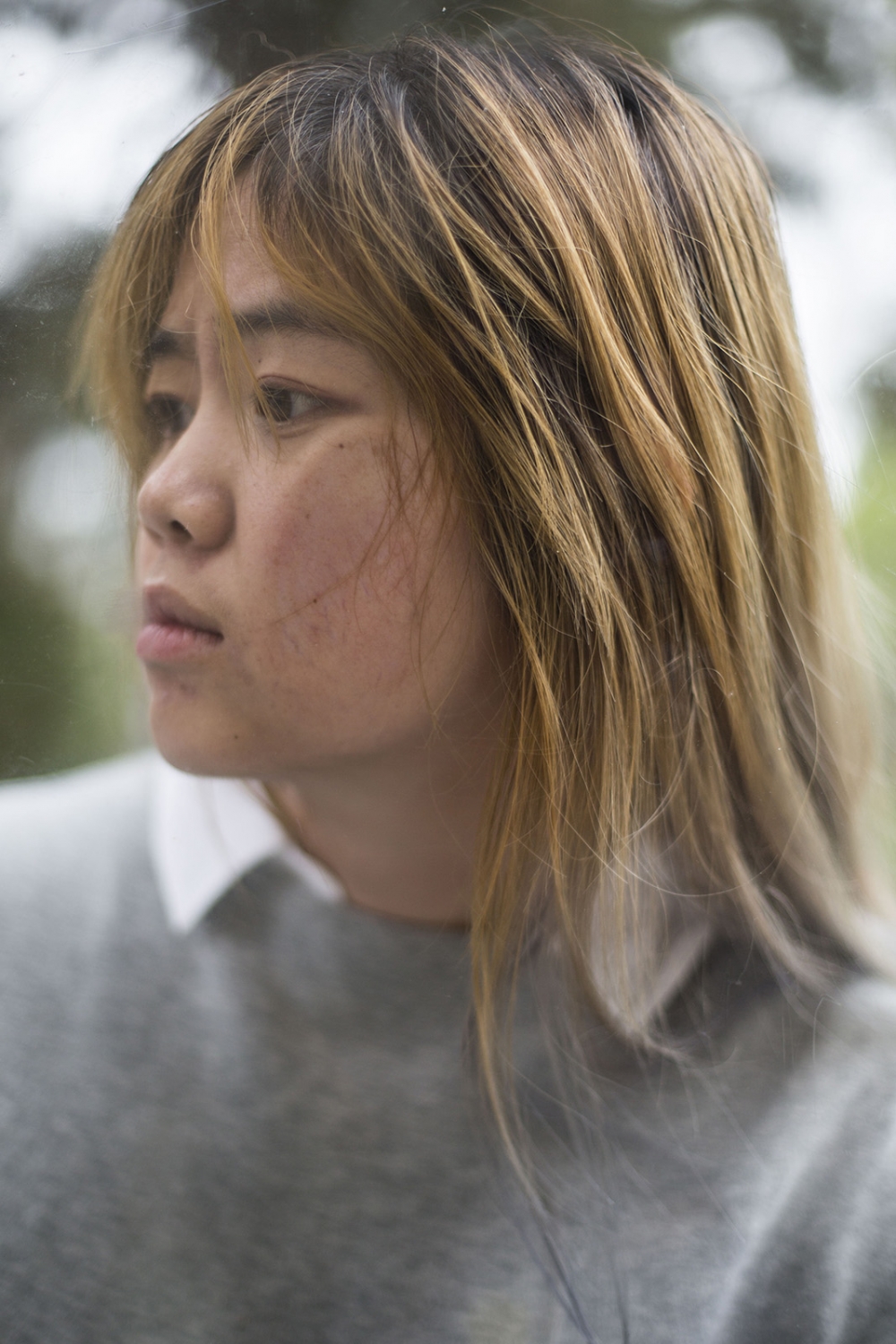
Kimberly Lau identifies as a queer Chinese American of faith. The UCLA alumna graduated in 2015 and has been working in community organizations focused on the needs of queer and transgender individuals for two years. ''A lot of Christian organizations bar, by policy, queer people. In most predominantly white organizations, people are expected to talk a certain way. It bars people from different backgrounds and just anyone who expresses (him or herself) in a way that is non-normative.'' Lau said that people who reinforce glass ceilings are often doing so unwittingly. ''Most organizations and leaders choose people who are most like them. In turn, it becomes mono-cultural, mono-ethnic, mono-sexual orientation.'' Lau said that being aware of the barriers and working harder have both helped push through the glass. ''I know that I have to be more aggressive because I won't be the first one to be picked. I have learned to be okay with that. A lot of it is working for opportunity rather than waiting for it. As part of queer people of the color community, we always have our ears to the ground because we're always the first to be booted off. We should advocate for each other. When our community succeeds, we all do.''


