






IN THE NEWS:

Unmasking mental health
By Daily Bruin Staff
June 5, 2016 12:00 p.m.
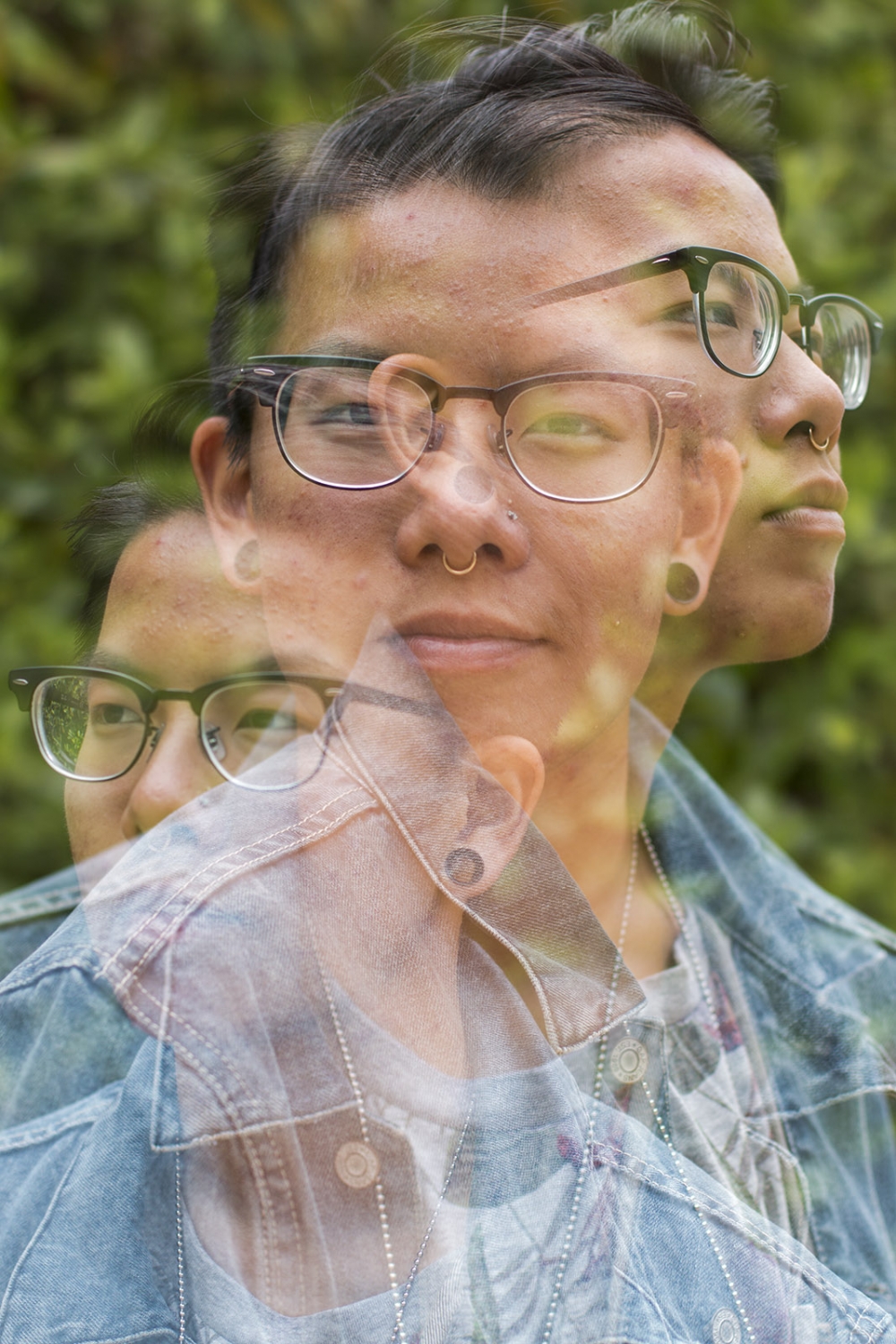
Eren Ng, a third-year political science student, was diagnosed with major depressive and anxiety disorders in 2015. The tug of war with the confining expectations of society and his self-identity have caused his beliefs surrounding mental health to shift. “I was officially diagnosed with major depressive and anxiety disorder last year, but my struggle with mental health began around the time I was entering high school. My depression came and went with different events in my life but it has always been centered around my struggle with self-identification in a cis-heteronormative world. I felt that my voice was being drowned out by the cultural ideologies of my Asian heritage and the teachings of Christianity I grew up with. I felt out of place. A thick gray fog permeated every aspect of my life, pushed up against my skin, and made my world seem so small. I was a mess trying to be happy and expressive around my friends when all I wanted to do was breakdown and cry.”
(Efren Piñon/Daily Bruin)
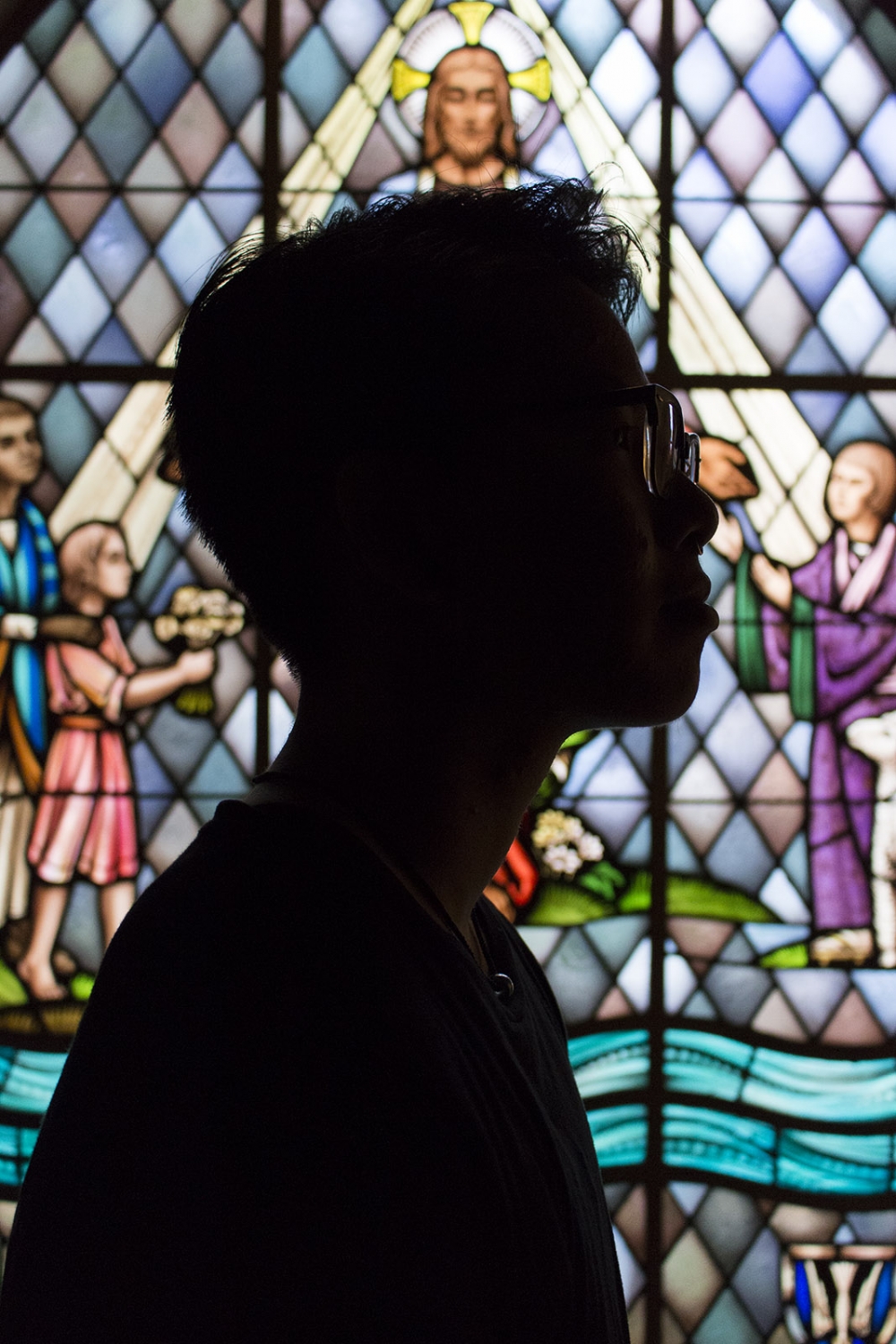
“Who am I? Why was I born? How do you claim an identity knowing the odds stacked against LGBT individuals in every aspect of society? Am I going to go to hell? These questions that gnawed at my bones, kept me awake at night, and replayed every hour of every day in my head. There were moments where I didn’t hesitate to bring the knife to my skin. At least the physical pain was something other than the emotional hell I was in. And the blood was a physical indicator that I was still alive. But I knew I was still just digging a deeper and deeper hole of self-hatred and shame. It’s like I could see the way out but I convince myself the rocks are too slippery to climb up on.”
(Efren Piñon/Daily Bruin)
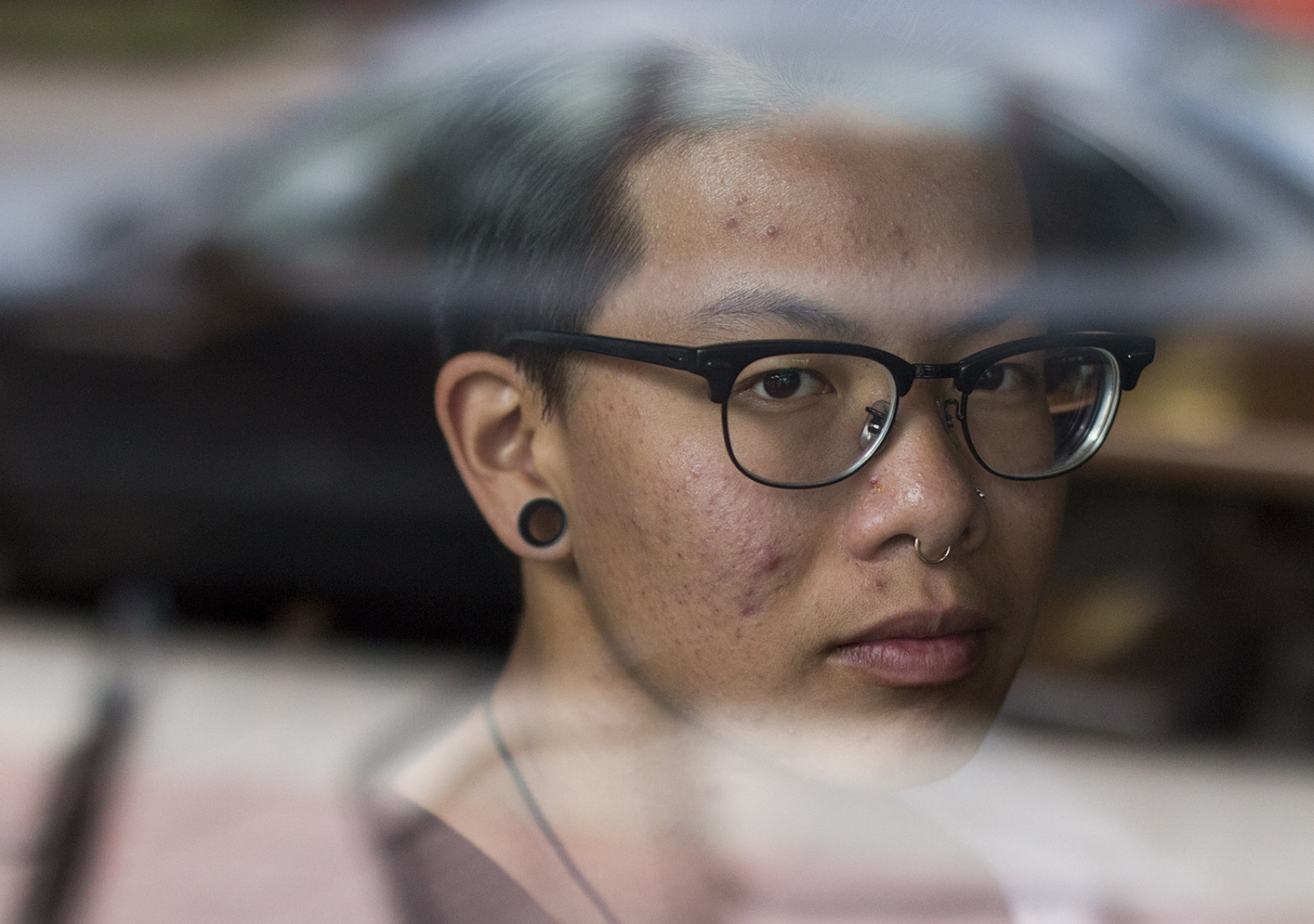
“Today I know where I stand. I proudly identify as a non-binary, trans-masculine, queer person. I got out of that hell hole due to a different understanding of my spirituality, my friends, and mostly myself. This is not to say that I’m a completely healed person. Depression is always lurking in the shadows. I’ve just become more hopeful—the type of hope that isn’t wishful thinking but rather a faithful expectation of a better future. Learning to love and care for myself has been a wild but wholesome experience. I’ve learned to live unapologetically because I have a right to exist and to take up space. At the end of the day, I’m just another human being trying to live my best life. And they were right when they said it’ll get better.”
(Efren Piñon/Daily Bruin)
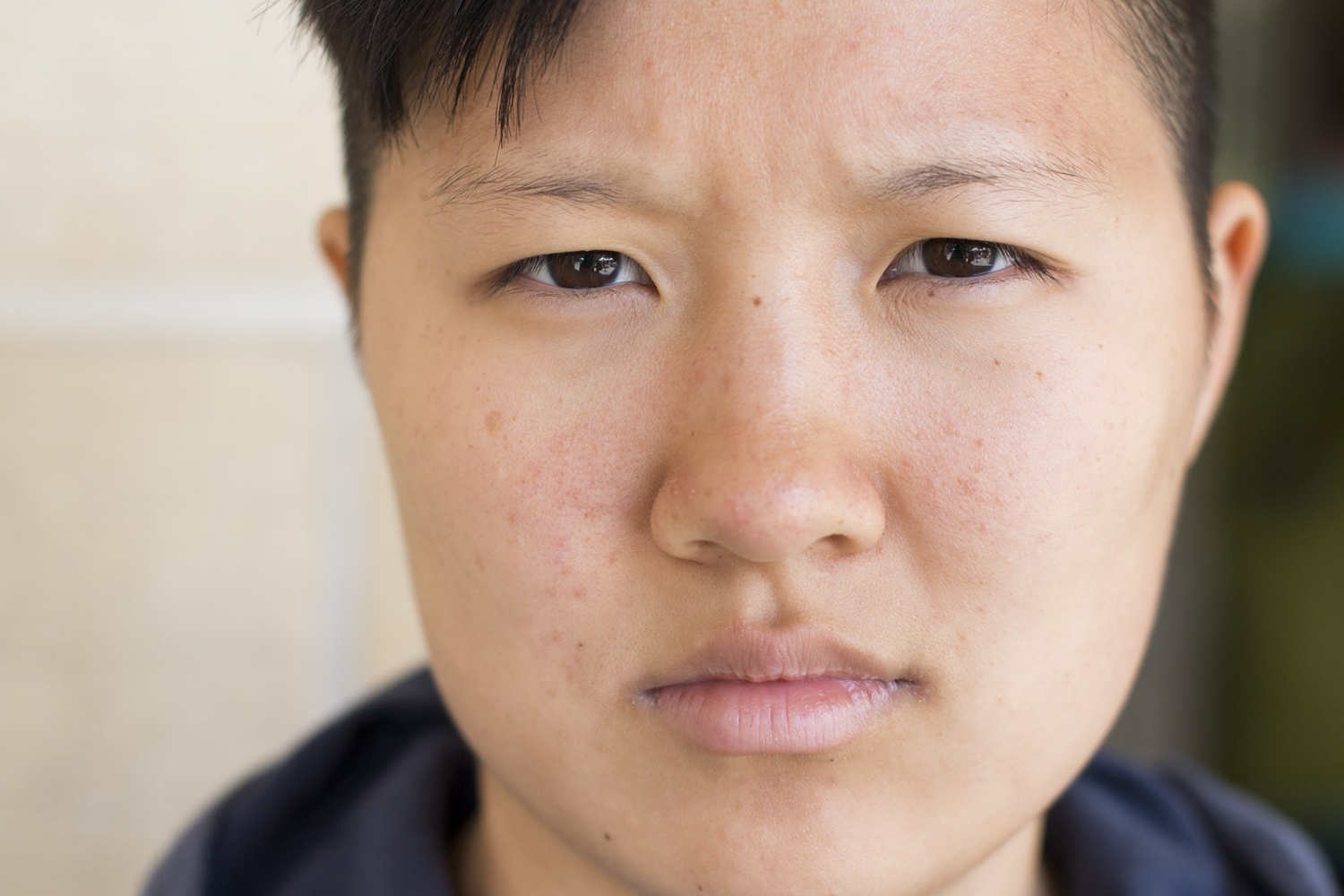
Bo Hwang, a fourth-year gender studies student, has symptoms of bipolar, depression, anxiety and post-traumatic stress disorder. His experiences with mental health inspire him to encourage others to seek help. “My first time at a psychiatric outpatient clinic was when I was 21-years-old. It was scary. I remember calling that place a “nut house.” I have symptoms of bipolar, depression, gender dysphoria, general anxiety disorder and post-traumatic stress disorder. I call my diagnosis symptoms because all those mental health challenges cannot explain who I am as a human being. Unresolved trauma, sexual assault coupled with my Korean Christian roots and PTSD was a challenge especially when I wanted to live myself authentically as a man.”
(Efren Piñon/Daily Bruin)
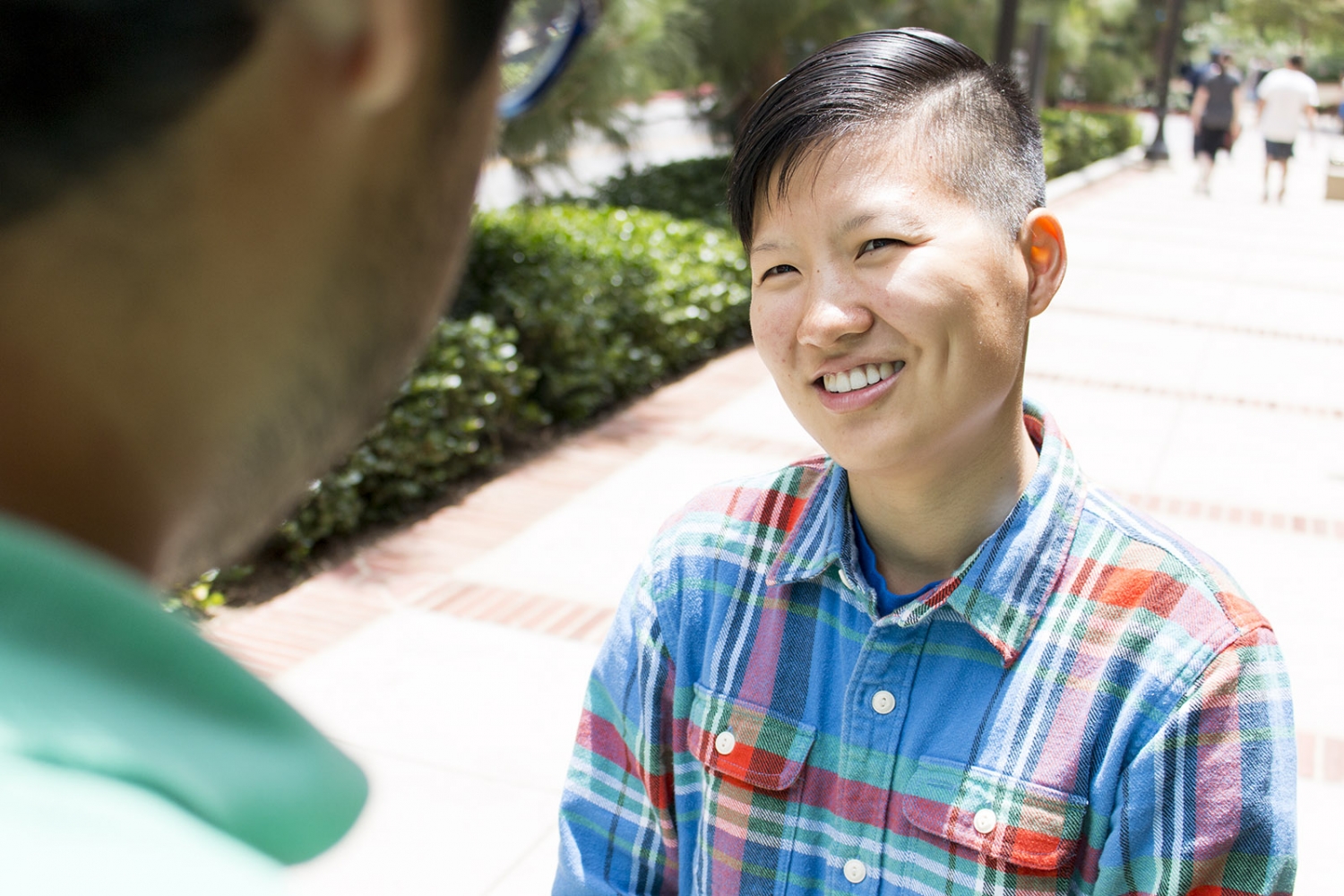
“My bipolar disorder has impacted me in so many ways. I can get a lot of work done when I am in my manic stage. However, during my depressive episode, I feel and become a completely different person. I avoid people, check out of life and feel hopeless. There are only a few people in my life that I trust to show this side of myself; they all happen to be guys, which is dope. I think guys should be able to show that side to each other especially when heteronormativity expects most straight guys to be indifferent and strong. Moreover, this can slowly create a space where guys can talk to each other without feeling the urge to compete to prove one's manhood.”
(Efren Piñon/Daily Bruin)
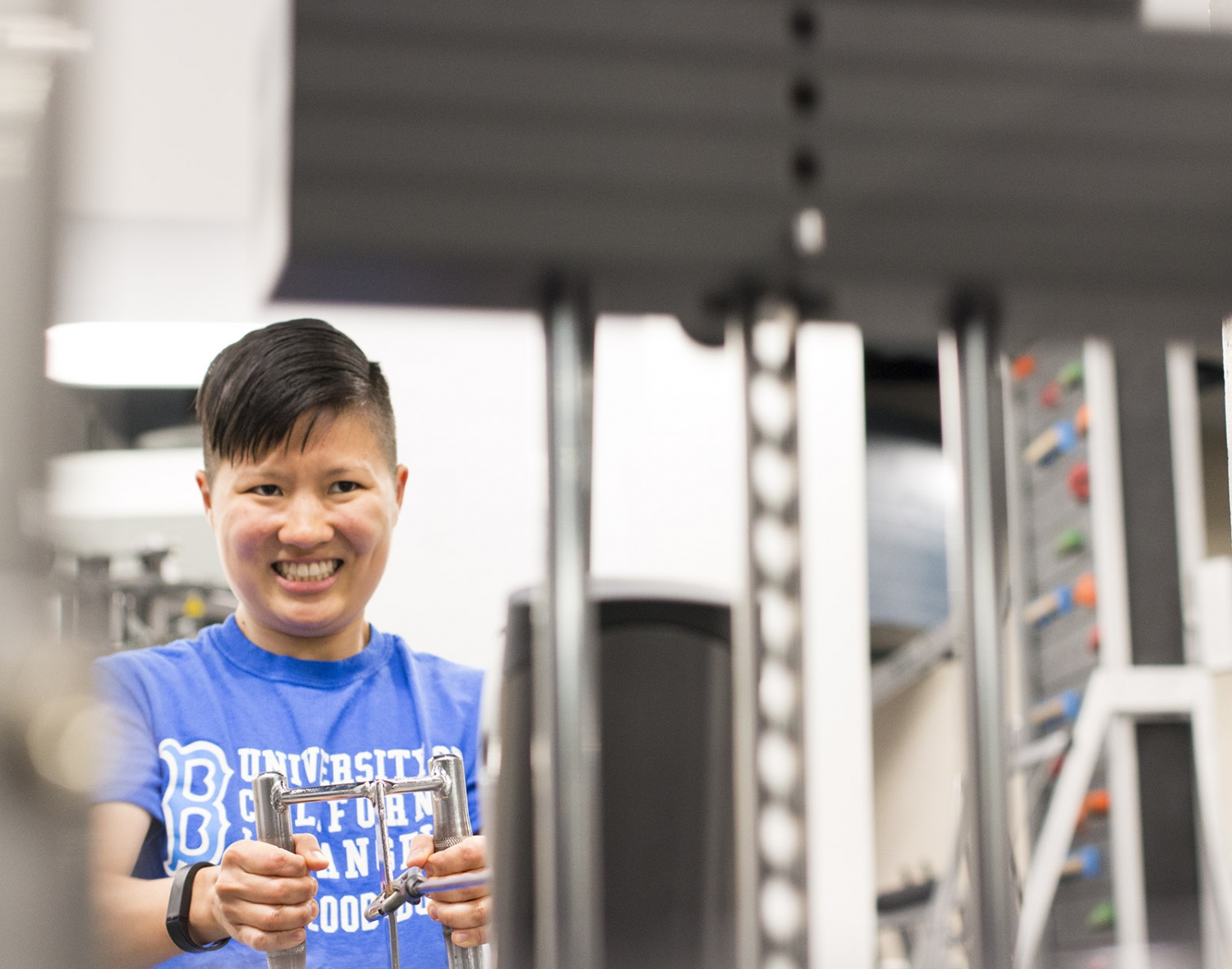
“I sometimes feel that I have to wear a mask or ‘put a front’ because I am a guy and a public figure on campus. I want fellow Bruins to know it is okay to ask for help. Mental health is just as important as physical health. I really believe in authentically being present with our feelings. You got to feel to heal it. Do not disregard your feelings because it is not a ‘good’ enough reason. In order to manage my bipolar, I lift weights. Last week, I reached my highest and can lift 300 pounds for my calves and 200 for my back, #whatsgood #squatsfordays. I also host different enrichment workshops on campus and beyond around identities, stigma, etc., which is something I love from the bottom of my heart #bae. I really want to learn to trust others again but I really think that can only happen when I can learn to trust God and put my faith in someone higher than myself.”
(Efren Piñon/Daily Bruin)
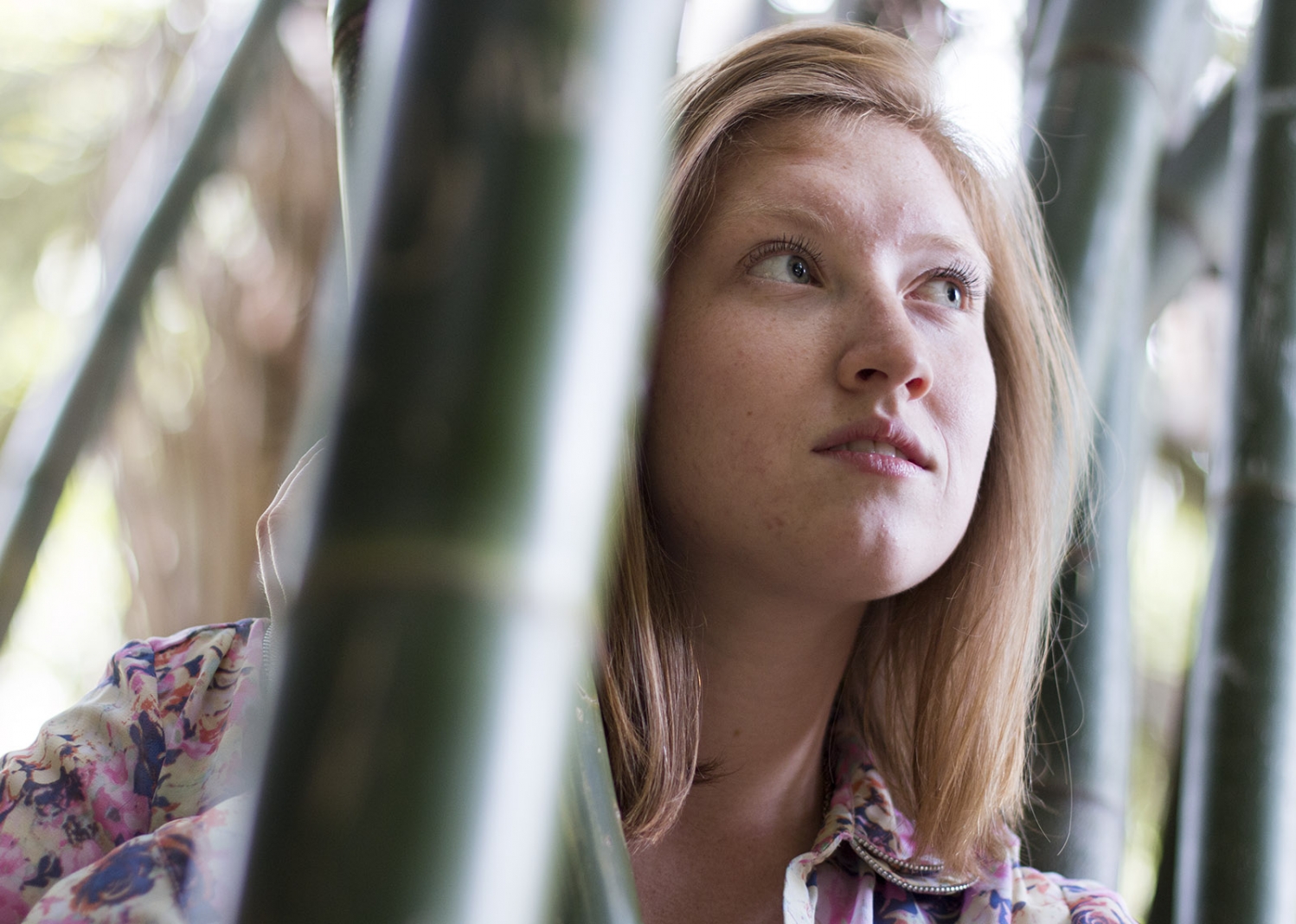
Brooke Houser, a second-year psychology student, developed bulimia nervosa in middle school. Activities that celebrate her passions and beliefs fostered her recovery. “My involvement with mental illness is multifaceted. I have experienced mental illness as a friend, a loved one, a student and as a survivor. My experience with mental illness started early with the suicide of a family member when I was very young. I quickly realized that self-harm is not something necessarily done out of need for attention or even as self-punishment. As I entered my junior year of high school, I developed bulimia nervosa and began to binge and purge. This was also triggered by self-loathing and anxiety centered mostly around my size and eating. Near the end of my freshman year at UCLA, my eating disorder had evolved to an extreme level and I began facing some serious health consequences. I finally reached out to my partner, who was extremely supportive and encouraging of my recovery.”
(Efren Piñon/Daily Bruin)
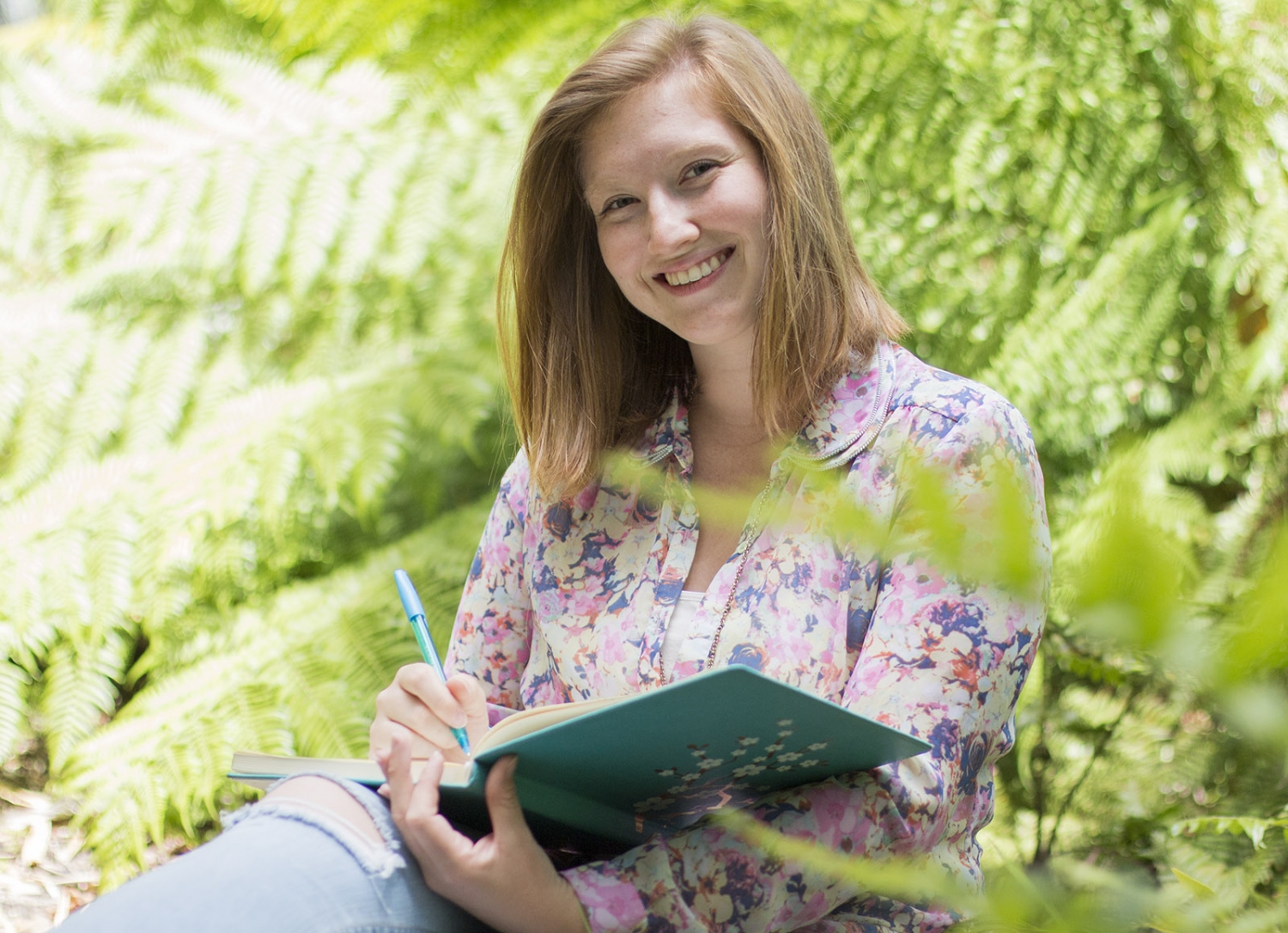
“I soon realized that recovery is different for everyone. I think that our society has a stereotyped idea of what recovery looks like, that it consists of hospitals or rehab or intensive therapy. For some it certainly does include those things, but for others, recovery can simply be reconnecting with oneself and understanding the causes and symptoms of the illness. I also find therapy through self-care activities like hiking, mindfulness, and journaling. I use the term recovery, although I am certainly not rid of my illnesses. Some days I wake up and cannot look in the mirror. Other days I am so anxious I cannot focus in class. There are moments when I want to harm myself, and although rarely, sometimes I do. Recovery isn't a straight line.”
(Efren Piñon/Daily Bruin)
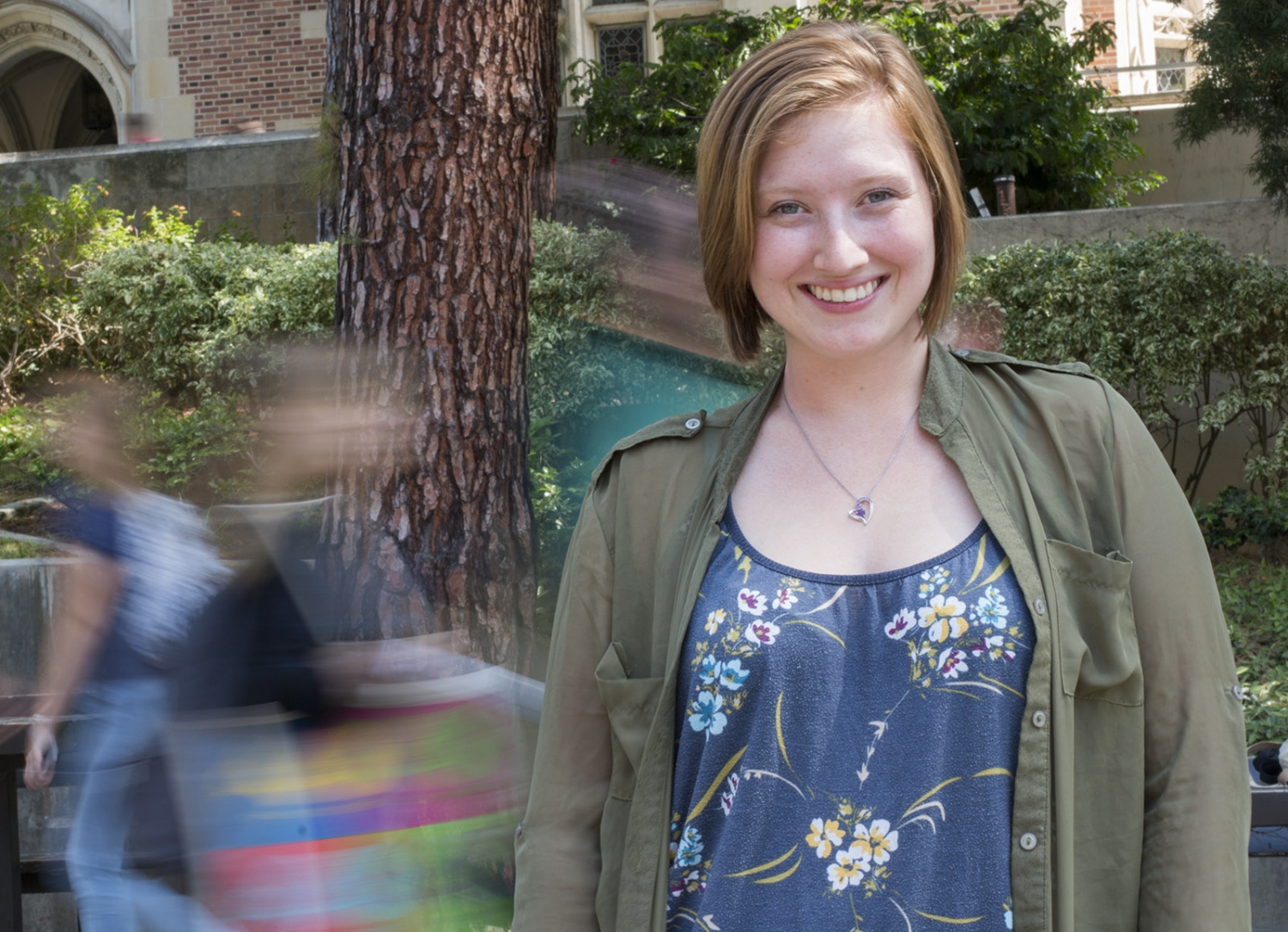
“My involvement as a director of Active Minds at UCLA has really opened my eyes to how vast of a struggle mental illness really is. One in four college students experience mental health difficulties. Forty percent of those students do not seek help. I hope we can educate this campus and the world on mental illness at a personal level and eradicate the stigma caused by cookie-cutter definitions of what living with a mental illness is like. Everyone has a unique experience with mental health and each experience is important and valid. Your experience, no matter how extreme, is worthy of support and validation. There is no threshold for getting help – if you are suffering at all, you deserve help.”
(Efren Piñon/Daily Bruin)
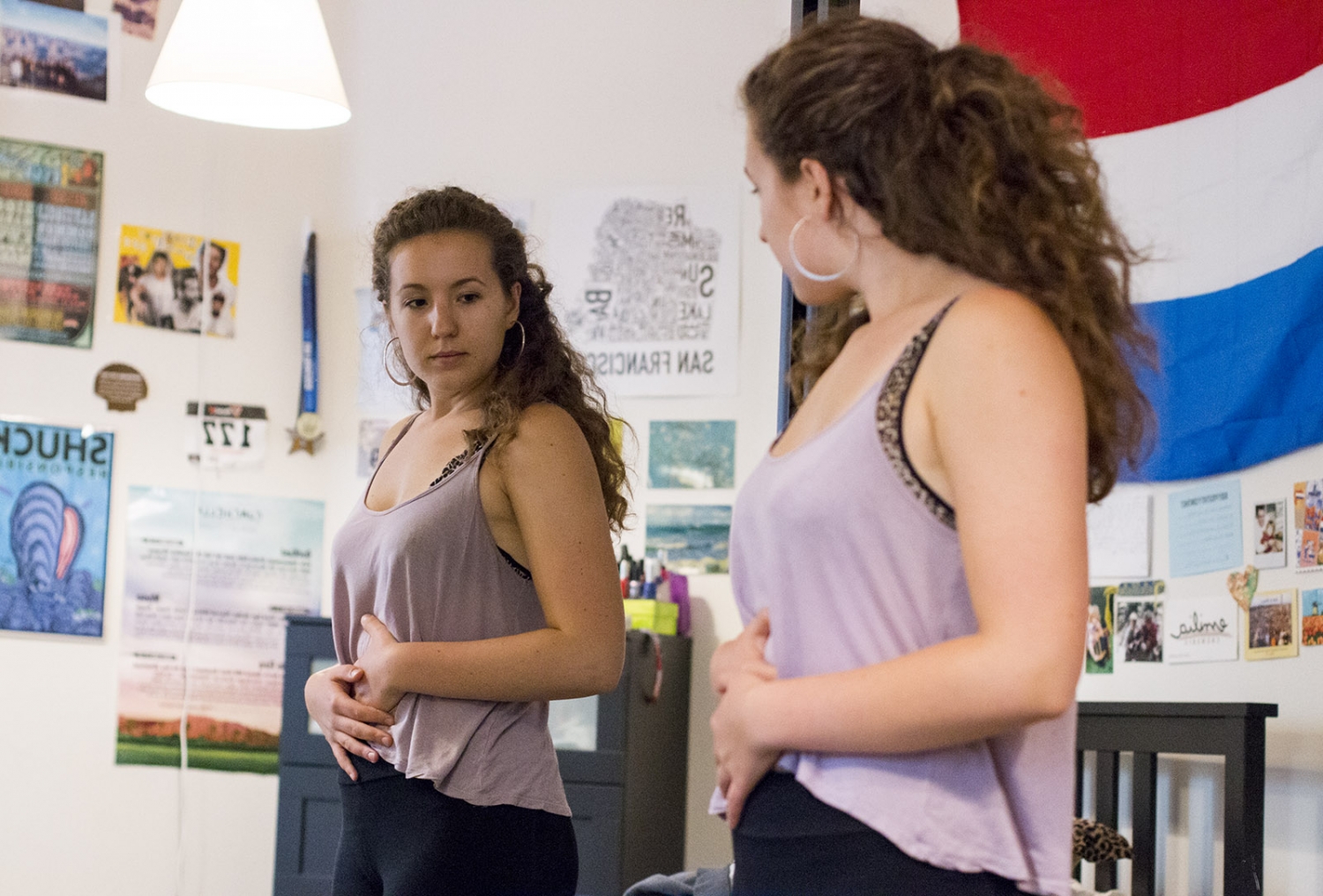
Danielle de Bruin is a third-year sociology student with a double minor in Italian and global health. She developed a poor body image because of her anxiety and depression. De Bruin learned how to love herself unconditionally by accepting her mental health. “For most of my life I believed my mental health struggles didn’t warrant attention because the things I was struggling with were not as ‘serious’ as those with ‘real’ mental problems. But they are serious. After being rejected from my dream major, I was so depressed that I avoided my friends and felt lethargic for months. Sometimes I experience anxiety so intense that it causes insomnia that keeps me up for hours night after night. For me, periods of depression and anxiety further lead to poor body image. I try to change my body instead of addressing whatever else in my life is inducing the feelings of depression or anxiety.”
(Efren Piñon/Daily Bruin)
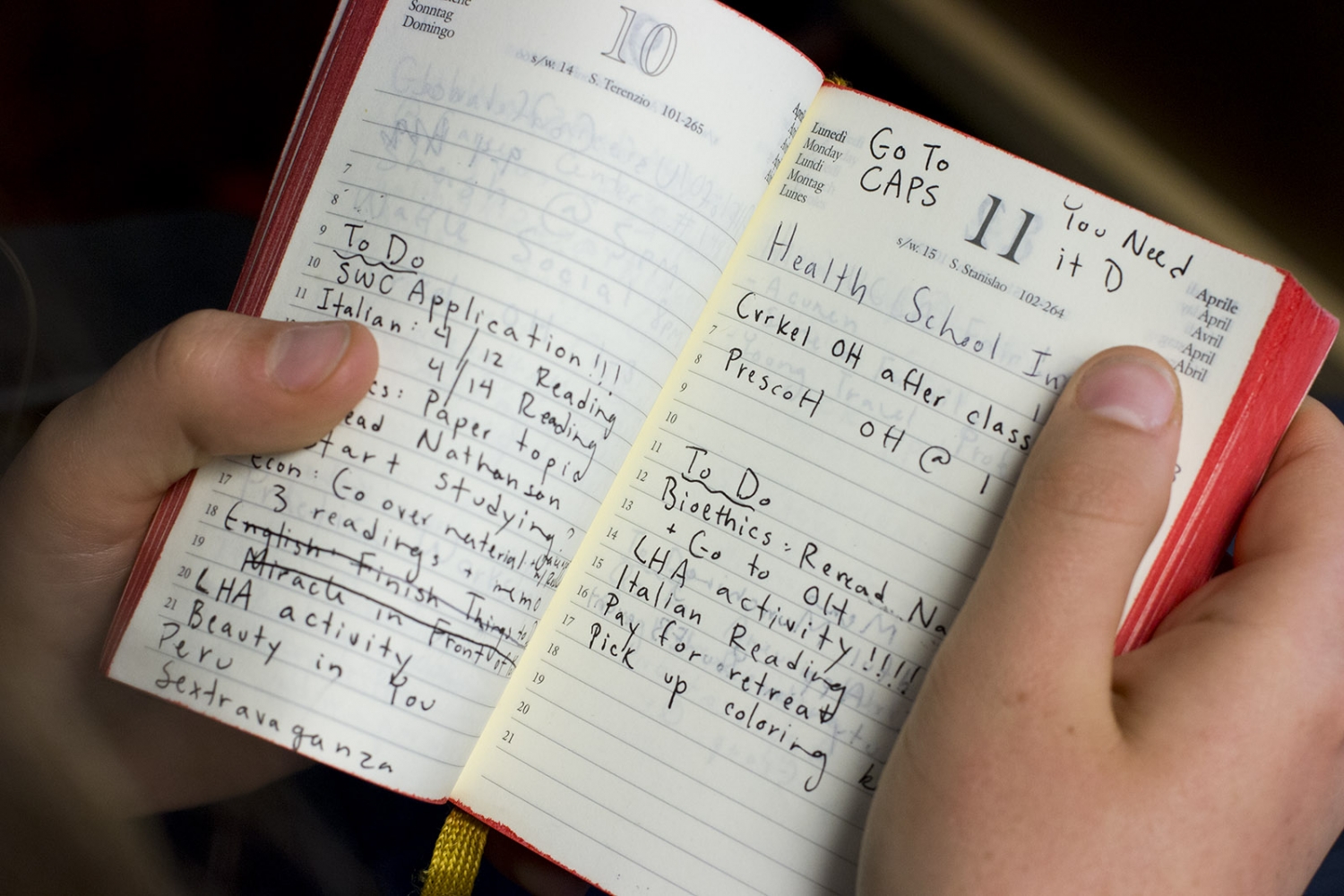
“Coming to UCLA and joining the Student Wellness Commission and Body Image Task Force helped me to debunk my perception of mental health as dichotomous and finally see it is as a spectrum. To be mentally healthy is not to be free of mental illness; rather, it is to care for your mind just as proactively and lovingly as your body and to seek resources, treatment or guidance if you need it. Mental health is health; we all have it and need to care for it. Today, I see a therapist regularly, but I’m still learning. I’m still learning that it’s OK to admit that sometimes I’m not OK, that I deserve mental health care without a diagnosis and that my mental health is nothing to be ashamed of. I am still learning to respect my mind and its limits, to find beauty in its imperfections, and to love it unconditionally. I hope that one day we’ll have a new normal, one where all people know that they deserve access to mental health resources no matter their situation and one where people can talk about mental health openly and confidently.”
(Efren Piñon/Daily Bruin)
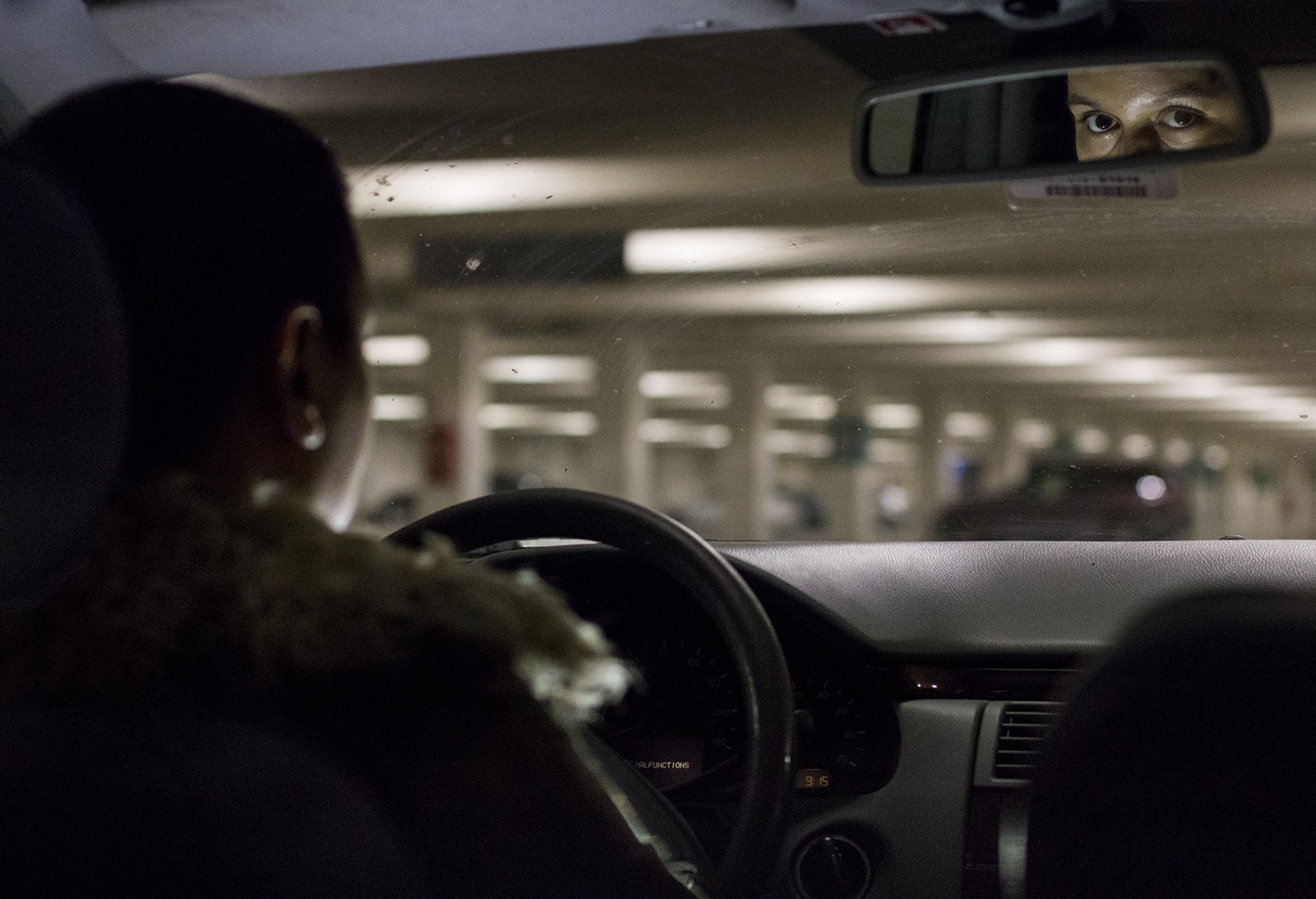
Zinnia is a fourth-year international development studies student with a minor in African-American studies. She is also a photo contributor for the Daily Bruin. Zinnia was diagnosed with anxiety and bipolar disorder at 19. “At age 10 I discovered my attachment to being alive was weaker than most people’s. I'm still here 10 years later but at times it feels like I’m hanging on by the frailest of threads. I have anxiety and bipolar disorder, which means I vacillate between a range of unwanted emotional states, the most central of which are depression, mania, and being terrified of everything. If you’ve never experienced depression, picture yourself lying in bed in a dark room where the only part of you that feels alive is the fuzz on your teeth because you haven't brushed them in two weeks and swear there’s something crawling in your mouth. You are the undead living, sentenced to suffer on earth because not even the devil wants to spend time with your sorry ass. On the flip side, mania is like living in the 2008 film ‘Speed Racer.’ Everything is spinning and you desperately want to find the remote control, so you can take yourself off fast-forward mode but it's not that easy. Now, try to manage all of that while dealing with anxiety that makes even the simplest activities turn into all-day ordeals and leaves you living under the constant threat of a panic attack.”
(Efren Piñon/Daily Bruin)
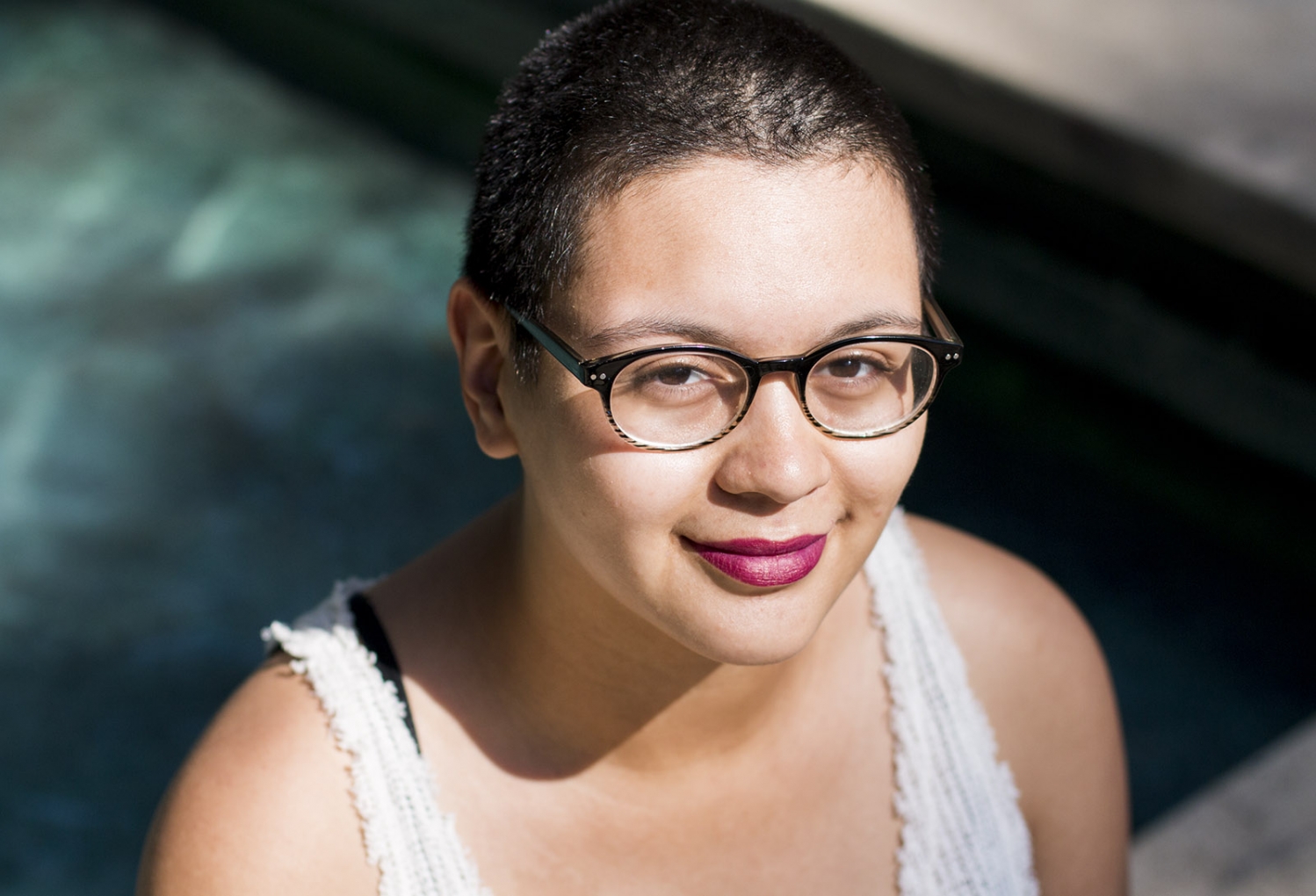
“I’ve truly come a long way since starting treatment six years ago. I left high school at age 15 because I couldn’t handle it anymore but now am only a few weeks from graduating UCLA. But even with my progress, bipolar disorder is a forever illness. There’s no unifying characteristic for people with mental illnesses. Anyone is susceptible, your parents, friends, neighbors, even the bald-headed girl in your class with the shitty attendance. Yes, there are cement blocks tied to my ankles but I'm still treading water. The future is intimidating, but taking things slowly means acknowledging that it's a success to still be here at all, something I would not have expected at the onset of my depression. The past 10 years have been a tumultuous journey, one that I've mostly kept silent for fear of making others uncomfortable or altering their opinion of me. But spending every second of my life holding a mask of normalcy in front of my face is the real burden. My arms are tired.”
(Efren Piñon/Daily Bruin)
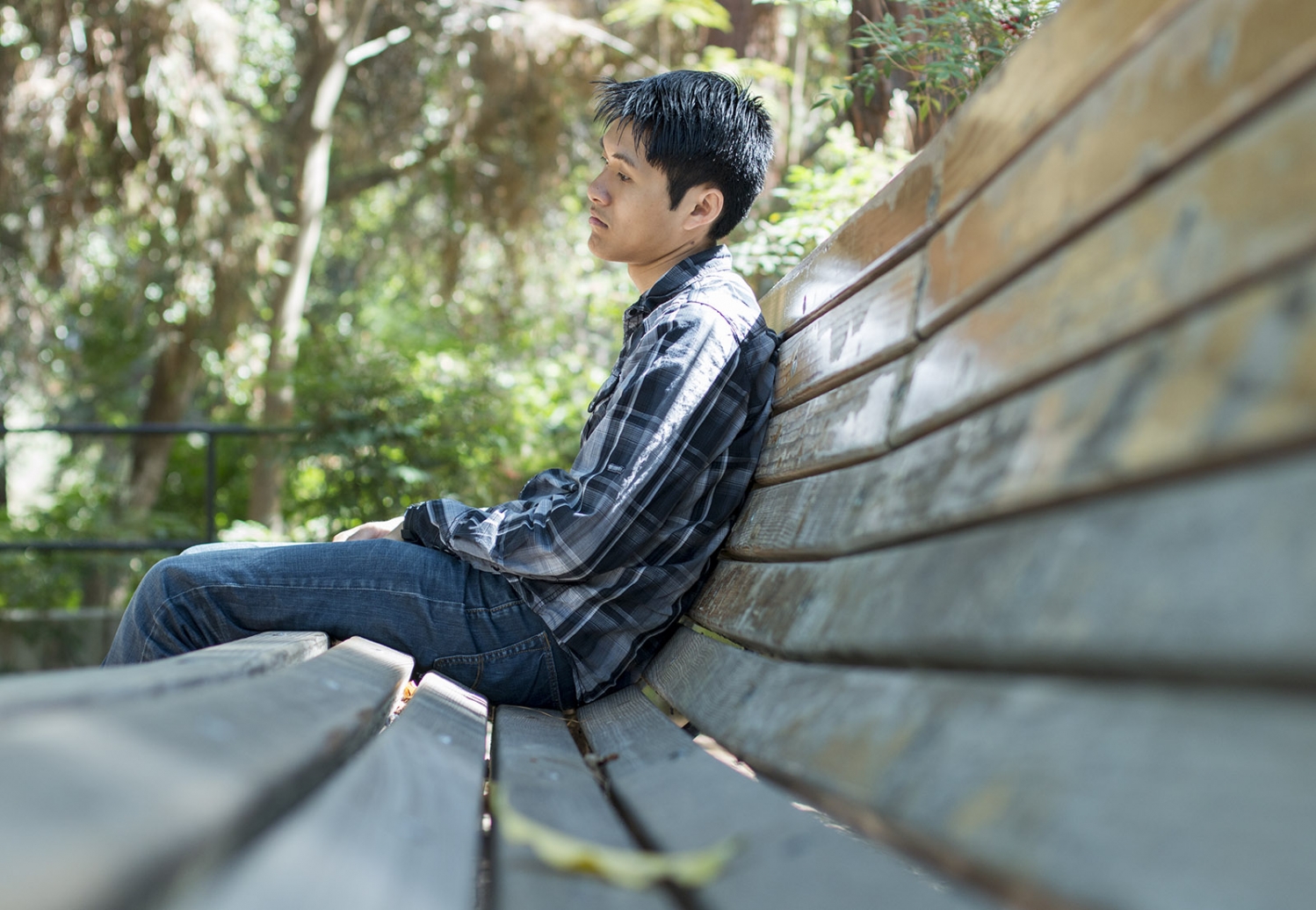
Winn Huynh, a fourth-year chemistry/materials science student, was diagnosed with depression in 2011. He uses his mental health history to teach others how to help those who open up about their depression. “I remember the day like yesterday: May 21, 2011. Growing up, I lived a sheltered life, where I was only allowed to leave home for school-related activities. Then, on that particular day, my mother decided that she had had enough. In the middle of the night, she drove to my friend’s home, started a verbal fight, and dragged me home. The next hour, I found myself contemplating suicide and beginning what I had not known until later: months of depression.”
(Efren Piñon/Daily Bruin)
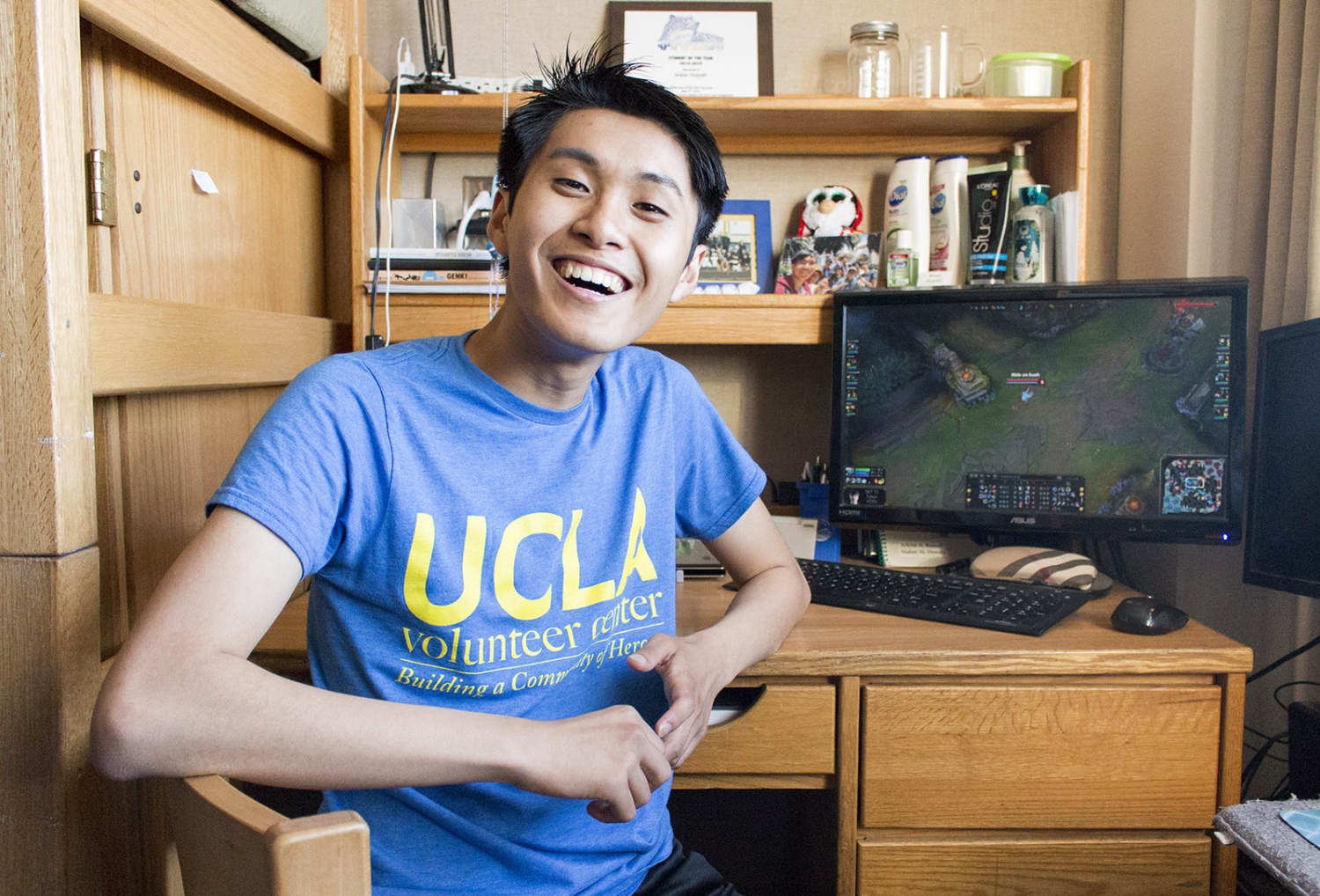
“I will admit that depression was one of my biggest challenges, but it taught me how to appreciate, to write and to live. To cope with depression, I spent time alone, writing poems, participating in online chats and living in the virtual community of Maple Story and League of Legends. I also spent time soul-searching, trying to rediscover who I was rather than to let others – including my friends and family – label me. Perhaps most importantly, though, depression taught me how to help others whom are going through depression, especially in cultures where emotions are less spoken of or where depression is not a common subject.”
(Efren Piñon/Daily Bruin)
“Depression – it doesn’t just happen, and it doesn’t just get better. In fact, most of us don’t even know if or when we will get better. For some, it may mean that they need time alone, and for others, it may be an attempt to seek reasons to stay on earth. But for both groups, what is invaluable is knowing that someone is there to actively listen if needed. If a friend opens up to you about depression, they likely consider you one of their close friends and someone whom they can trust. Listen actively, contribute to helping them, and stray from asserting that depression is ‘normal’ and that ‘it’s just a phase.’ In the end, it may be, but in the moment, it really isn’t.”
(Efren Piñon/Daily Bruin)
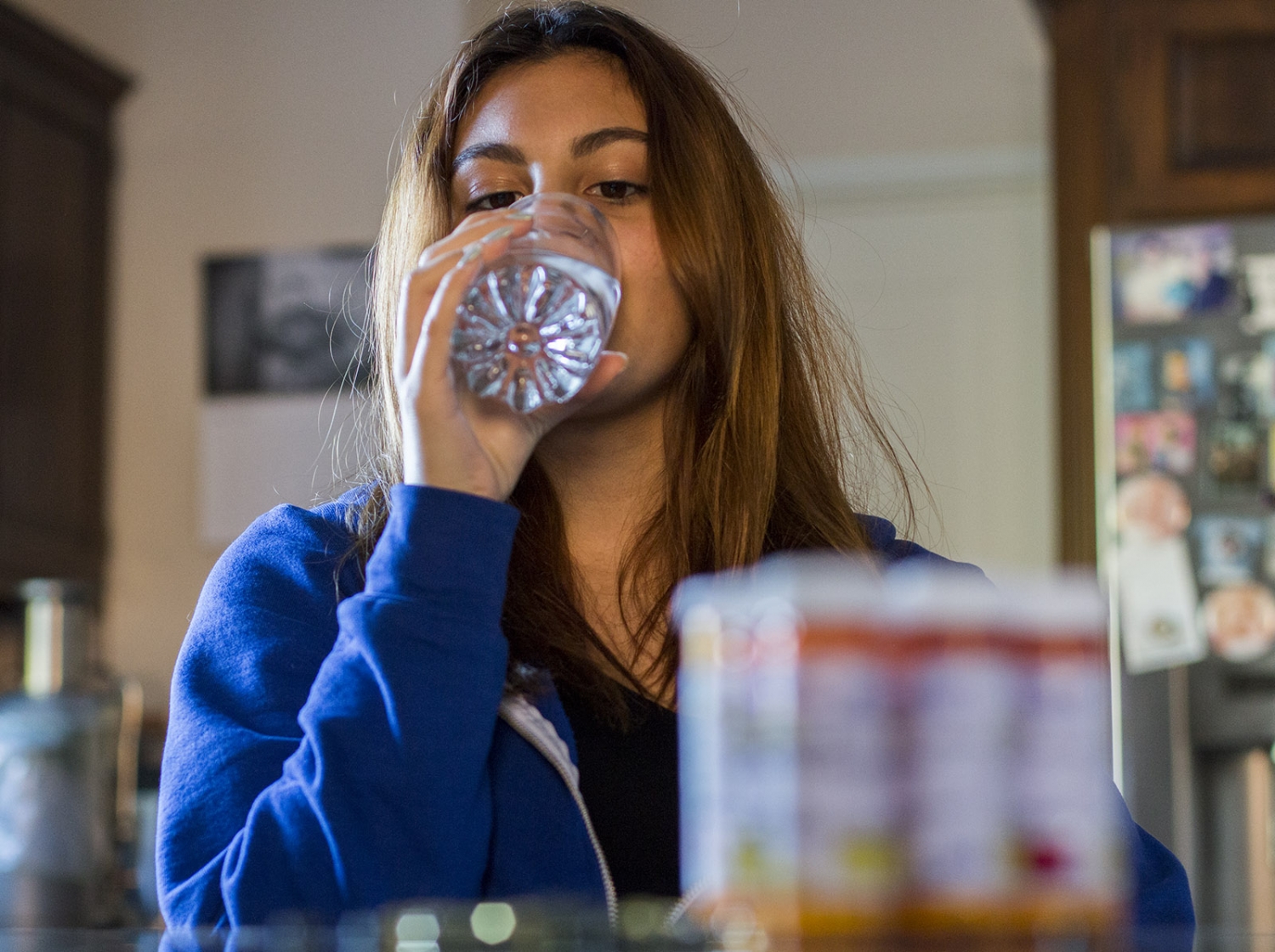
Mali is a third-year French literature student with an English minor. She was diagnosed with depression during her first year of college. Mali finds comfort in spending time with family, including her dog Nala. “It was roughly six years ago when it started. My sister had just gotten into Stanford University, and I was the daughter who could not get higher than a ‘C' in any class. People would make comments about me, about my level of intellect, about my physical features, about my personality. ... I slowly and gradually became a bit more sad every day, up until the feeling completely consumed me. As soon as I thought everything was starting to come together, my mom was diagnosed with breast cancer. It happened again - the feeling slithered through every inch of my body. How could I feel any pleasure whatsoever when I had to see my role model struggling to walk and in excruciating pain?”
(Efren Piñon/Daily Bruin)

“Fortunately, she beat the cancer, but it seems as though there are still gloomy days. I recently adopted a dog from a kill-shelter and feel as though it has changed me in a way – she is only a puppy, so her high spirits evoke mine. Even though, I still take my inept wonder drug at the same hour every evening and lend my perception to a woman who reputably knows it all. The only way I survive it: writing out the blahs and lows on a piece of paper for everyone to read, while forging it as whimsical to keep them from questioning me about it.”


