






IN THE NEWS:

Outside the binary
By Daily Bruin Staff
June 5, 2016 12:00 p.m.
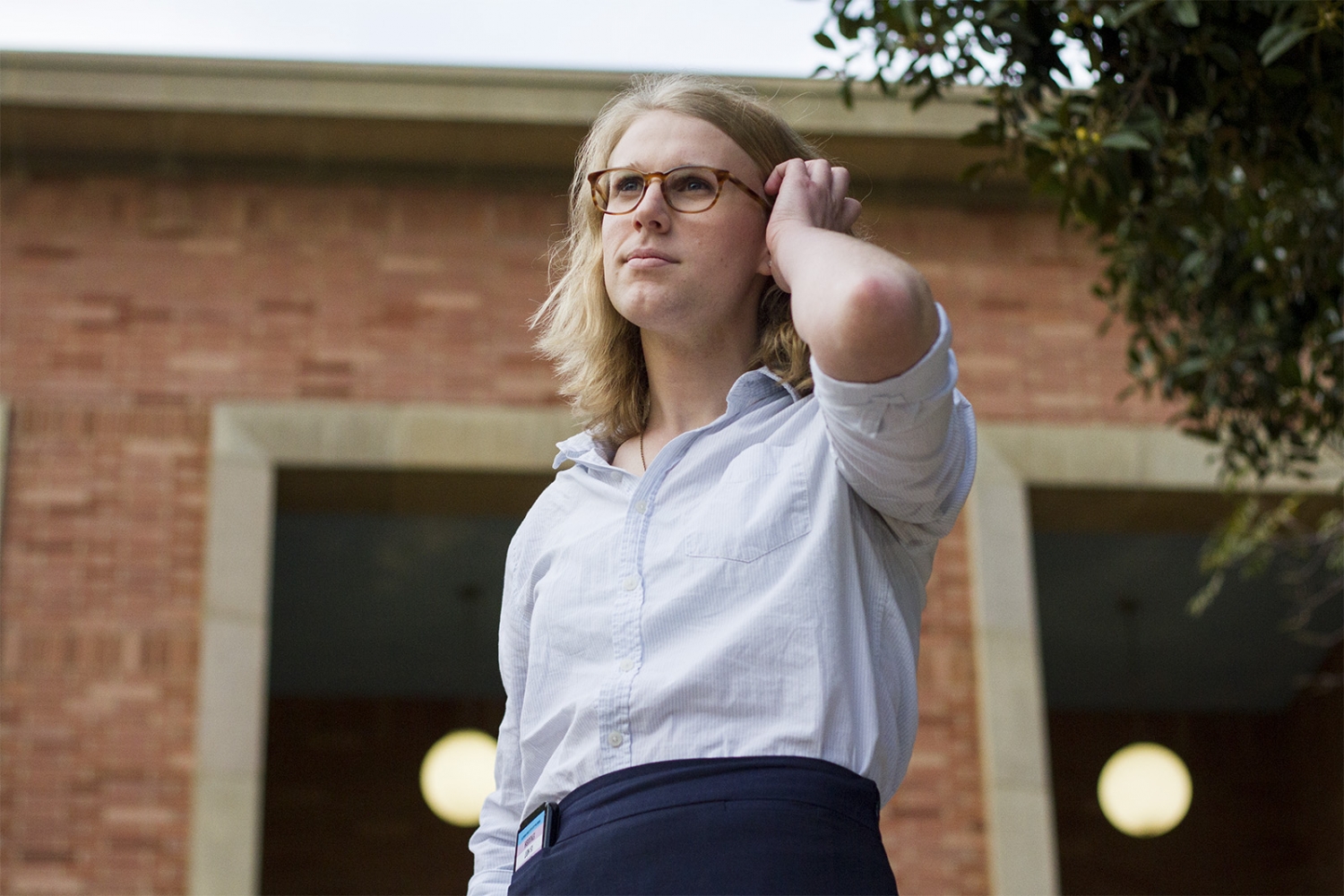
Aubrey Sassoon, a graduating fourth-year anthropology student, is pursuing higher education student affairs administration. Sassoon is a co-coordinator at TransUP, where she helps facilitate weekly dialogue meetings. Additionally, as a student representative on the UCLA Transgender Advocacy Task Force, Sassoon works with administration and staff from all across campus to bring a student perspective towards the work of supporting transgender and gender-nonconforming students at UCLA.
(Kira VandenBrande/Daily Bruin)

"I think UCLA is too big to generalize in any way when it comes to support for trans students. I personally feel really supported by the administration, but I worry that a lot of that is in part due to my interest in higher education administration as a career."
(Kira VandenBrande/Daily Bruin)
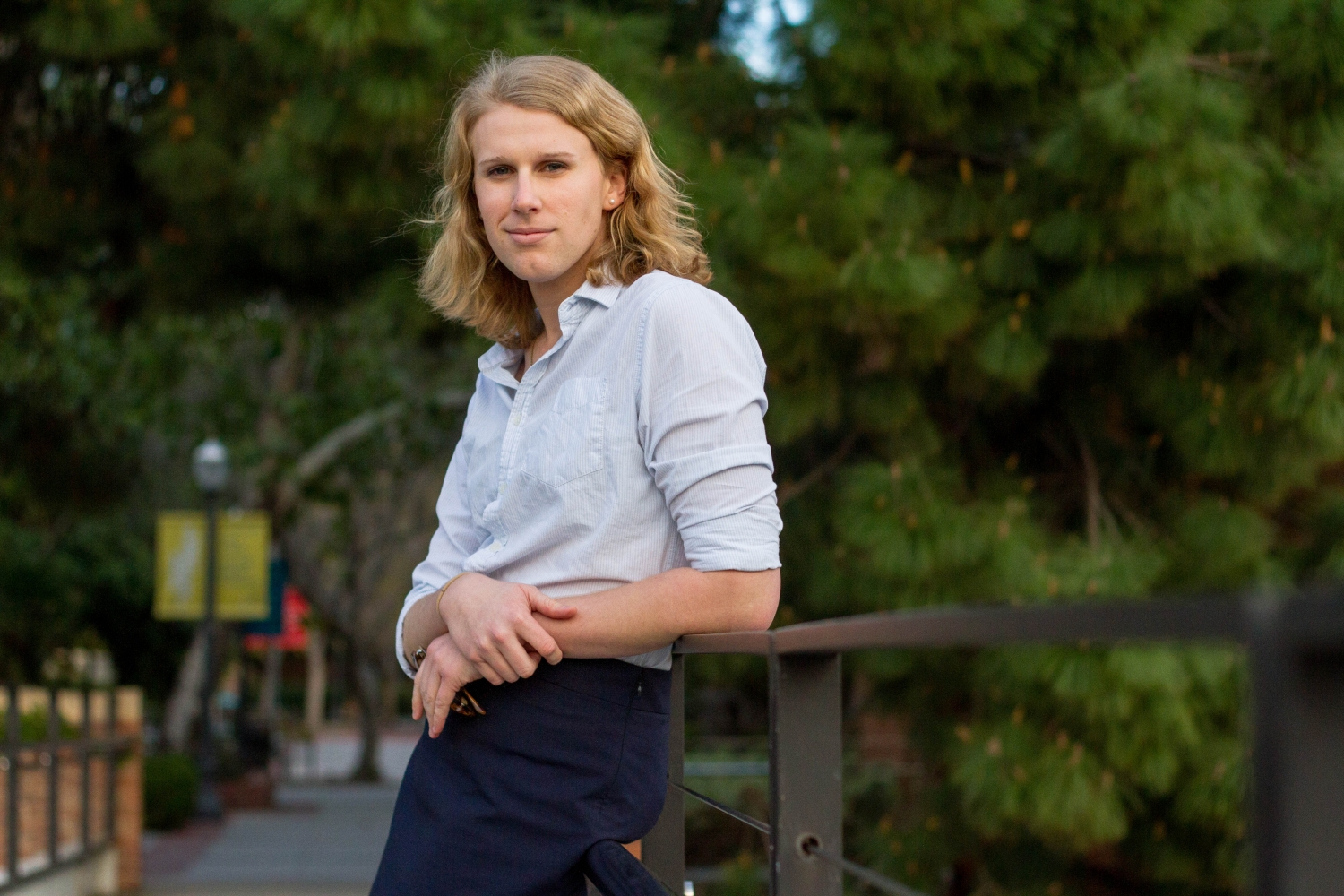
"I think it’s really dangerous to talk about any kind of identity as being defined by ‘needing to be fixed’. It’s not about fixing, it’s about making sure that people feel affirmed, that people feel like they are included."
(Kira VandenBrande/Daily Bruin)

"We need to standardize a lot of the policies we have gotten. A lot of these things are word of mouth and they’re reliant on particular people to be gatekeepers. I sit on the transgender advocacy task force under the LGBT Affairs Committee and I also am a co-coordinator of Transgender UCLA Pride."
(Kira VandenBrande/Daily Bruin)
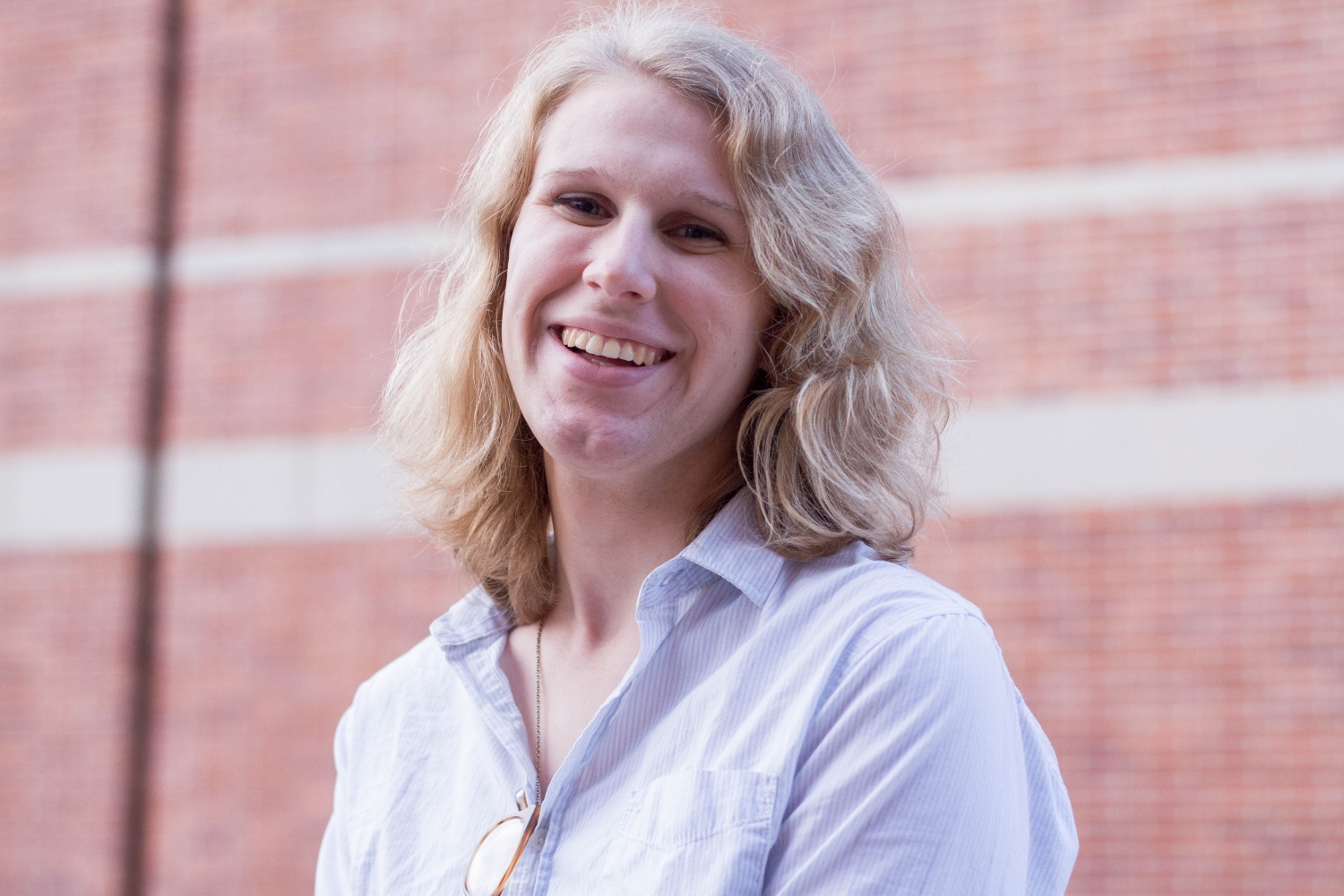
"A lot of the ways that we can support trans students isn’t just by supporting trans students, and we see this with the “preferred name policy.” The biggest users of the “preferred name policy” are not trans students, they are international students, they are people who don’t like their first name, they’re people who like to shorten their name… Having gender inclusive restrooms isn’t just supporting trans students, it’s supporting students with dependents, it’s supporting people who don’t feel comfortable using larger restrooms, it’s supporting people who just need a little space from the world. It’s about being more conscious about the way we include gender in legal documentation or formal letters, shifting away from ‘his or her’ language to a more affirming ‘they’. It’s not just supporting trans people, it’s supporting gender equality."
(Kira VandenBrande/Daily Bruin)
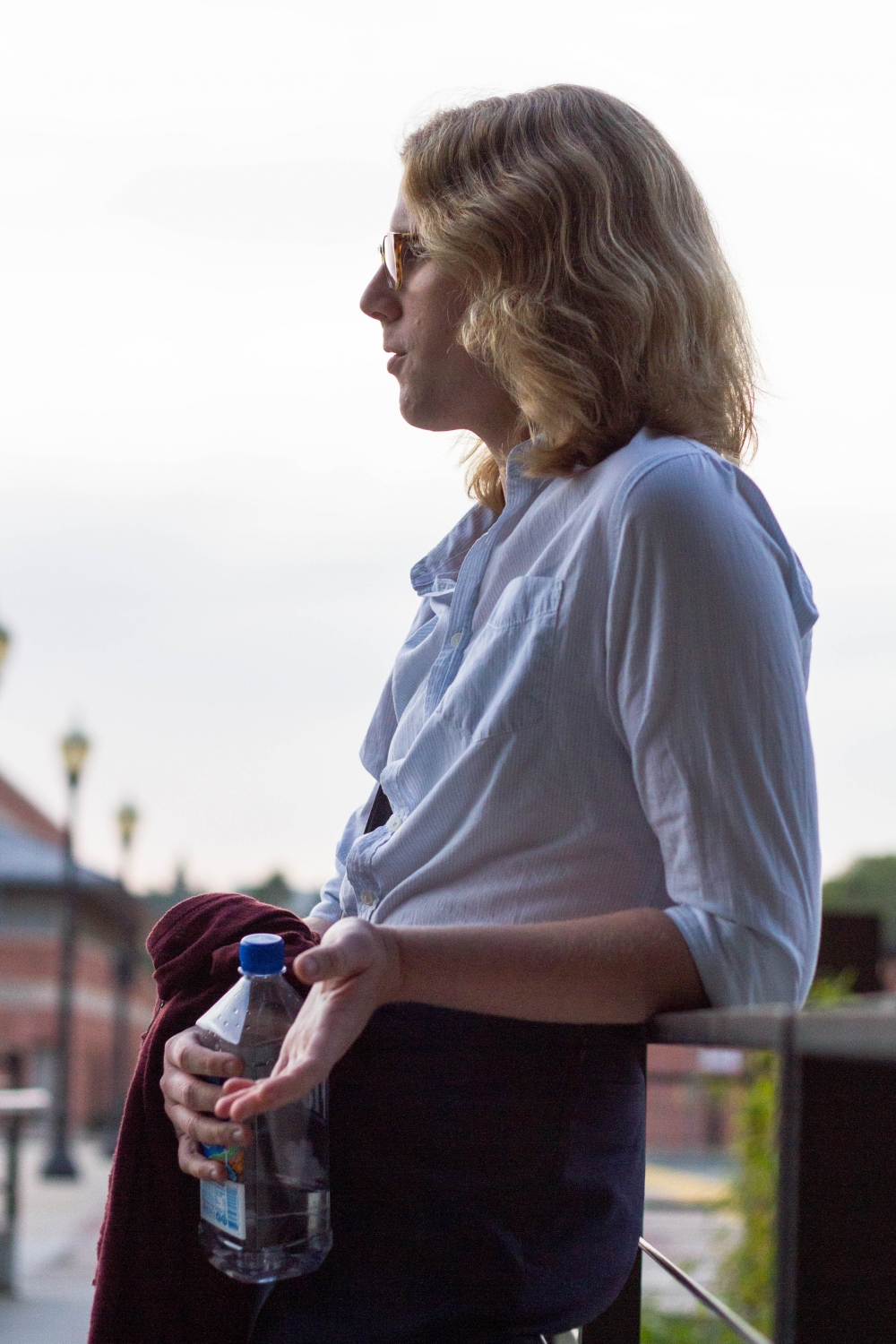
“I see a lot of the issues with CAPS not as issues with the quality of the care, but with their ability to carry out the demand as well as their ability to stay with students who are having a lot of issues…. I haven’t met any administrator who doesn’t think that more money should go to CAPS, they’re doing a really good job with what they have, it’s just that what they have is not nearly enough.”
(Kira VandenBrande/Daily Bruin)
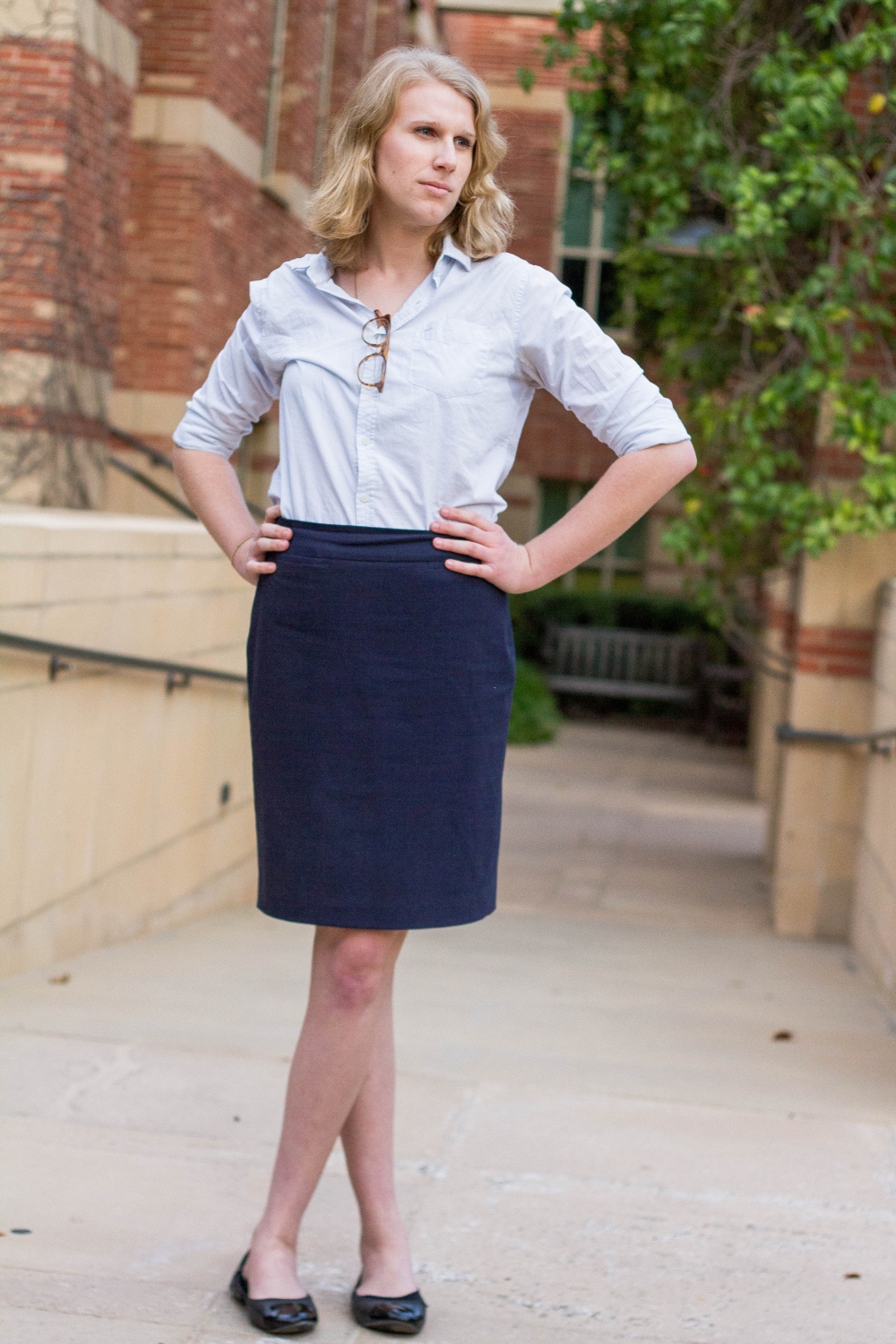
"I think trans identity is just a way to really clearly see gender disparity, anxiety about gender differences and anxiety about people with indeterminate expression and bodies even who don’t fit into the gender binary. There are plenty of cis people who don’t fit into the gender binary. What does the gender binary mean at all when it comes to expression? How can you say that this is male or female? It all just entirely human constructed."


