






IN THE NEWS:

Challenging the Groove

By Miriam Bribiesca
April 7, 2016 11:02 a.m.
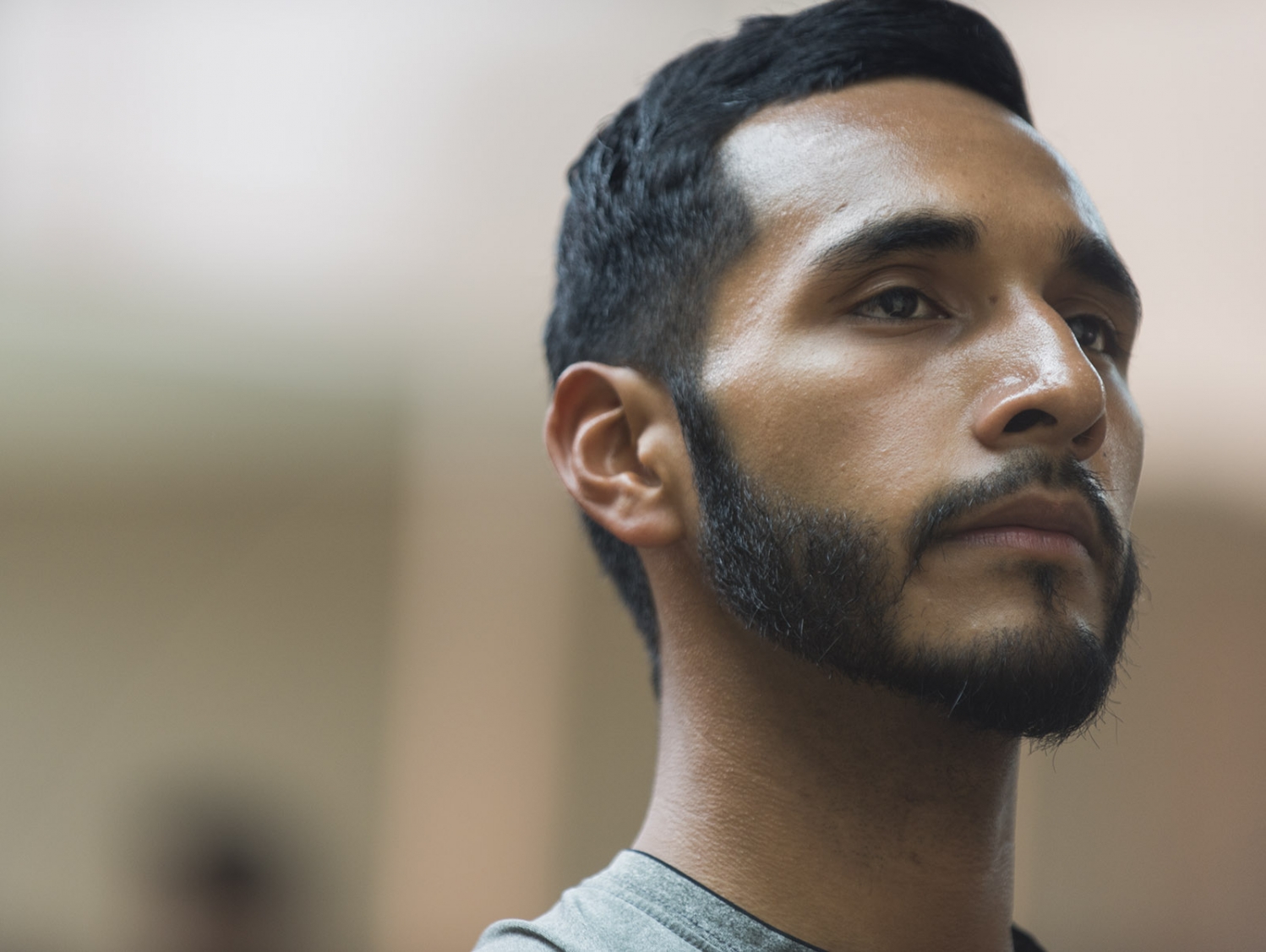
Julio Ulises Medina remembers dancing salsa and punta with girls at quinceañeras, as well as grooving to hip-hop and reggaeton during middle school dances.
(Miriam Bribiesca/Daily Bruin)
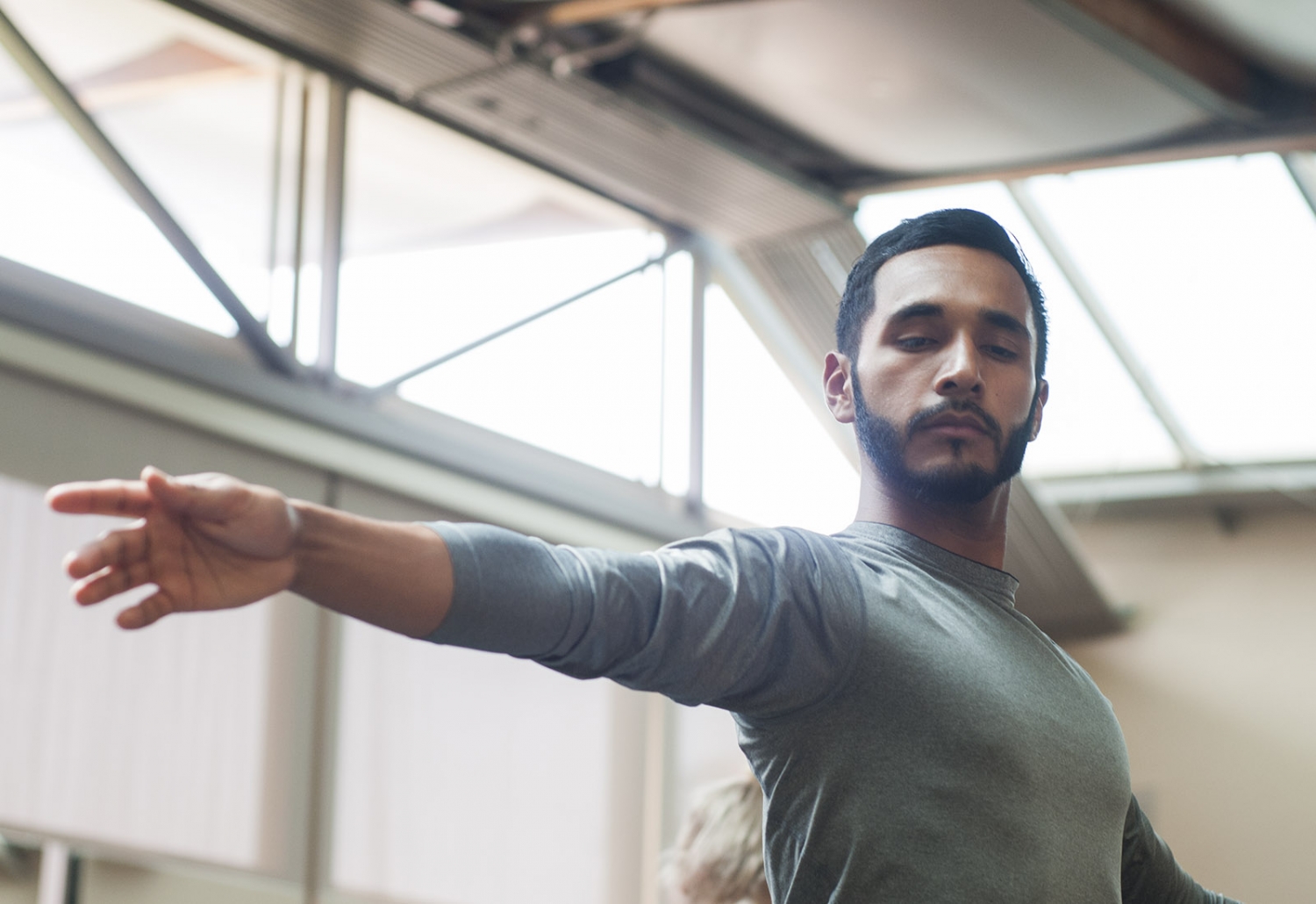
Since junior high, Medina has always noticed the different dynamics between genders in his social life. He began thinking about his own masculinity and how it fit into the typically male-dominated hip-hop genre.
(Pinkie Sue/Daily Bruin)
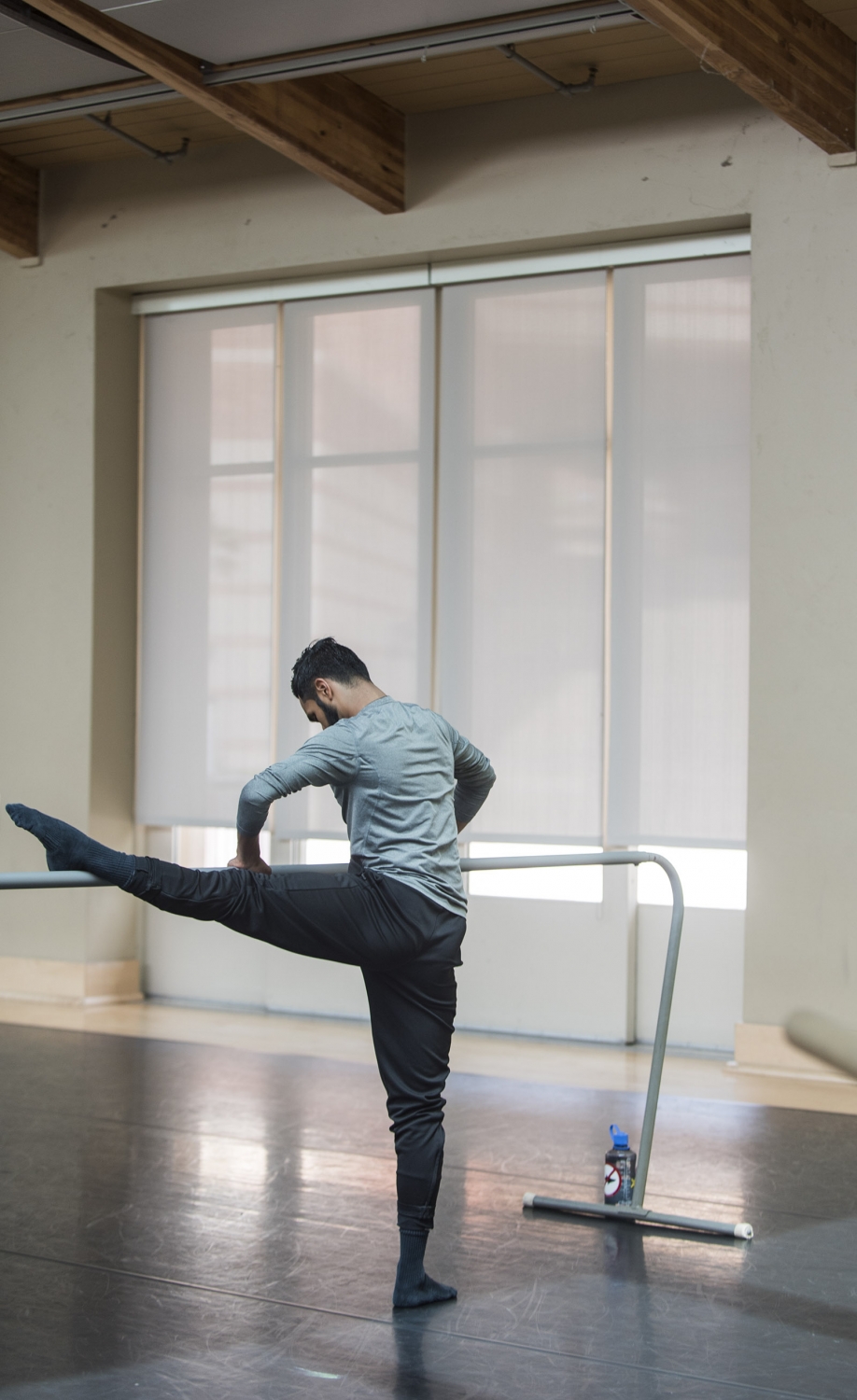
Medina grew up in South Central Los Angeles, where he was surrounded by break dancing and hip-hop in school and on the streets.
(Miriam Bribiesca/Daily Bruin)
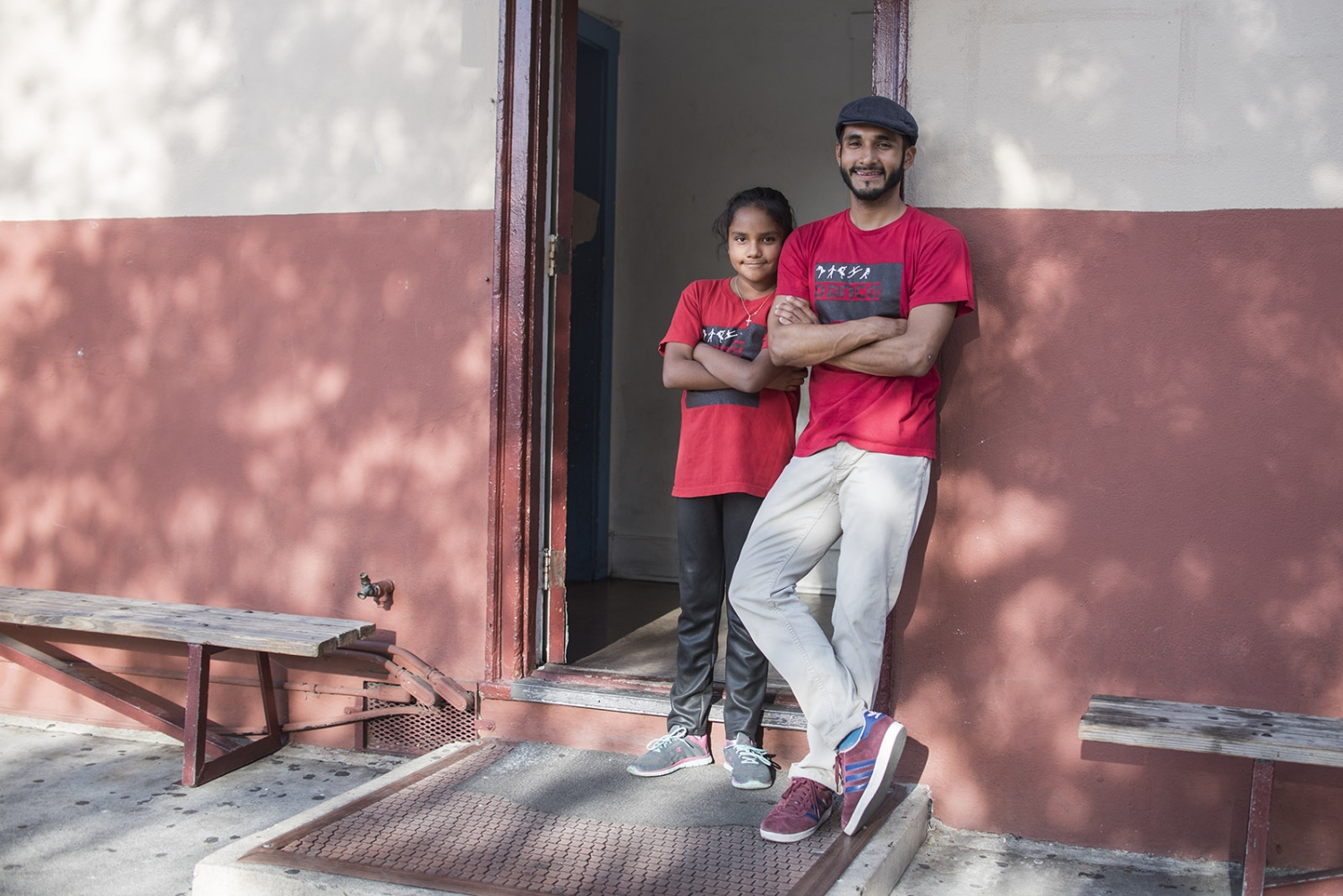
Medina’s 10-year-old sister, Andrea, said she wants to be a dancer like her brother when she grows up.
(Miriam Bribiesca/Daily Bruin)
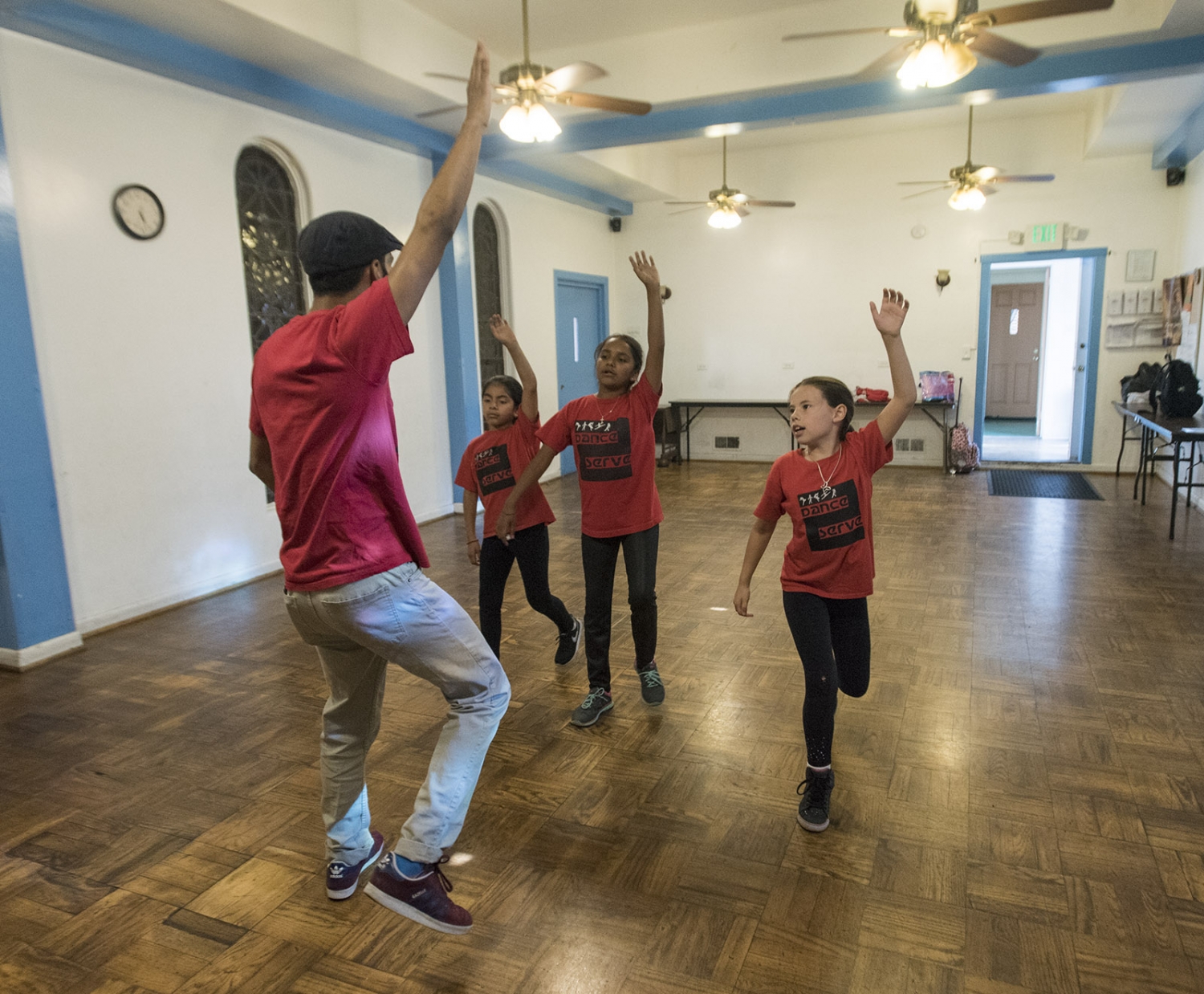
Aside from being extremely proud of her brother, Andrea also loves taking the hip-hop and ballet classes her brother teaches at St. Agnes Church in downtown LA.
(Miriam Bribiesca/Daily Bruin)
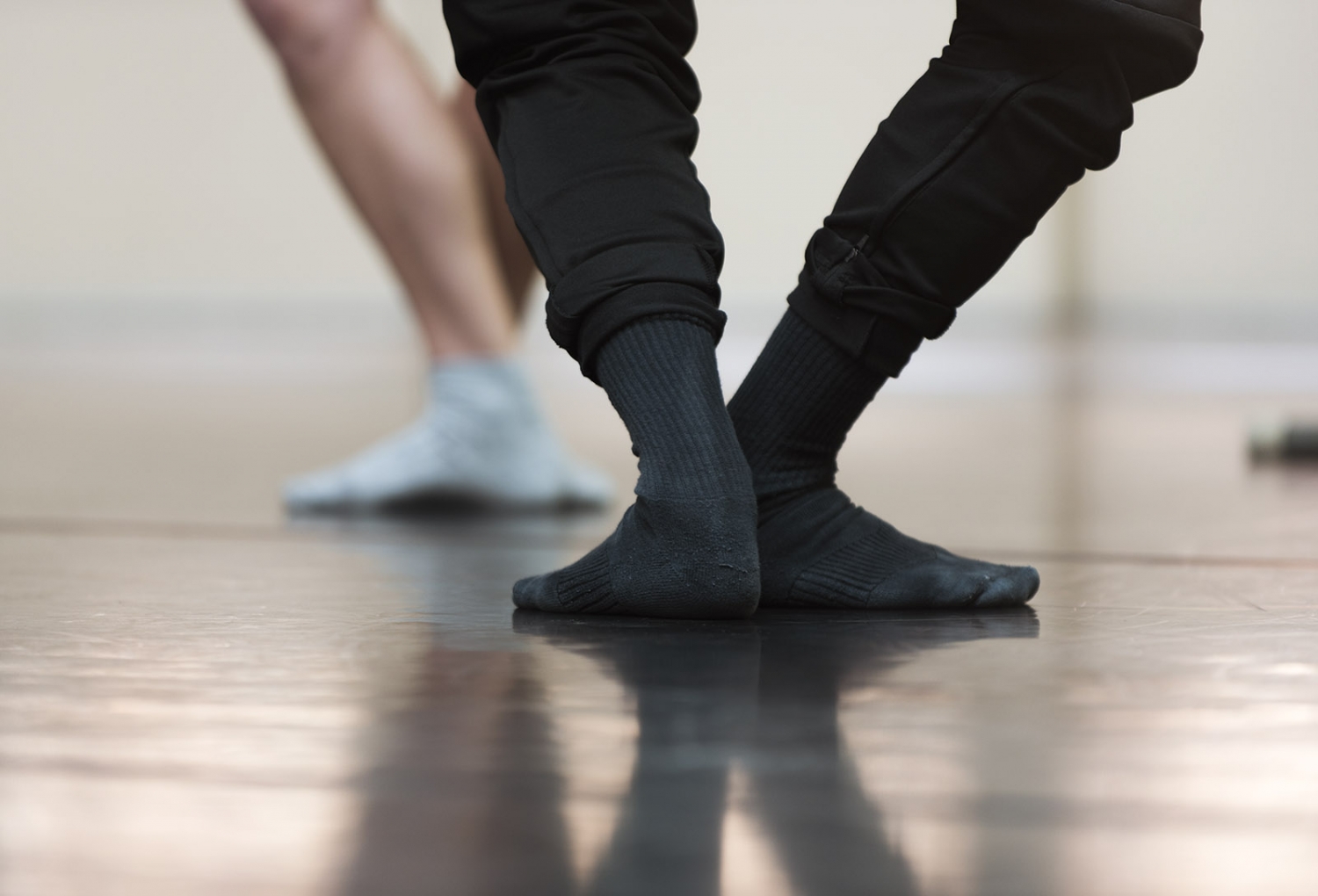
Medina would sometimes sneak out of his room and into his driveway late at night to krump. The dance was a way for him to channel the frustration he faced growing up in a poor neighborhood.
(Miriam Bribiesca/Daily Bruin)
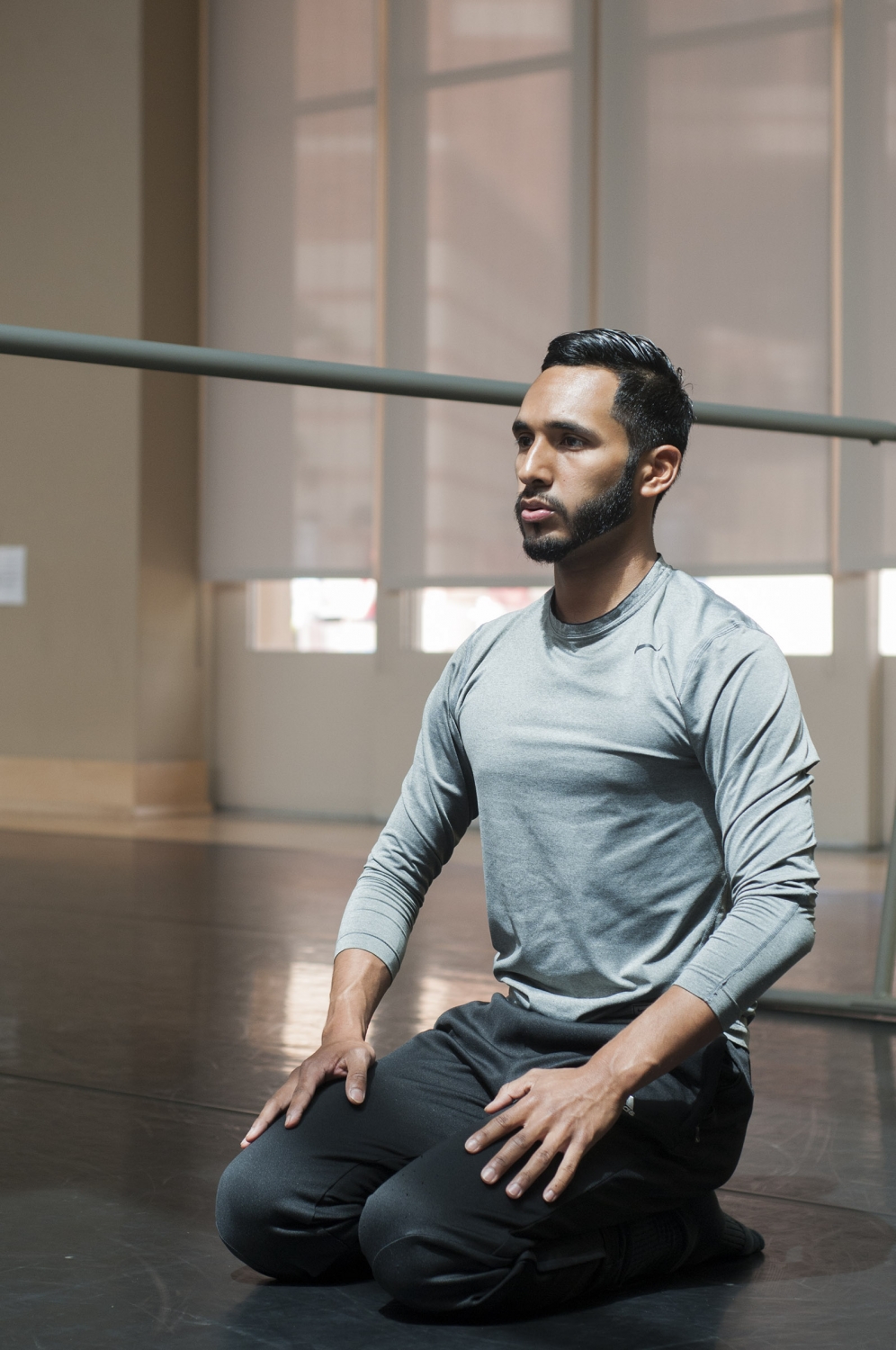
"If you're not directing the anger towards another person, then you're directing it to the universe, to God," Medina said. "(Dance) lets me release my tensions."
(Pinkie Sue/Daily Bruin)

“The fact that most of us were low-income resonated with what hip-hop is in itself: a resistance to oppression,” Medina said.
(Miriam Bribiesca/Daily Bruin)
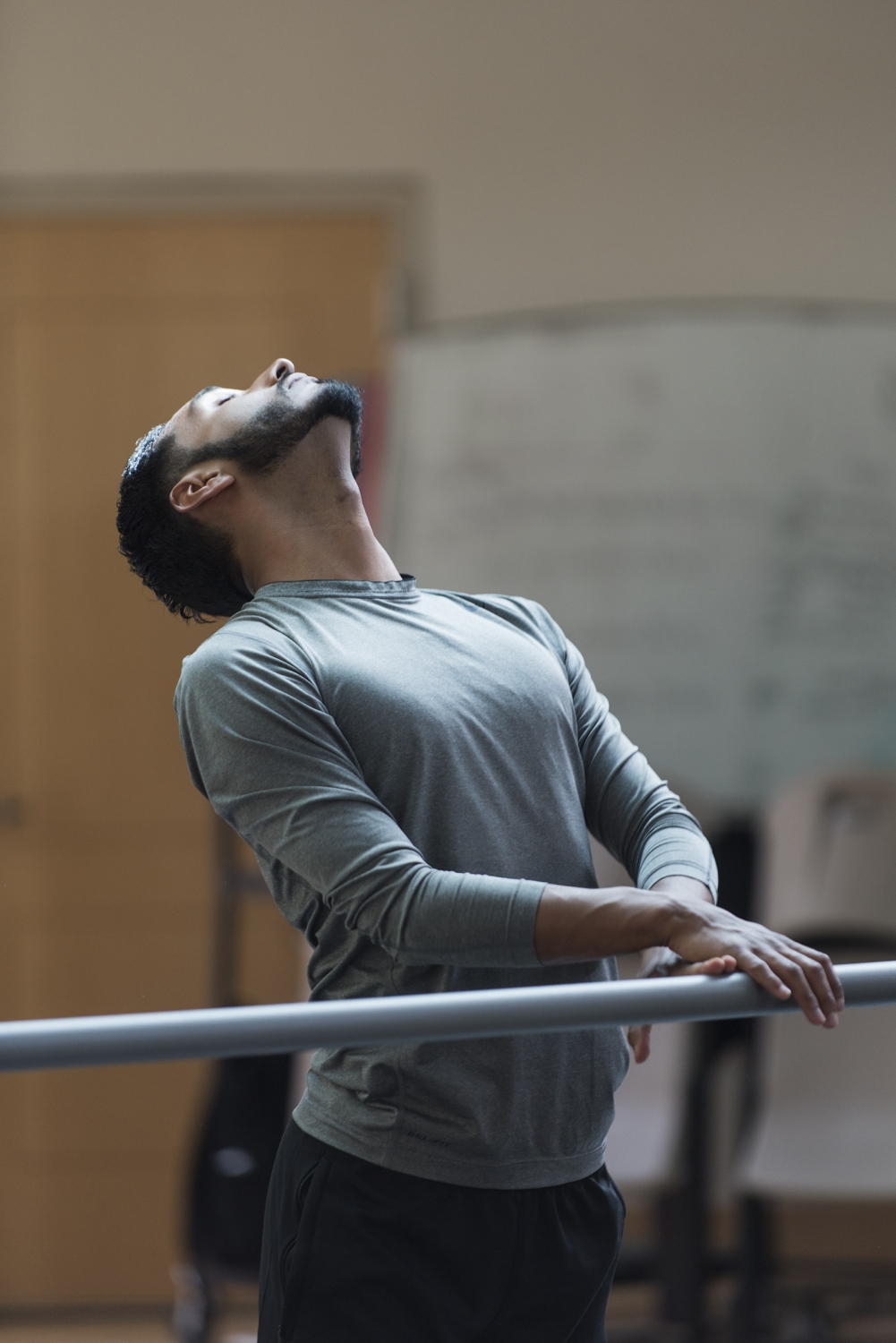
Medina is now interested in how dance portrays race and masculinity through hip-hop and break dance.


