






IN THE NEWS:

Daily Bruin Abroad: The Northern Arctic Circle
By Daily Bruin Staff
Aug. 16, 2015 6:26 p.m.
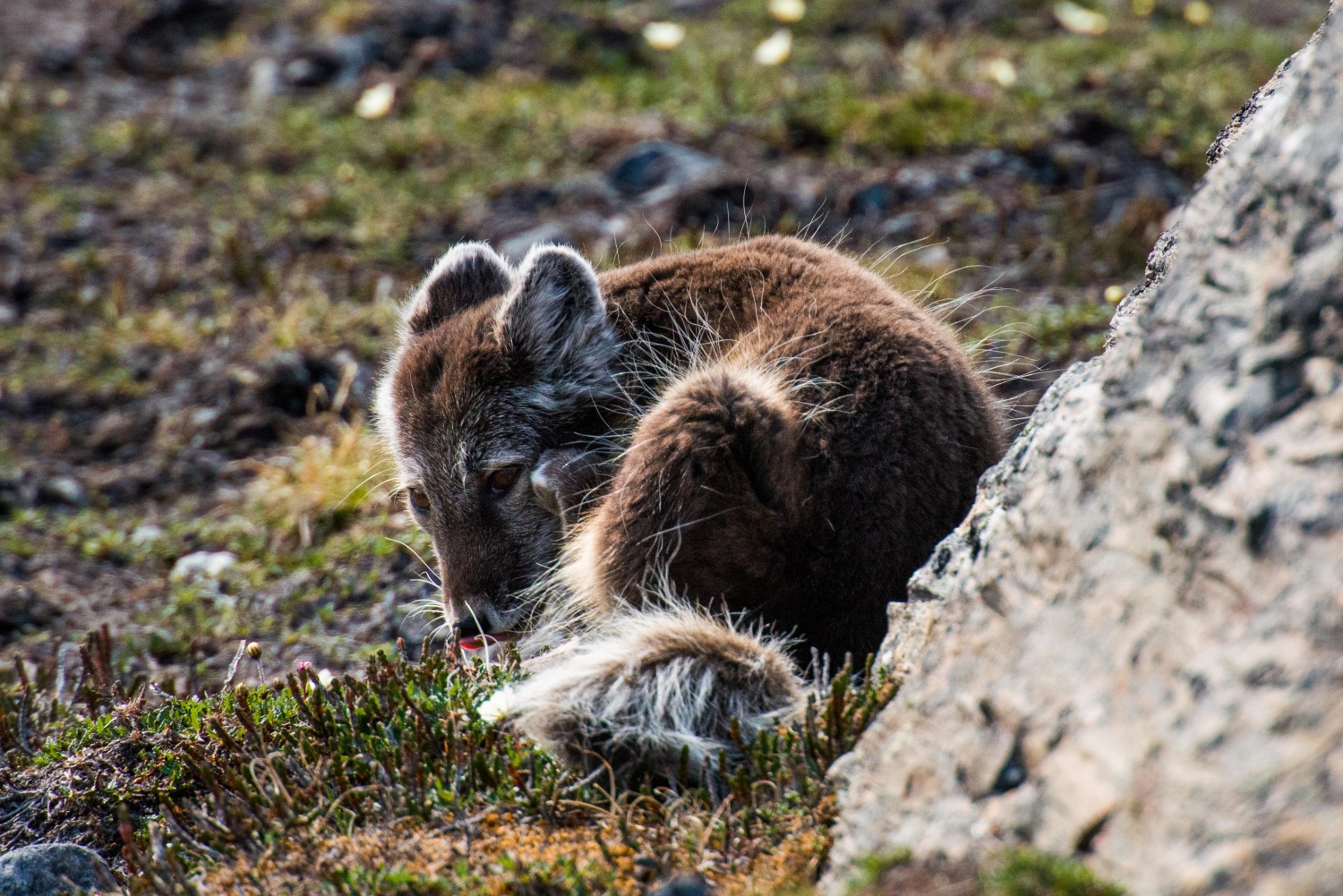
The arctic fox usually resides near bird colonies, as the unhatched chicks are its main source of food. During the winter the arctic fox can grow enough fur on its tail that it remains completely insulating, wrapping the tail around its entire body like a blanket. This can keep the small creature's body temperature around 95 degrees, even when the temperature drops to around -60.
(Max Himmelrich/Daily Bruin)
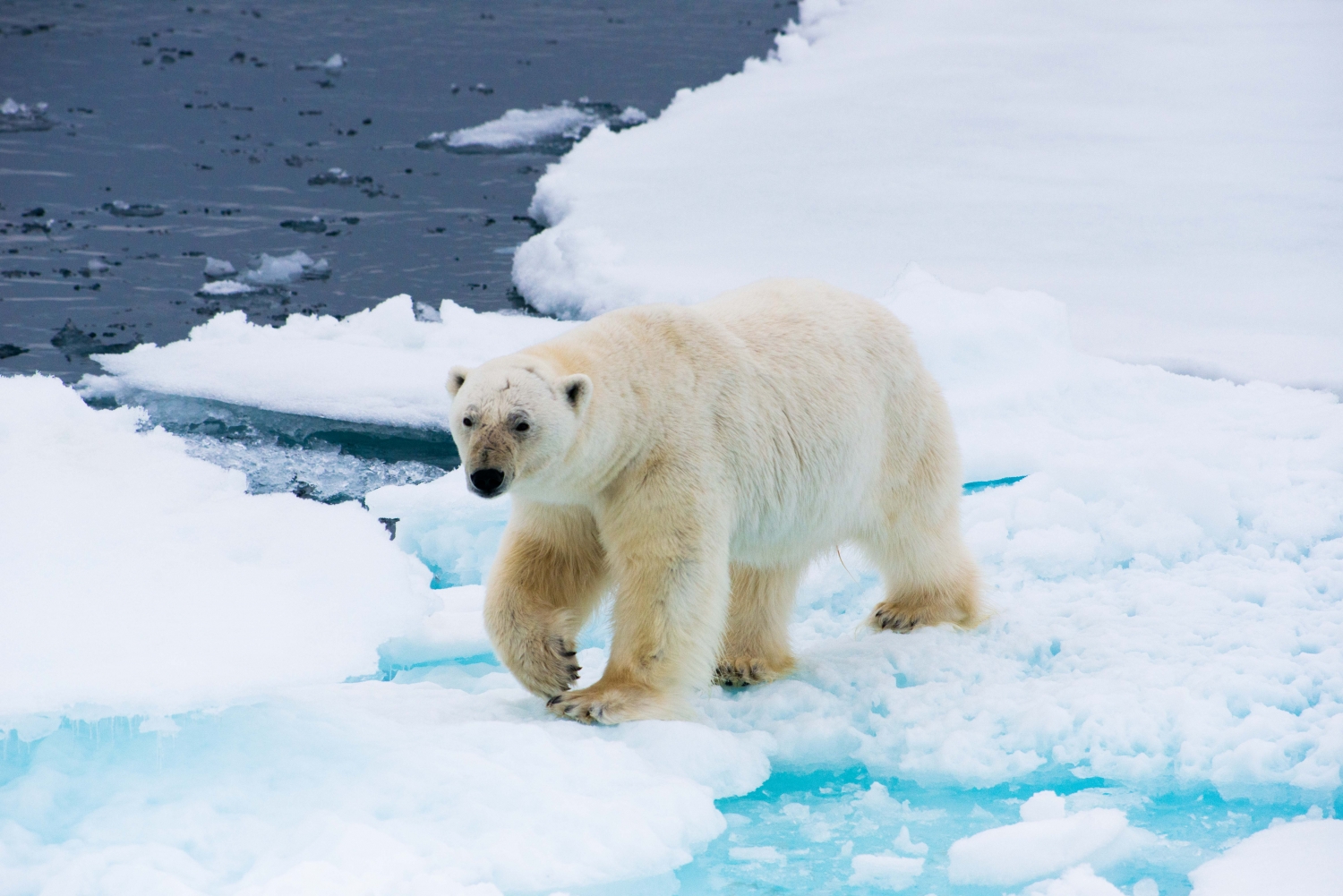
A polar bear moves across pieces of pack ice in the northern portion of Svalbard. This bear was one of the largest we saw during our expedition, estimated to be around 1,000 pounds.
(Max Himmelrich/Daily Bruin)
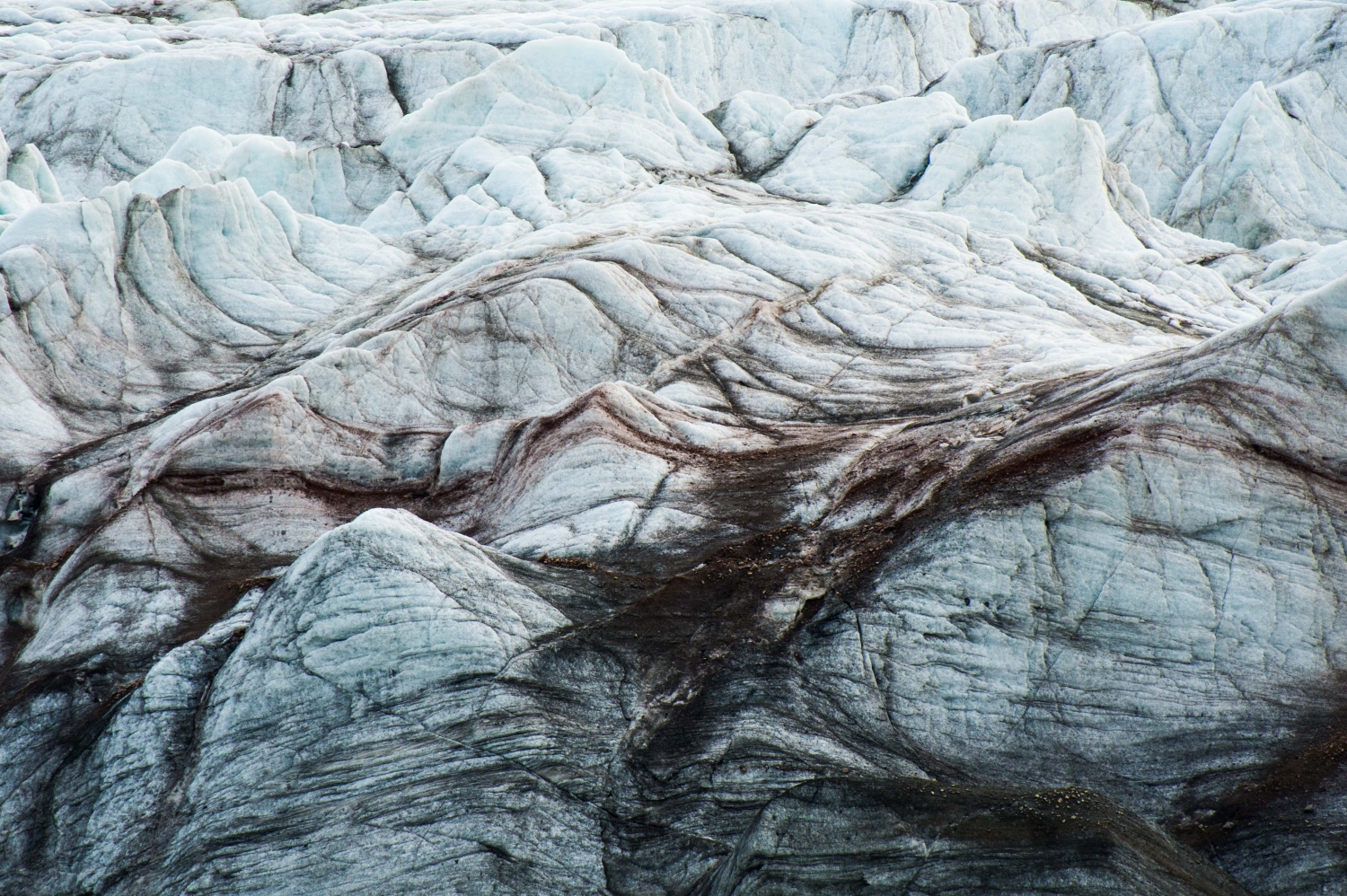
Runoff from the melting ice carries dirt down the side of the glacier, which forms a brilliant texture along the side of the stone walls. The color is trapped inside during the winter, and actually remains even in the summer months when rock is exposed from beneath the melted ice.
(Max Himmelrich/Daily Bruin)
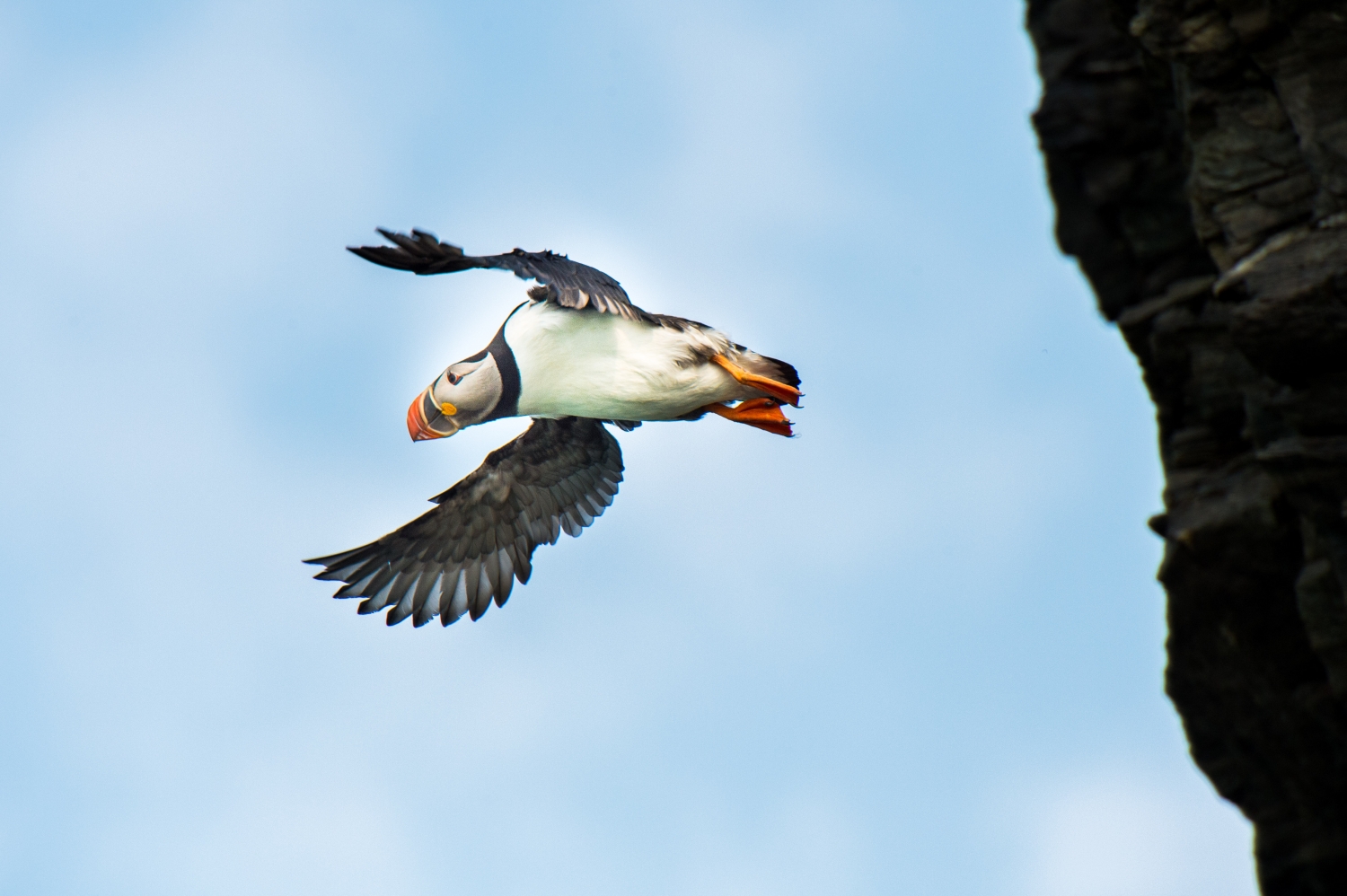
An Arctic Puffin takes flight over the waters of Ny London. These birds reside in Svalbard only from May to late-August, then retreat south for the winter months.
(Max Himmelrich/Daily Bruin)
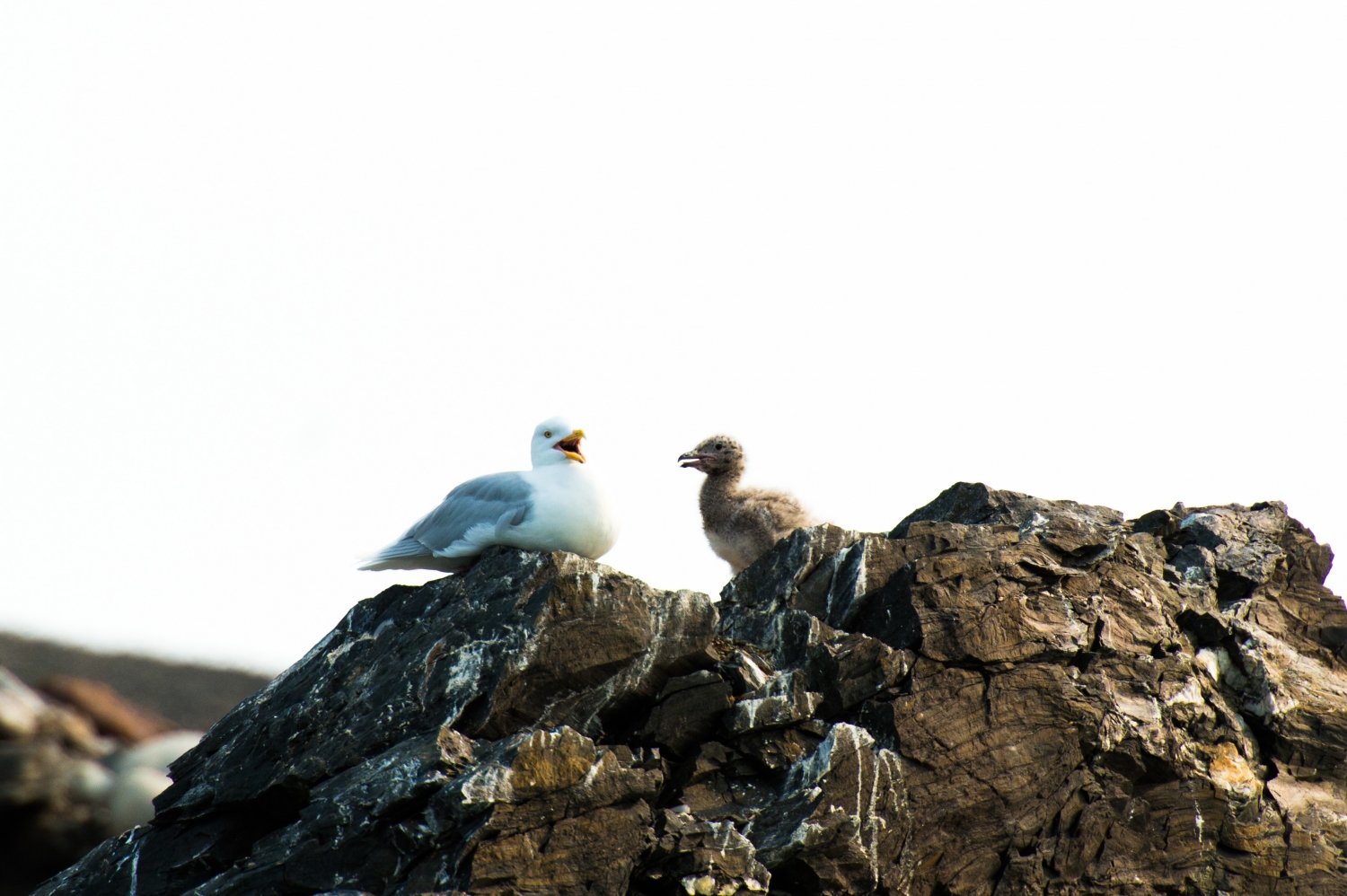
An Arctic gull and its newly hatched chick stand atop a rock formation in Ny London. This area contains one of the most active bird colonies in Svalbard.
(Max Himmelrich/Daily Bruin)
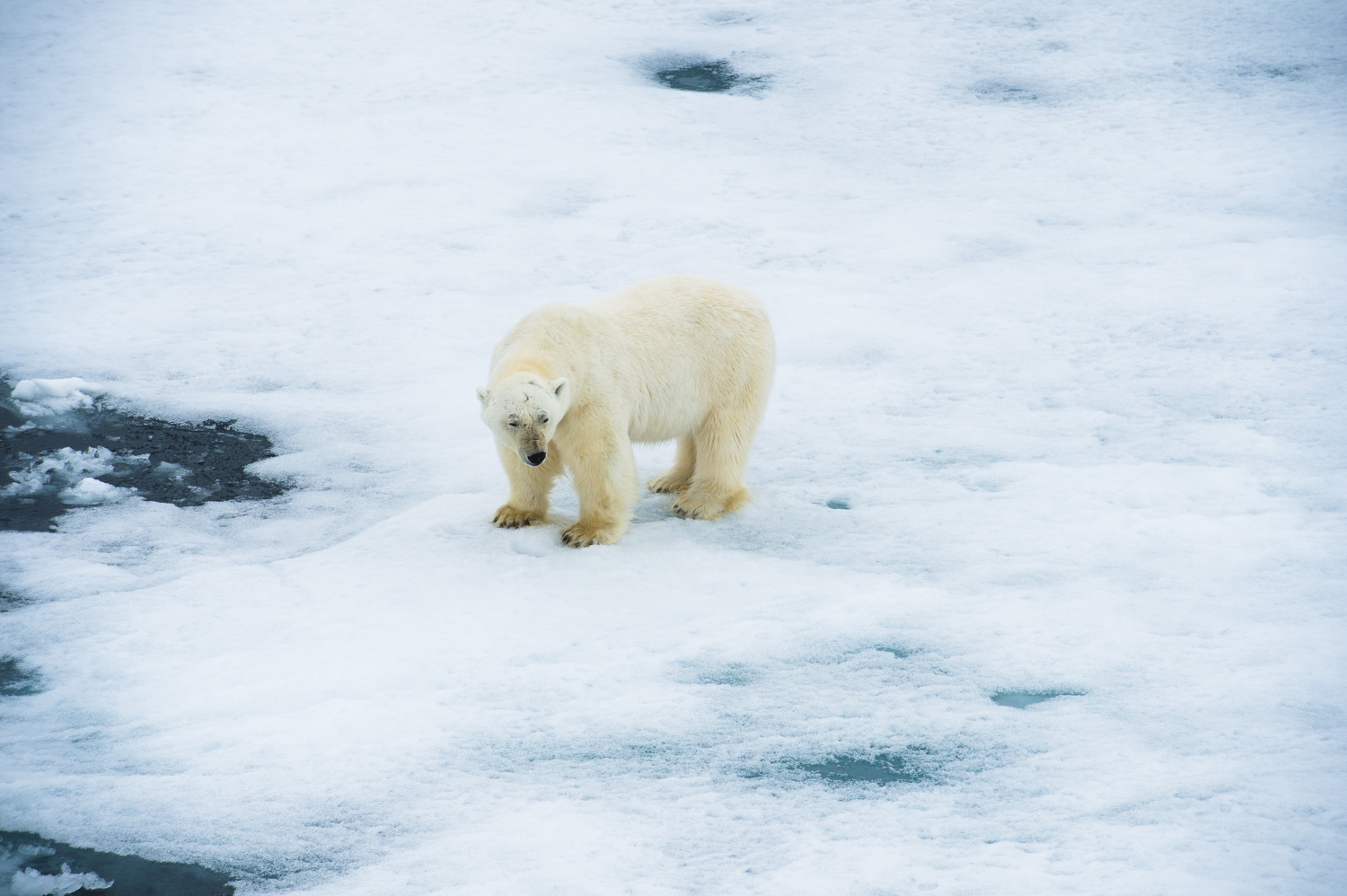
A polar bear stands on a thick piece of pack ice, waiting for prey to emerge. The bears will use their paws to create a disturbance in the water, which seals interpret as the presence of a bird. When the seal emerges to investigate, the polar bear will strike.
(Max Himmelrich/Daily Bruin)
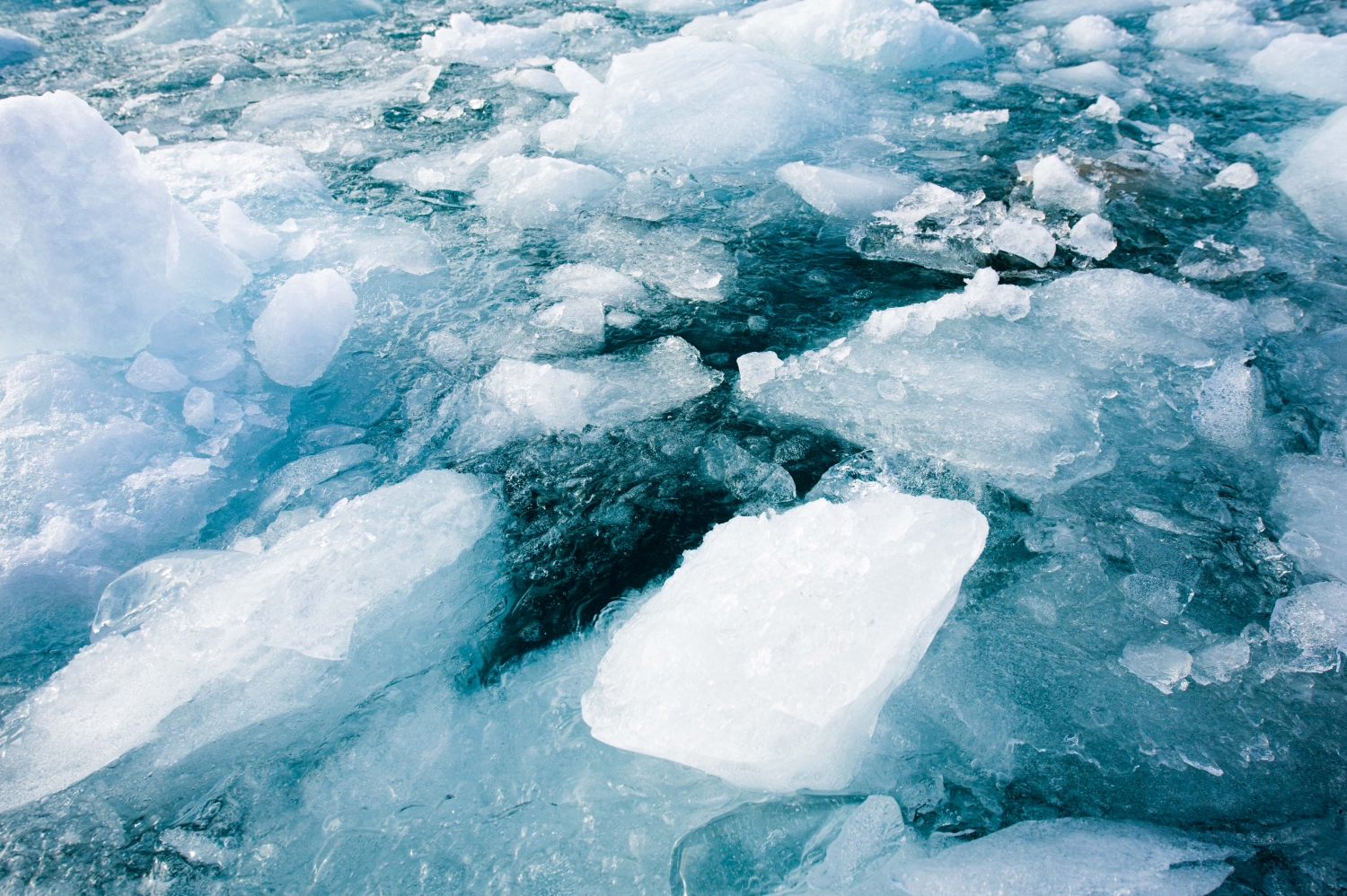
As the Akademik Sergey Vavilov headed north, the ship's ice breaking capabilities became invaluable. Our search for polar bears led us to within 400 miles of the North Pole.
(Max Himmelrich/Daily Bruin)
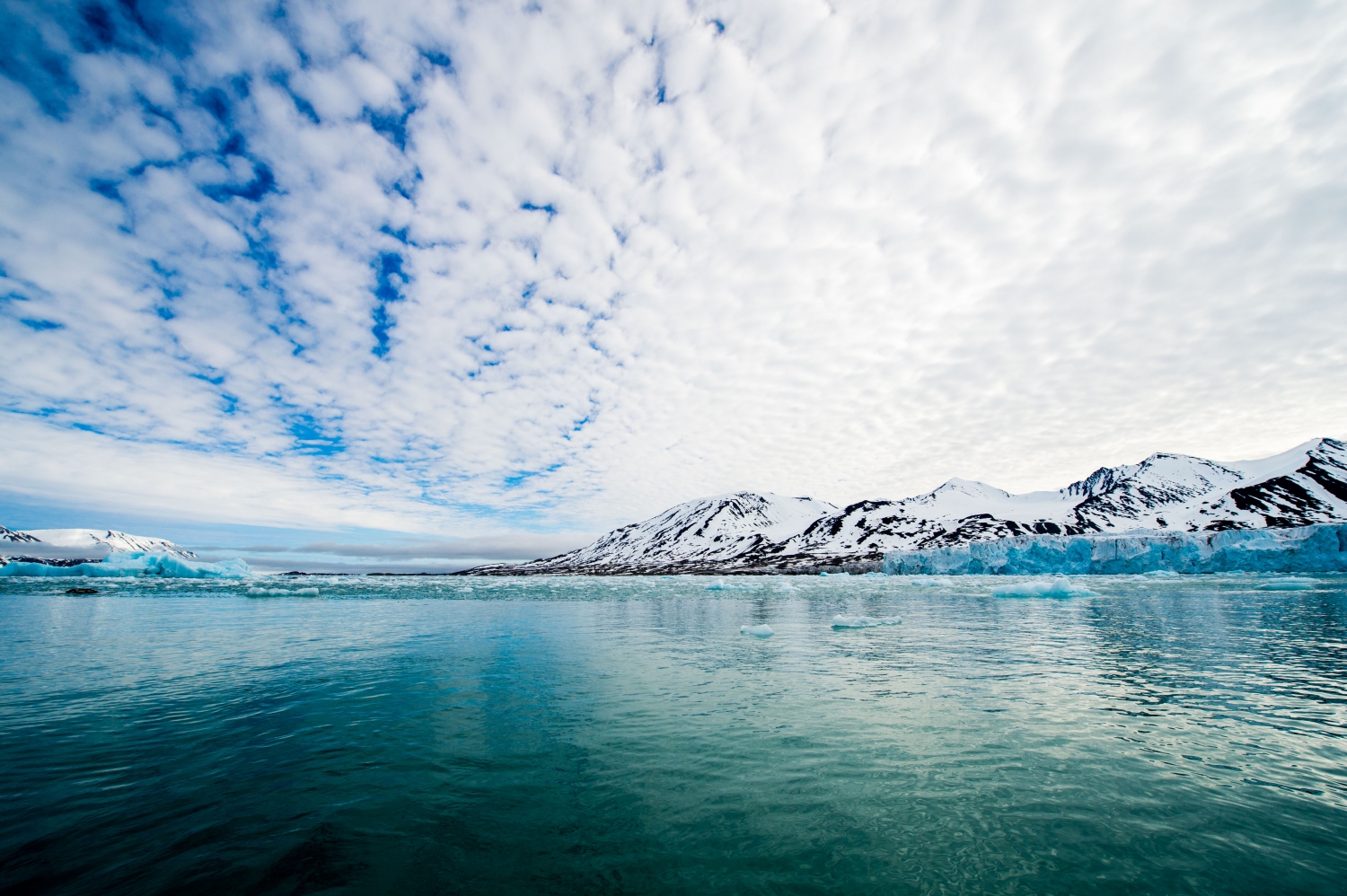
The cold temperatures over glaciers cause them to retain a thick cloud cover, but the sky over open waters can break through on occasion. In this image you can see the progression from the open water onto a glacier.
(Max Himmelrich/Daily Bruin)
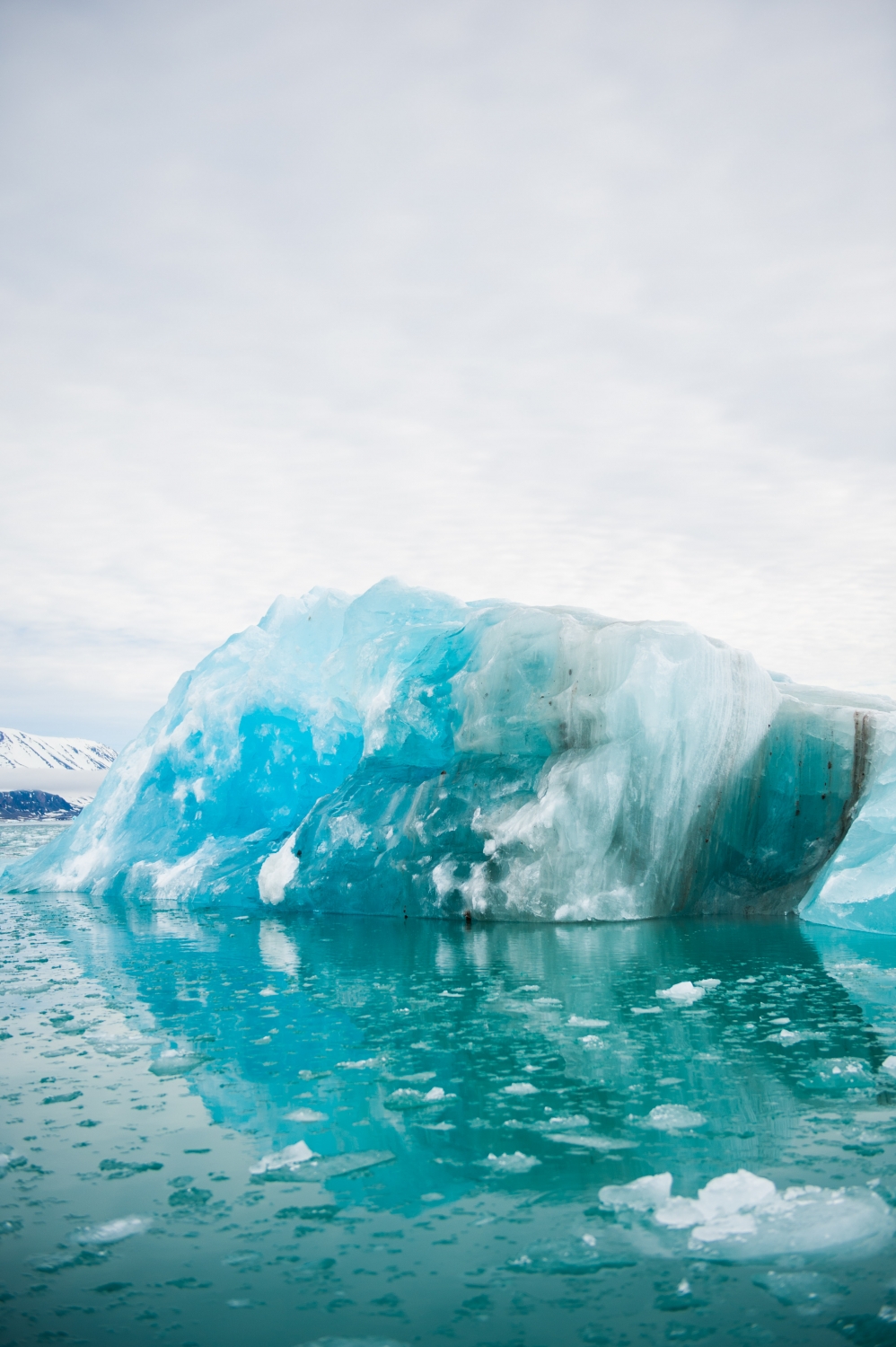
Glaciers usually form a bright blue color while they are under water. Eventually due to melting and shifted weight, glaciers will roll and reveal this deep blue hue that is usually hidden under the water. We were very lucky that this glacier had recently rolled, and we were treated to a wonderful show of colors.
(Max Himmelrich/Daily Bruin)
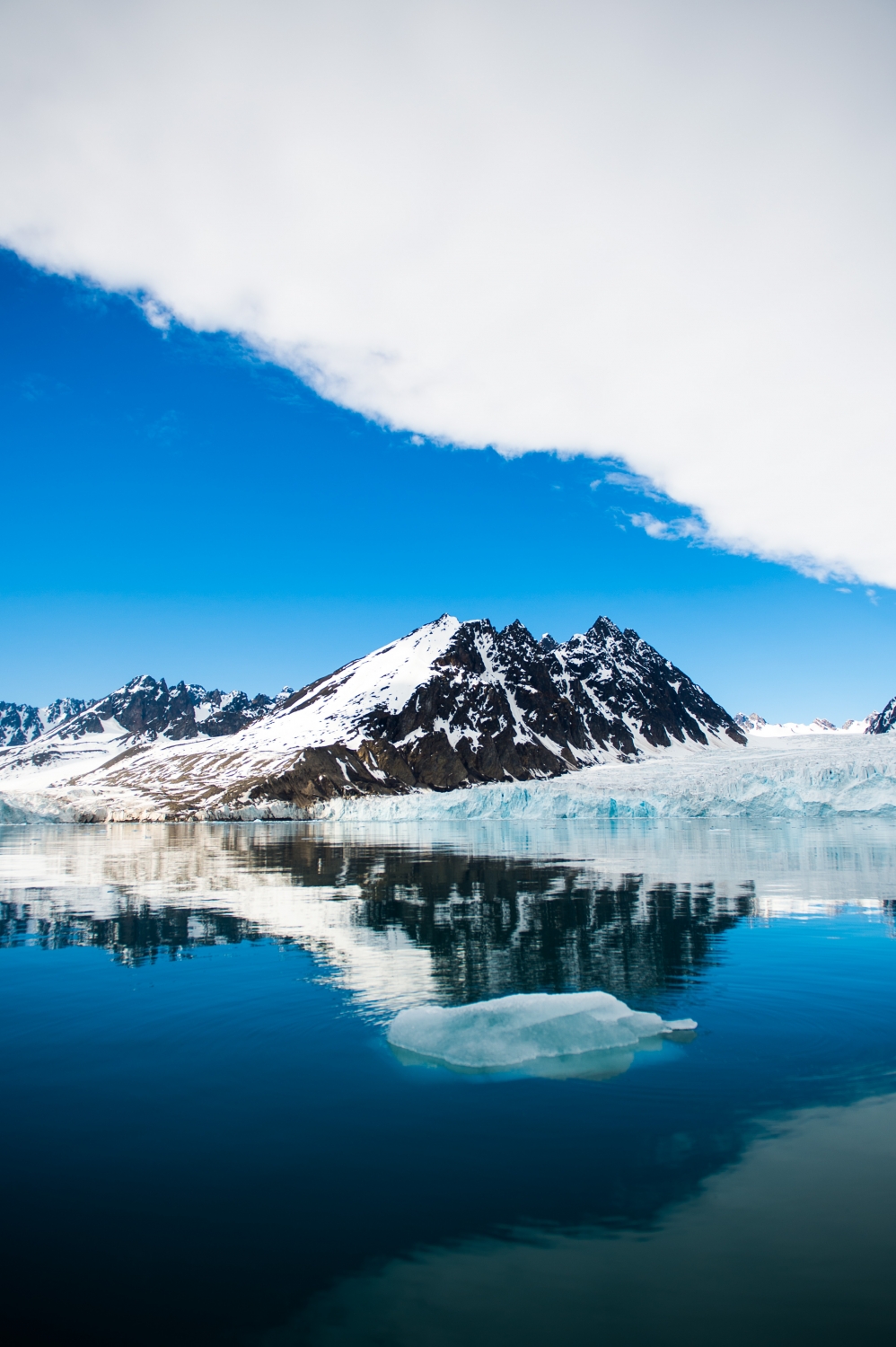
The calmness of the water near the Monaco Glacier was always striking. I was lucky enough to make it onto the first zodiac, and was able to capture this image before other boats disturbed the stillness of the water.
(Max Himmelrich/Daily Bruin)
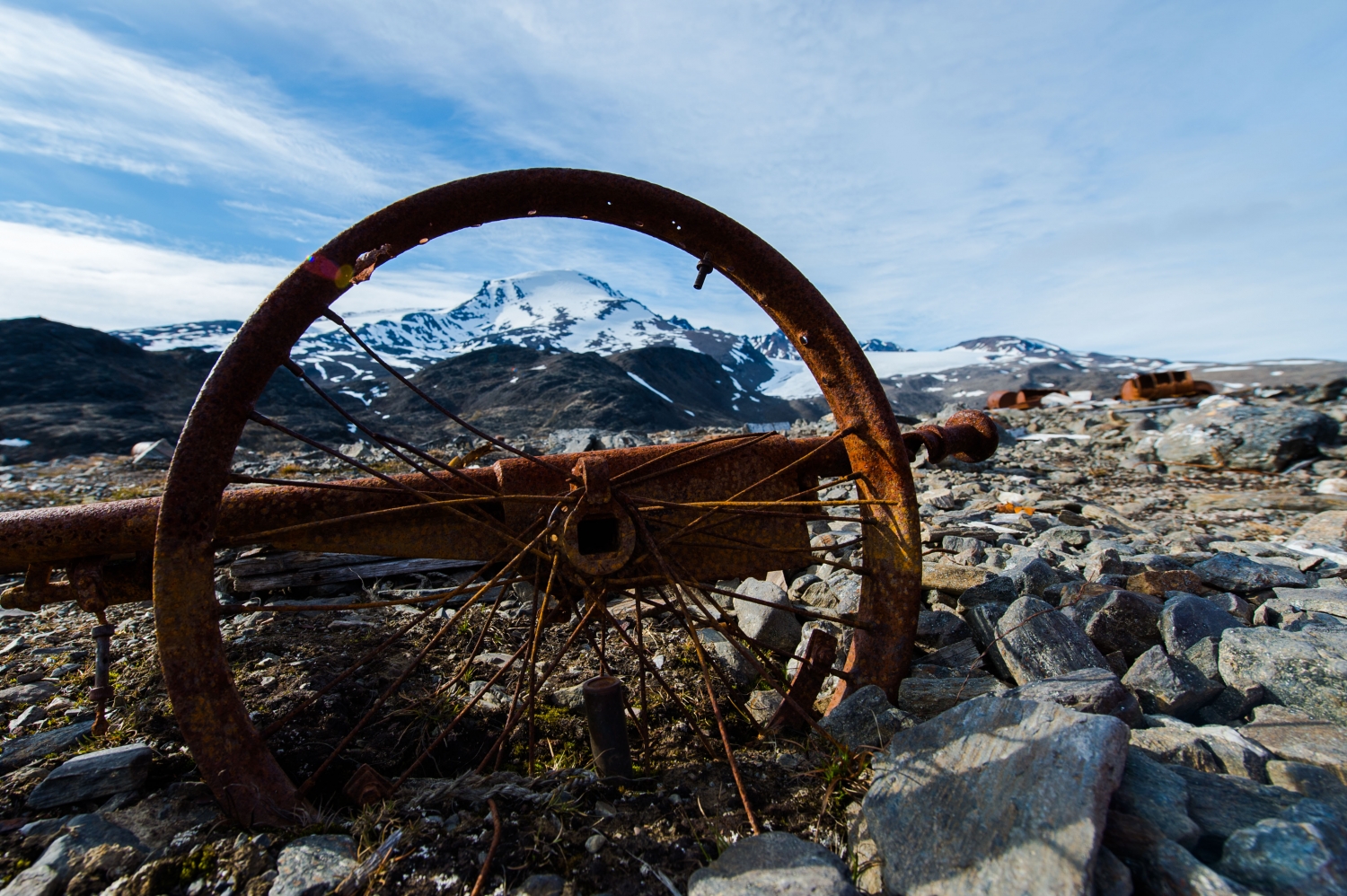
At Signehamna remnants still exist of a Nazi weather camp, which the Germans believed would give them an advantage in terms of predicting conditions due to the northern position of the post. This station was destroyed towards the end of World War II, but there are still signs of past human presence despite the region's barren nature.
(Max Himmelrich/Daily Bruin)
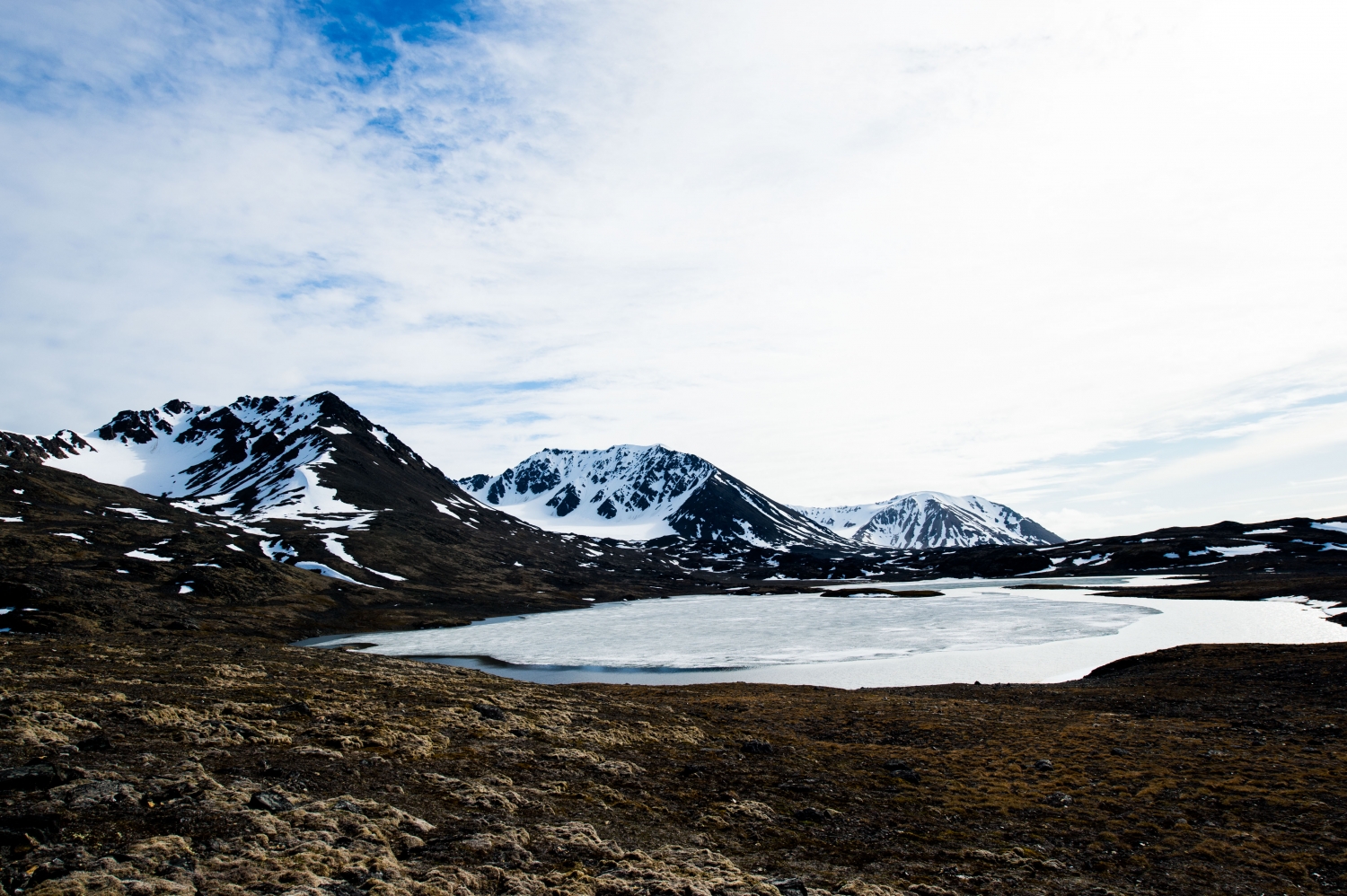
Three mountains sit behind the landscape of strip of land known as Signehamma. During the winter this small valley is engulfed by snow and ice.
(Max Himmelrich/Daily Bruin)
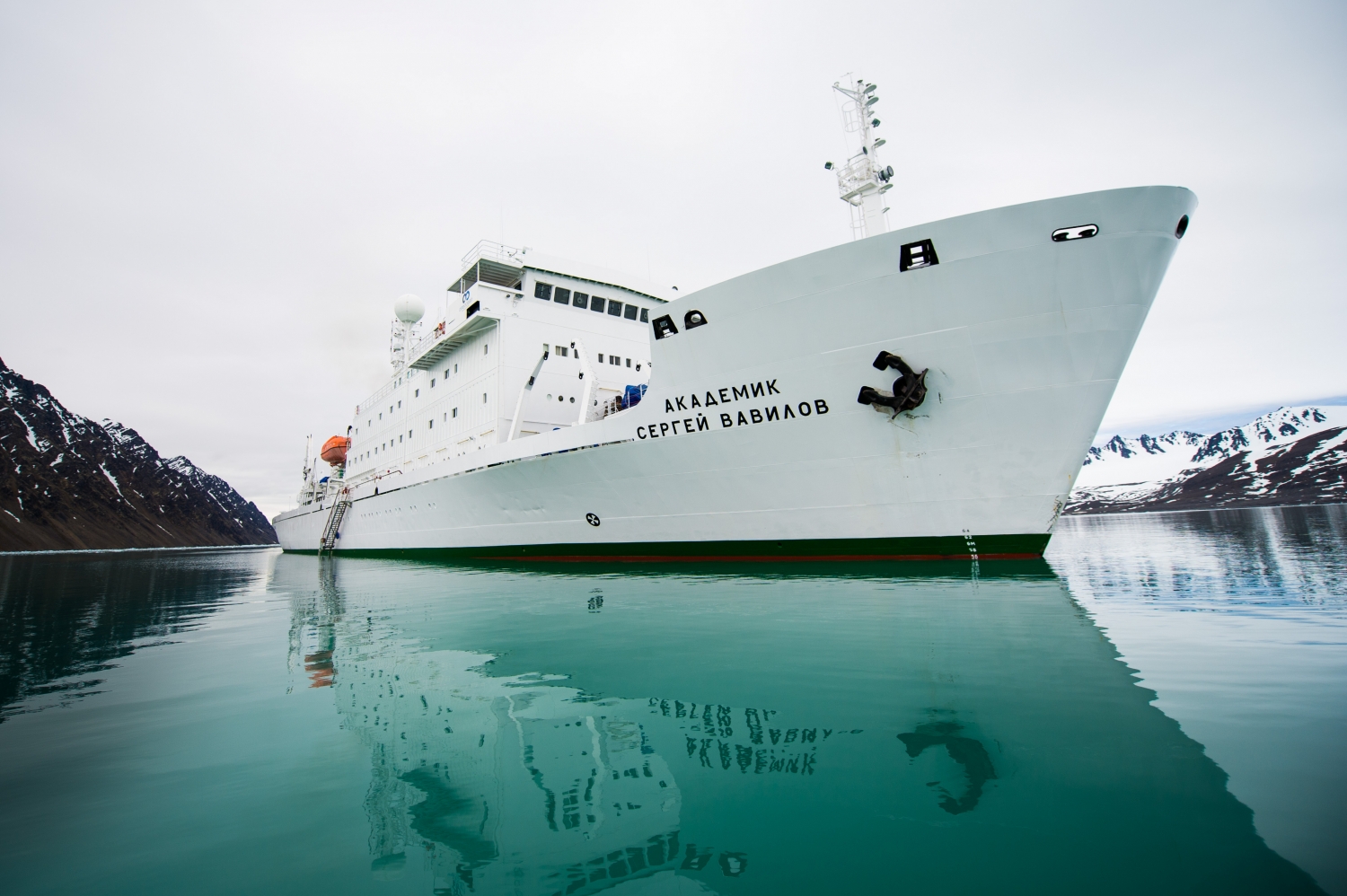
Our ship, the Akademik Sergey Vavilov, was built in the 1980s as a Russian research vessel. Its ice-breaking hull makes it one of the best desirable boats for conducting research in the European Arctic Circle. We were joined by a crew of Russian scientists and wildlife experts, who conducted experiments alongside our photographic expedition.
(Max Himmelrich/Daily Bruin)
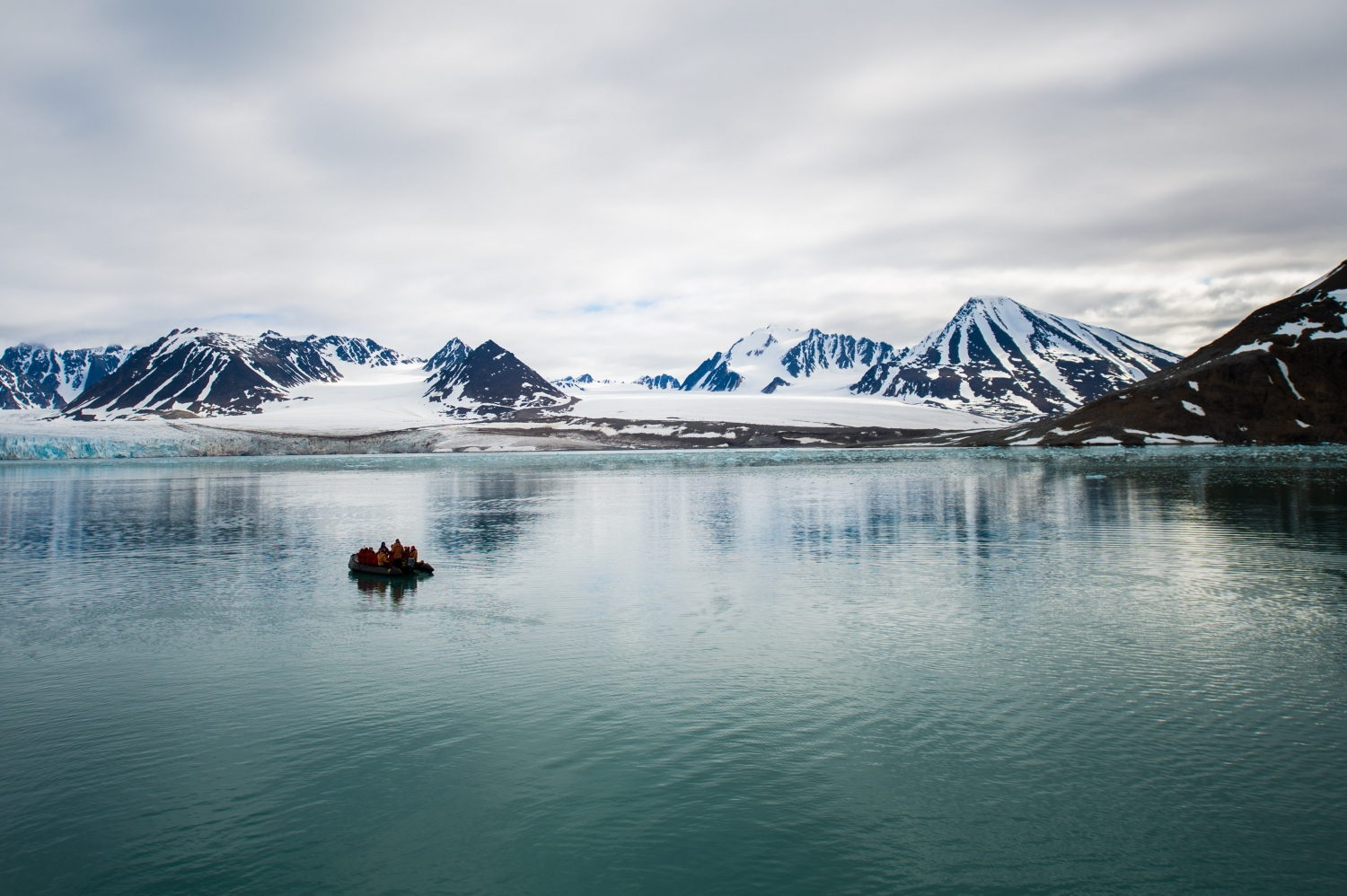
On the first day of the expedition we completed safety drills on the zodiacs, which are smaller ships used for taking passengers to land. The drill was conducted in the calm waters of Lilliehookbreen.
(Max Himmelrich/Daily Bruin)
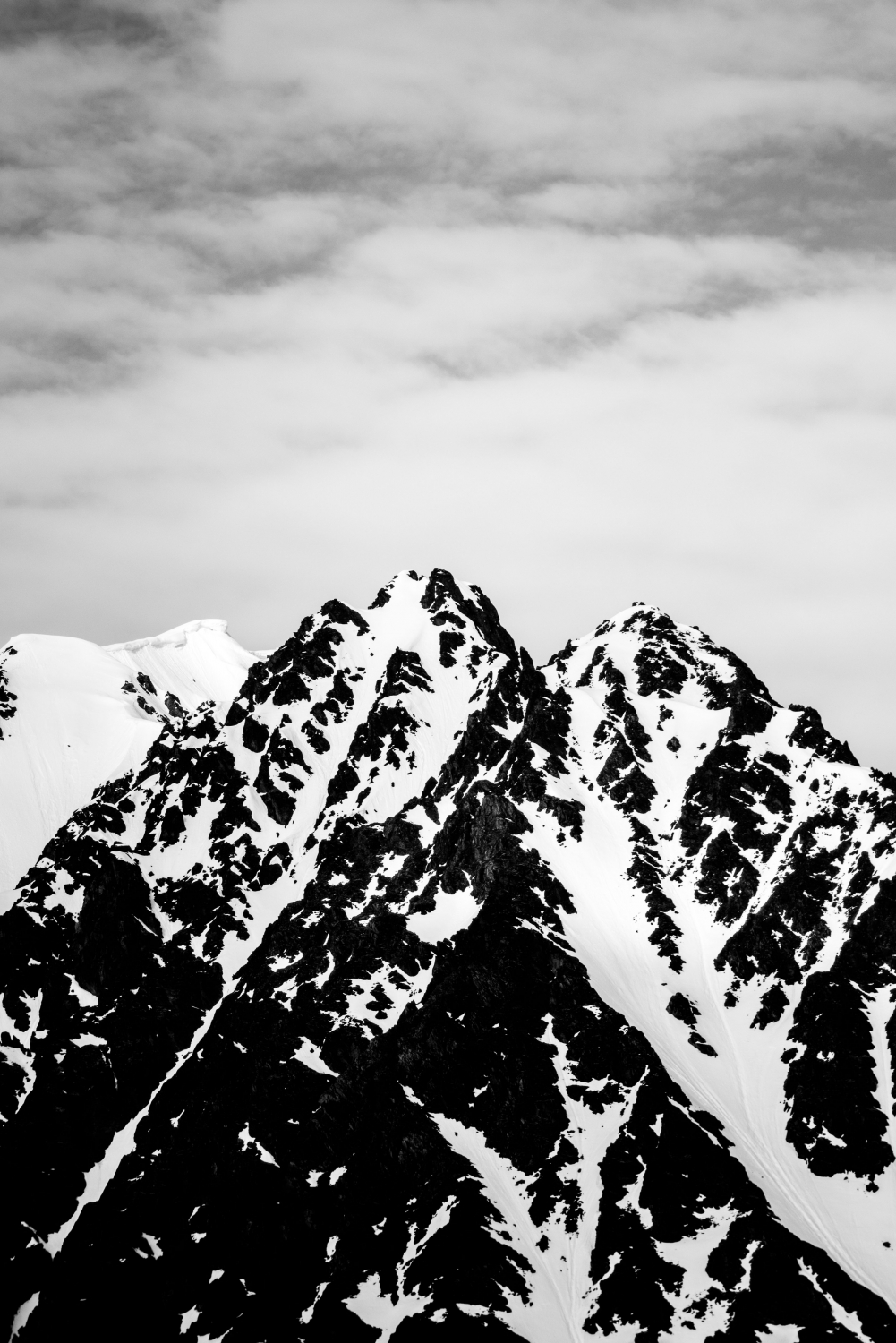
The peaks of the mountains surrounding the Monaco Glacier were revealed each day around noon when the temperature rose and the thick fog within the fjord lifted.


