






Metal theft is a building issue at UCLA as copper and other materials become more valuable

By Kylie Reynolds
Sept. 16, 2011 4:36 p.m.
A growing trend in metal thefts nationwide has affected some UCLA construction sites.
Thieves commonly steal metal from sites, such as construction zones, railroads and telephone poles, and sell it for a sizeable profit.
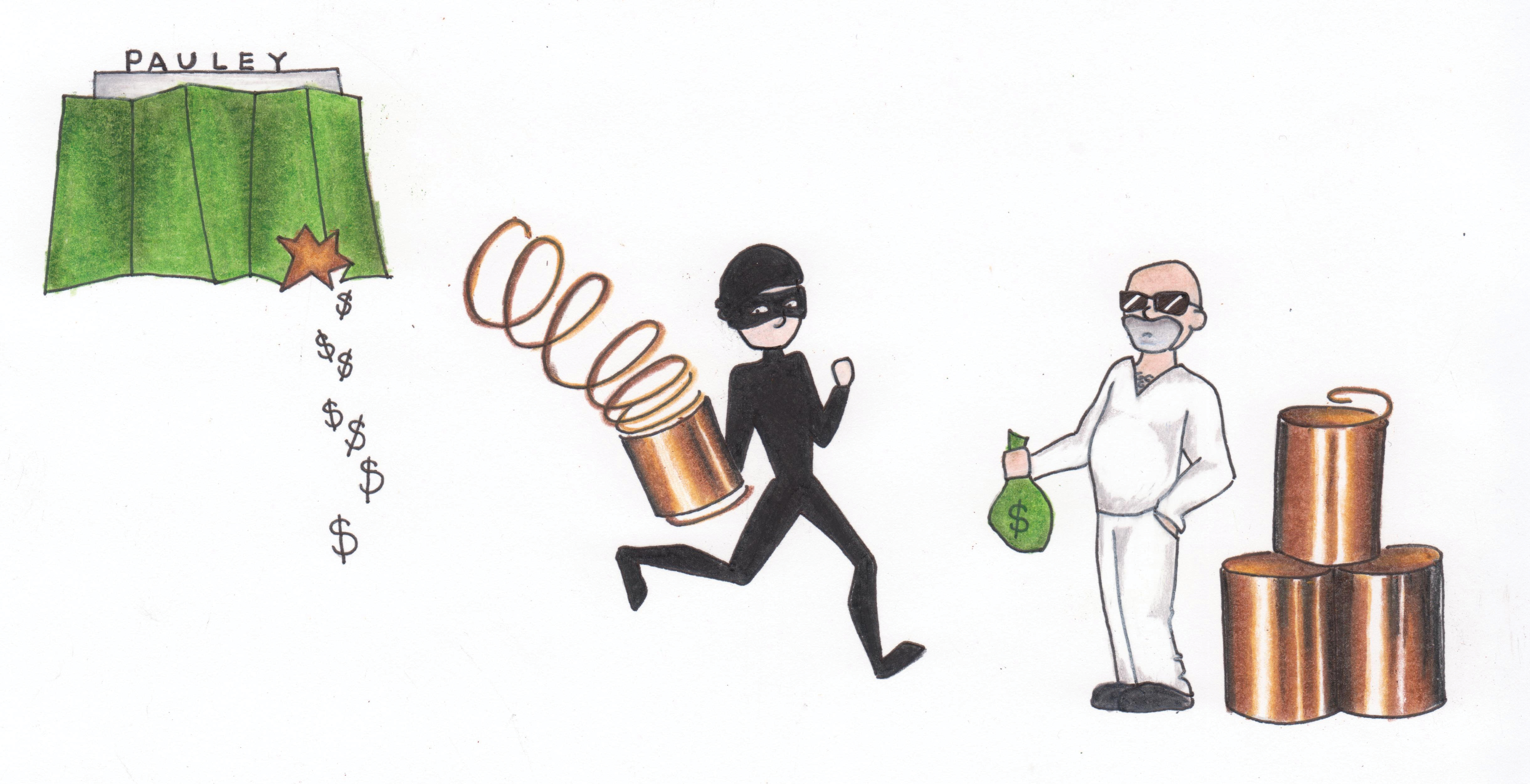
Most recently, about $6,500 in copper piping and fittings was stolen from the De Neve construction site on Sept. 2, according to university police records.
A construction worker has been arrested as a suspect in the theft, said UCPD spokeswoman Nancy Greenstein.
In 2009, $1,000 in copper coils and wiring was stolen from UCLA’s Brain Research Institute, while 14 circuit breakers, valued at $500 each, were stolen from the Life Sciences building in 2010.
But officials said these are isolated incidents. Metal thefts are rare at UCLA sites, said Steve Olsen, vice chancellor for finance, budget and capital programs.
General contractors are in charge of the security of construction sites and are therefore held accountable to replace any supplies stolen from the projects, Olsen said.
“To date, the contractors we have been working with have high standards because they ultimately are responsible for anything stolen,” Olsen said.
Security enhancements include putting up fences, locking equipment and hiring security guards, he said.
Although metal thefts have historically been a problem nationwide, 2011 has seen a spike in the overall number of thefts because of an increase in the resale value of metals, said Kevin Whiteacre, an assistant professor of criminal justice and sociology at the University of Indianapolis and managing editor of an online journal about metal theft.
Copper, one of the metals more frequently stolen, is currently selling at an estimated $4.10 per pound, according to market values.
This has led to heightened demand for metals in the manufacturing industries of other countries, including China and India, Whiteacre said.
“We are in the midst of a second metal-theft wave,” he said.
Students can also be affected, Whiteacre said. Catalytic convertors are commonly stolen from under cars, especially SUVs.
Federal and state legislation, however, has been proposed to curb metal thefts. In California, law requires people selling copper wire or catalytic converters to wait at least three days for payment, have their photograph taken and have a copy of their driver’s license made.


