






GAMMA patrol keeps partying students safe on Frat Row
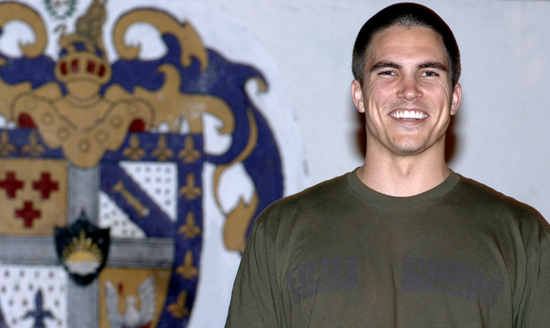
Second-year student Cory Brandt, head of GAMMA, patrols fraternity row on the weekends to ensure a safe party environment for UCLA students.

By Alexia Boyarsky
June 6, 2010 9:48 p.m.
They walk 2,235 steps, cover 17 fraternity houses and patrol eight street blocks.
Intermingled with the regular Thursday night party-goers, this year there is a new patrol group ““ the Greeks Advocating the Mature Management of Alcohol (GAMMA).
GAMMA had been a dormant organization at UCLA for many years until its revival in March. It is designed to be a way for the Greek community to govern itself, said Cory Brandt, GAMMA chair and second-year history student.
Since March, GAMMA has organized weekly patrols on Thursdays and Fridays as well as bus checks prior to off-campus Greek events, Brandt said. They are also working on implementing more seminars for Greek members to learn about alcohol safety.
“We’re not here to punish people ““ we just make the system better,” Brandt said. “We want to be the second line of defense ““ the first line is the fraternities and sororities themselves. They are supposed to monitor (the parties) themselves, but if things get out of hand, we let them know.”
Although some Greek members said they believe the system is ineffective, Brandt said the number of parties shut down by police has decreased this year.
Patrols are designed to pass all of the fraternity houses on Gayley and Landfair avenues, and although the patrollers do not always enter the houses, they make sure that the party is not disruptive from the outside.
When a raid or party occurs off-campus, GAMMA members patrol the party buses to make sure that there are no open alcohol bottles or visibly intoxicated people on board.
“We’re really doing them a bit of a favor, because those drunk people sometimes ruin the party for others who are forced to take care of them,” said Robert Lee, a GAMMA patrol member and second-year English student.
The GAMMA patrol team consists of 40 delegates, each of whom represents a Greek house on campus. The system attempts to ensure the patrols have personal connections in the houses they are patrolling to make giving recommendations or warnings easier.
“The goal is to be able to call or text someone in the house without getting the police or the university involved,” said Brett Johnson, a GAMMA patrol member and second-year global studies student.
While in the past, parties have been broken up by police intervention, Brandt said he hopes GAMMA will be able to quiet down those parties prior to the police’s arrival.
“We’re trying to prevent them from getting in trouble,” Brandt said. “When a party gets shut down by the police it not only looks bad for the house, but also for the whole school.”
Although the reinstated GAMMA system was originally greeted with hostility and trepidation by the Greek community, since then, some fellow Greeks have become supportive and accepting, Brandt said.
“I think at the beginning people thought we were the bully who was stopping all of the fun,” said April Eaton, GAMMA chair and second-year political science student. “But people are more on board with the program now.”
Jeff Kopstein, president of the Alpha Epsilon Pi fraternity and a fourth-year molecular, cell and developmental biology student, said the entire Greek community fully supports and appreciates the efforts of GAMMA.
“It’s hard to put limitations and restrictions on your peers, but it’s also something everyone knows needs to be done,” Kopstein said.
Eaton and Brandt plan to expand GAMMA more for the next school year. Over the summer, they want to make checklists for patrollers so they can be on the lookout for unsafe or undesirable behavior when entering parties. They also plan to have blackout week ”“ the week when Greek houses choose new members and alcohol is banned ““ start a day early to try to limit “blackout before blackout” parties.
“We want to protect the freshmen, because they move in to college and then on their second day, some of them are sent to the hospital, and that’s not all right,” Brandt said.
Other plans for the organization include starting alcohol education early in the Greek process and improving the reputation of the Greek community.
Brandt also hopes to make the Greek community more integrated by planning larger community service events that include more than one fraternity house.
“The Greek community isn’t very respected anymore because the only time people really hear about it is when something bad happens,” Brandt said. “Fraternities started out great, but it’s kind of lost meaning and purpose over time. UCLA is not going to put up with that, so we are trying to make our situation better.”


