






UCLA’s first ‘Test Tube’ baby to have own child
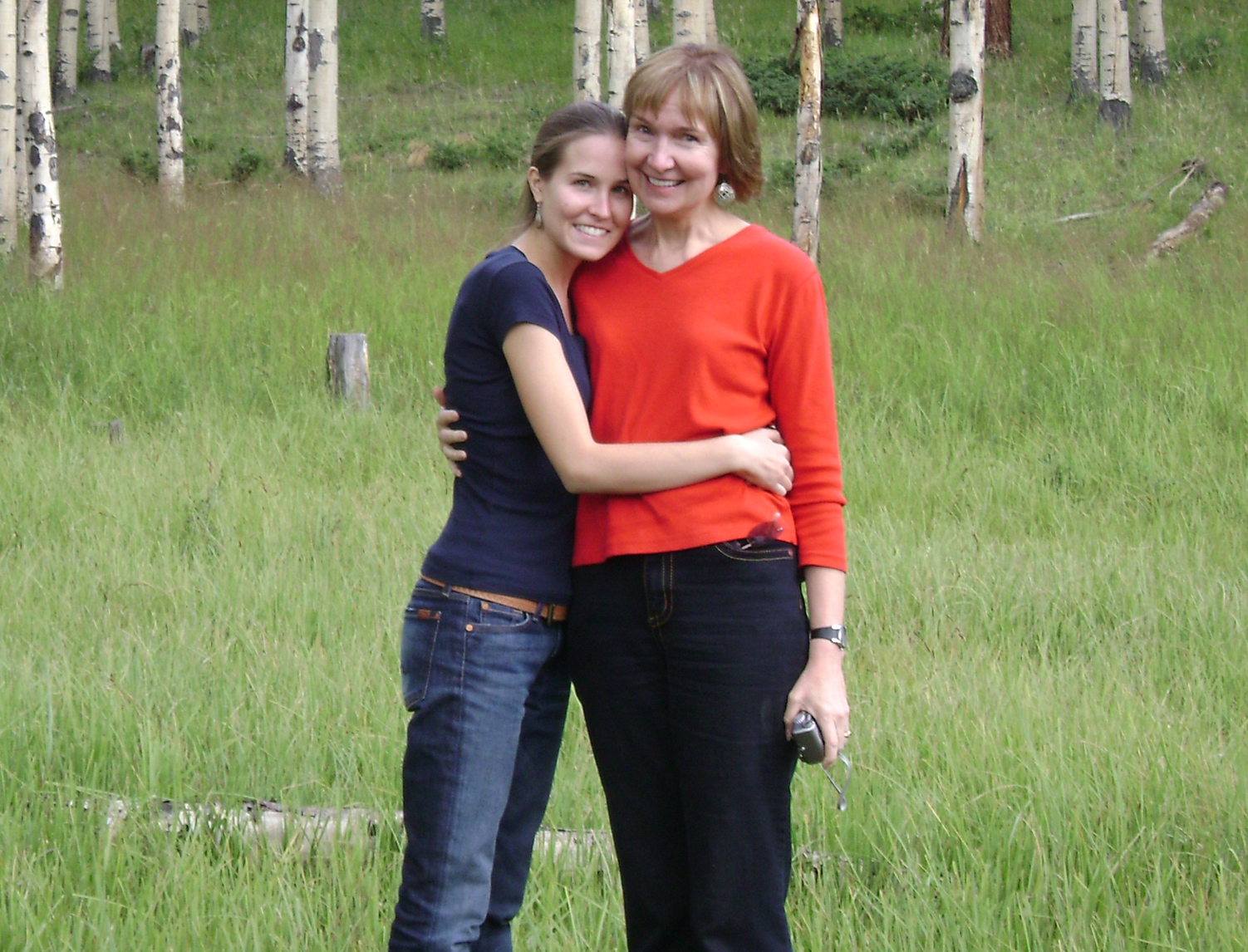
Greta Woodka (left) was the first “test tube” baby born at UCLA Medical Center. Woodka, 28, is now pregnant with her own child. (Courtesy of Greta Woodka)

By Taylor Aquino
Nov. 28, 2012 1:04 a.m.
Almost three decades ago, Greta Woodka was the first “test tube” baby born at UCLA Medical Center.
Now, she is having a baby of her own – naturally.
Woodka was conceived through a method – akin to the in vitro fertilization treatments of today – that was introduced to the UCLA Department of Obstetrics and Gynecology by former UCLA physician and researcher Dr. David Meldrum.
In vitro fertilization, which was developed to get around issues women have with conceiving, is a process where unfertilized eggs are extracted from the ovaries and then united with sperm in a laboratory, said Dr. Daniel Dumesic, the division chief of reproductive endocrinology and infertility at the UCLA Medical Center.
Nancy Woodka, Greta Woodka’s mother, had issues while trying to conceive.
“(Meldrum) invited us to take part because we weren’t having success with all of the other methods that we had tried (to get pregnant), which included microsurgery to open my fallopian tubes,” Nancy Woodka said.
She said she and her husband agreed to go through with the surgery believing that, if the surgery was not successful, they would at least be furthering the research Meldrum was doing at UCLA.
“At the time, we knew it was all experimental and we weren’t really sure that we were going to have any success, but we did think that we would advance Meldrum’s team’s knowledge on how to do that by taking part in this,” Nancy Woodka said. “(The) wonderful thing is it succeeded.”
Nancy Woodka said the research UCLA conducted years ago seems to have helped other couples seeking similar treatments to conceive babies.
“(The procedure) established the precedent that eggs could be harvested in a treatment room with the mother being pretty comfortable and not needing general anesthesia or a full operating room,” she said. “It made it less expensive and easier to undergo.”
Though she conceived her own baby naturally, Greta Woodka became aware of infertility issues earlier than most would-be parents.
“I definitely think that I grew up knowing more about infertility than most people my age,” she said. “I kind of had more of a well-rounded aspect of infertility than I think a lot of other kids that I went to school with (had).”
When she was younger, Greta Woodka said she attended annual lunches – dubbed Father’s Days – with other “test tube” babies Meldrum had helped women to conceive.
“You didn’t really feel like a complete alien,” she said. “You were surrounded by other “‘test tube’ (babies) since it was so rare back then.”
People born through in vitro fertilization typically do not face extra health risks throughout their lives, including problems conceiving, Dumesic said.
Greta Woodka has two other siblings, each of whom was brought into the family by different means.
Her brother Kurt was adopted. Her younger sister Karina was conceived naturally.
Nancy Woodka and her husband’s proximity to the research institution of UCLA was the reason that she was able to give birth to Greta Woodka and her sister, she said.
She and her husband Dick were living in Los Angeles while she worked for television news station KHJ – now KCAL – as a medical reporter. Her career in medical reporting led her to choose UCLA for treatment, she said.
“I think, had we been in a smaller market or smaller town and not had access to UCLA, we wouldn’t have any kids at all, so we are very, very lucky that we were in the right place at the right time,” Nancy Woodka said.
Greta Woodka announced her pregnancy this summer at an in vitro fertilization and embryo transfer course held annually in Santa Barbara, which celebrated its 25th anniversary this year.
She said Meldrum also attended the course and expressed excitement at the prospect of having his first “test tube grandchild.”
Greta Woodka said she can relate to her mother and other women who have trouble getting pregnant because she too had problems conceiving initially, and considered starting a fertility treatment.
“We actually tried for about 10 months,” she said. “I definitely understood, month after month, when you couldn’t conceive, the heartache that a lot of people go through after you have to be in that same situation for several years.”
Eventually she was able to conceive, and her baby is due in January.
“I had been talking to my mom about conceiving … since I was younger,” Greta Woodka said. “I guess most moms and daughters don’t have that conversation, but it is a part of our family.”


