
(Illustration by Haley Park/Illustrations & Cartoons director)
By Jacob Nguyen
August 31, 2026 at 11:58 a.m.
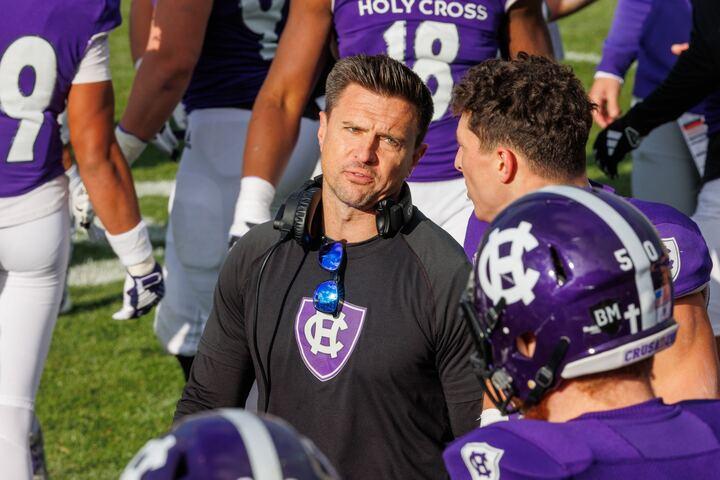
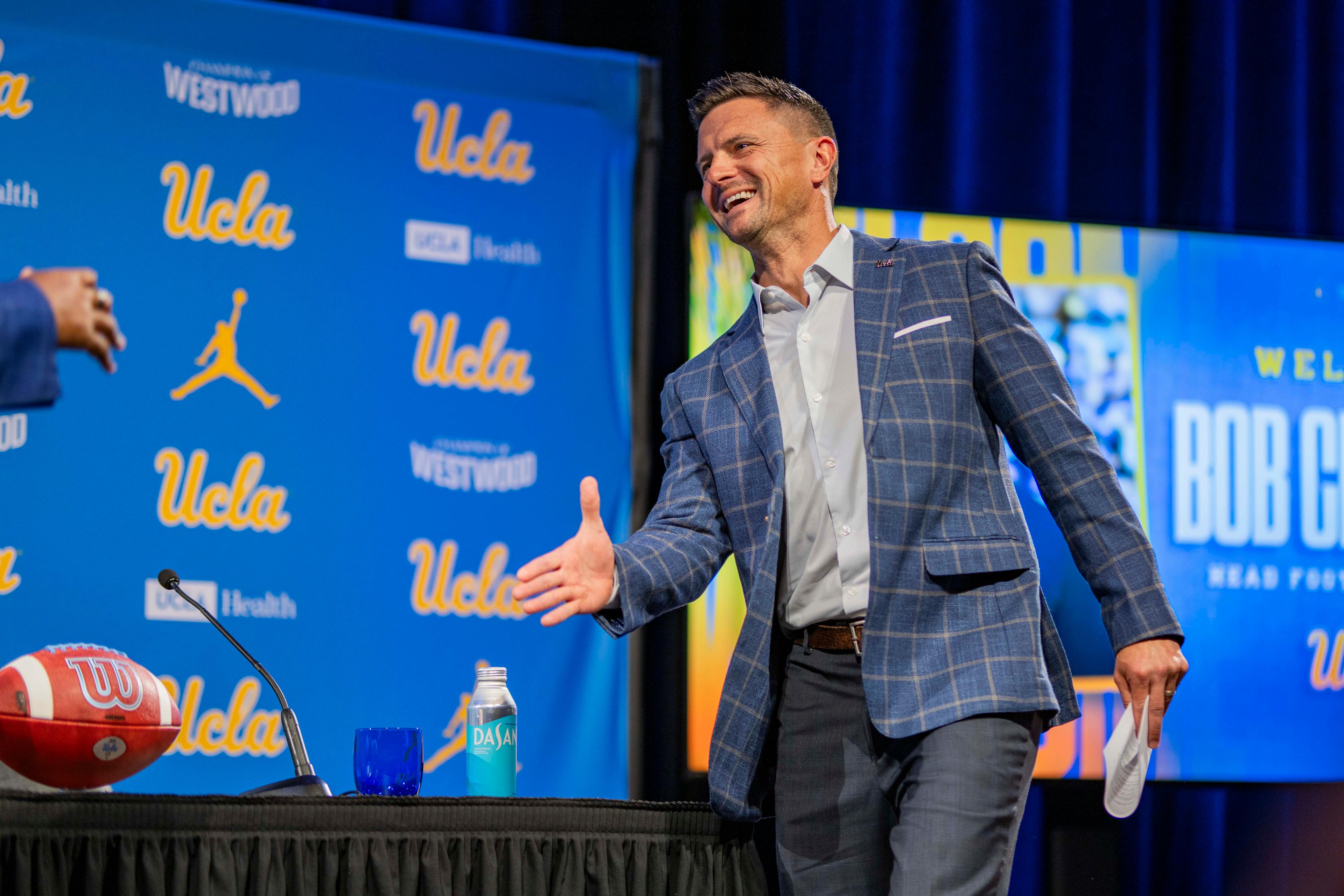
2026 is a fresh era for UCLA football. A new head coach who has revolutionized the program from top to bottom creates an unfamiliar feeling of optimism after a 3-9 campaign last year. Revamping the roster, coaches and culture, Bob Chesney has the Bruins riding into another chapter. The transformed program seems poised to make its mark as it rides on what many have called the “Chesney Train.”
1. A heavy ground assault
Just a year ago, UCLA ranked in the basement of the Big Ten in total rushing touchdowns – also tied for third-worst in the nation.
No Bruin running back had over 400 ground yards, and only one cracked 300 and had more than one score.
UCLA’s rushing leader was senior quarterback Nico Iamaleava, who – despite his mobility – often ran when forced out of the pocket, rather than on designed attacks.
But in 2026, the Bruins are poised to hit the ground running – literally.
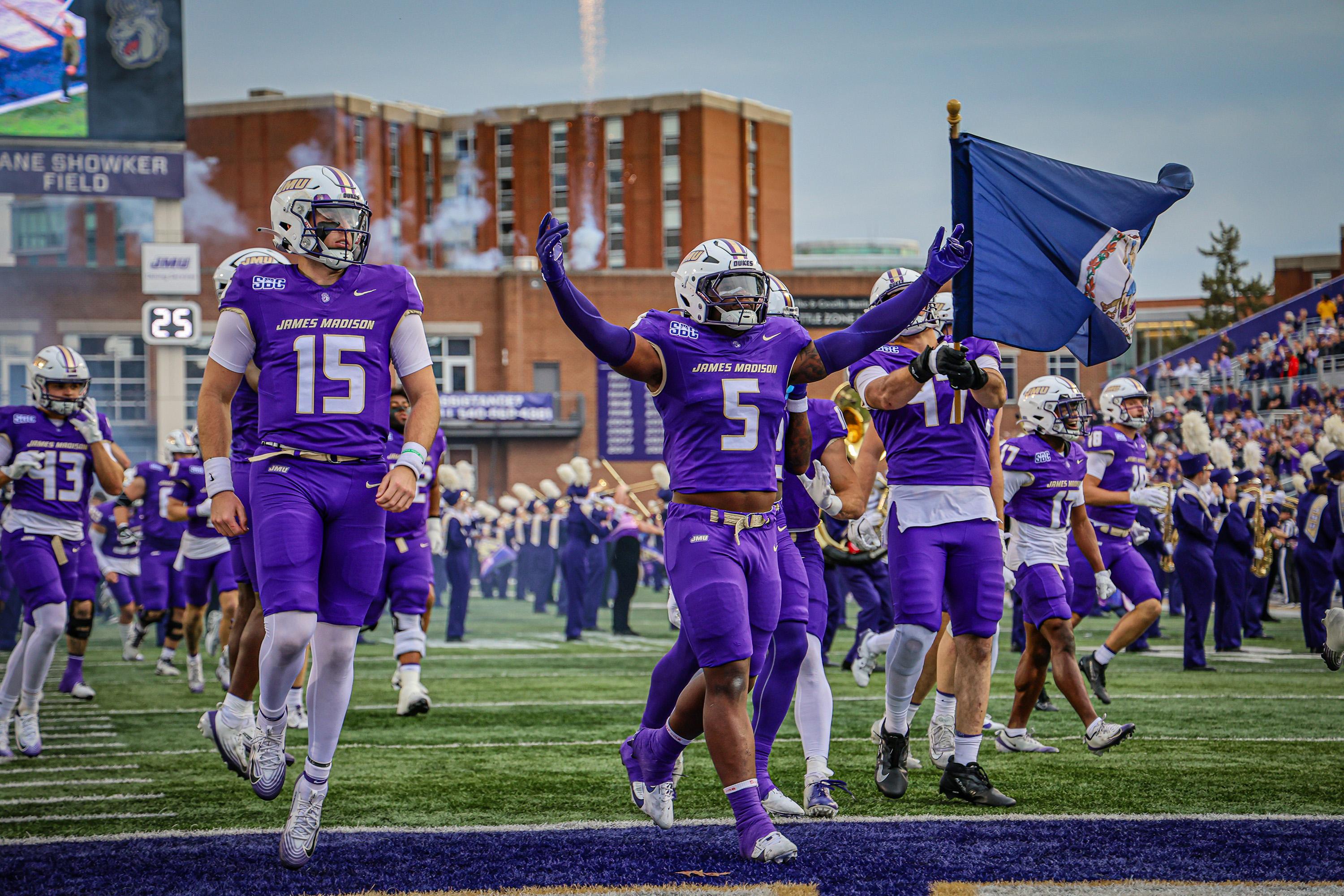
Coach Bob Chesney brought with him fifth-year Wayne Knight from James Madison. Knight ran for 1,373 yards last year with the Dukes – good for seventh in the nation – and nine touchdowns. The Smyrna, Delaware, local was one of the country’s best offensive names last season, logging over 2,000 all-purpose yards, including 40 receptions.
But Knight will not be alone.
Contending for reps will be senior Jaivian Thomas and fifth-year Anthony Woods. After both ran for just 294 yards each in 2025, the returning tailbacks are poised for bounce-back seasons.
In 2024, Thomas collected 626 rushing yards on 100 carries, alongside seven scores, with California. Meanwhile, Woods was a 1,000-plus-yard rusher with 16 touchdowns in 2023 at Idaho.
With Iamaleava’s legs and Knight’s continuity from JMU to key resurgences, the Bruins are stocked with weapons that can attack quickly and powerfully, creating opportunities for a more expansive playbook with jet sweeps, read actions and other trick plays to thwart opposing defenses.
2. New weapons for Nico
Westwood has not had the most explosive offense in the world – at least not recently.
UCLA hasn’t seen a 1,000-plus-yard receiver since the Josh Rosen days. Many of the last few seasons have also involved heavy tight end usage.
But the same arm that propelled Iamaleava to five-star status and brought Tennessee to a College Football Playoff appearance in 2024 will now have a retooled staff to throw to.
Another JMU transfer – senior Landon Ellis – comes to Westwood as a strong wideout who led the Dukes in receiving last year with 624 yards and five touchdowns. Ellis is a high-IQ route runner who thrived in JMU’s spread scheme last season and will benefit from substantial mid- to deep-level targets.
Standing opposite Ellis is fifth-year Leland Smith, who recorded 688 yards on 43 receptions last year with San Jose State. Smith’s 6-foot-4, 218-pound frame gives Iamaleava a valuable red-zone target and a body who can make tough contested catches.
Senior Mikey Matthews is the only returning rotational wideout who is likely to see key reps out of the slot, where he logged an efficient average of 10.5 yards per catch last season.
But Chesney will have a deep set of options with other notable names demonstrating potential out of fall training camp, such as seniors Semaj Morgan from Michigan and Aidan Mizell from Florida, as well as sophomore Brian Rowe Jr. from South Carolina – all of whom are speedy tacticians who will further diversify UCLA’s spread scheme.
3. Secondary success
UCLA’s strongest position groups last year were most evidently its corners and safeties.
Although the Bruins lost Andre Jordan Jr. – the squad’s leader in pass deflections – to Auburn, they retained their next three leaders in the secondary.
The core trio of seniors Rodrick Pleasant, Scooter Jackson and Cole Martin combined for 145 tackles, 13 pass deflections and three interceptions last season, helping lead a unit that allowed the fourth-fewest total passing yards in the Big Ten with 2,359.
While Jackson’s status remains uncertain as he deals with academic ineligibility, all three were integral to a passing defense that was the highlight of an otherwise dim campaign and will continue to be key pieces in a nickel defense that saw the addition of two key transfers.
Fifth-year Tao Johnson projects to line up across Martin after four years with Utah. During that time, Johnson logged 154 tackles, 16 pass deflections and three interceptions, where he flashed potential as a flexible and speedy free safety option that can thrive in different coverages.
Senior DJ Barksdale will likely reprise the starting nickelback role he held at JMU, where he consistently covered opposite wideouts with his high defensive IQ. Last year with the Dukes, Barksdale recorded 36 tackles, 12 pass deflections and two interceptions.
4. Transfers galore
From Knight to Ellis to Johnson, it is no secret that much of UCLA’s success in 2026 will be largely credited to players new to the Westwood brand.
Chesney’s impact on the JMU program cannot be overstated. The first-year head honcho’s influence drew 11 of his players to Los Angeles.
But the former Dukes are just the tip of the iceberg.
UCLA boasts a conference-high 43 incoming transfers, many of whom are projected to make immediate starting impacts or add extensive depth to the lineup. The Bruins’ skill players as well as their secondary are some of the most improved position groups on the roster, but improvements were made in the offseason at nearly every level of the game.
Protecting Iamaleava is a retooled offensive line spearheaded by senior center Riley Robell and fifth-year guard Carter Sweazie, both of whom were part of a Dukes offense that was sixth in the country in rushing yards per game.
Defensively, Sammy Omosigho swiftly earned the keys to be UCLA’s starting Mike linebacker. Leading a new era of “Bruin Bullies,” the senior saw intermittent reps in his last three seasons with Oklahoma and now enters the most expansive role of his collegiate career.
And beyond just those expected to start, the Bruins possess a plethora of new depth pieces that can be unleashed in diverse lineups and be switched in and out depending on matchup needs.
5. Star-studded staff
It wasn’t just players who made the move to Westwood.
Chesney brought a significant portion of his JMU staff to reprise their roles in LA, including his top coordinators.
Helming the offense will be Dean Kennedy, who offers 12 years of coaching experience. Under Kennedy, the Dukes’ offense ranked ninth in the country in scoring with 37.1 points per game.
JMU’s offense was spearheaded by 2025 Sun Belt Player of the Year Alonza Barnett III, who placed second on the squad in rushing yards. Kennedy’s experience with speedy, dual-threat quarterbacks like Barnett bodes well for Iamaleava, who has been consistently vocal about how much he’s bought into Chesney’s new ecosystem.
On the other side of the ball, defensive coordinator Colin Hitschler will carry over a 4-3 scheme to revamp one of the least pressuring defenses in the country last season.
Hitschler reunites with both the reigning Sun Belt Defensive Player of the Year and Freshman of the Year, fifth-year linebacker Trent Hendrick and junior defensive lineman Sahir West. The two former Dukes combined for 10 sacks and seven pass deflections in 2025 and will help transform a Bruin front seven that should wreak havoc on opposing offenses.
Under Hitschler, JMU also allowed just 266.6 total yards per game – good for fifth in the country – as well as a conference-lowest 181.6 passing yards per game.
His continued relationship with Barksdale and other key defenders should create striking harmony from the very first snap.
6. All-in culture
It seems like every single person under the blue and gold umbrella has bought into Chesney’s vision.
From Chesney’s appearances across UCLA’s campus, his vocal support by the staff in every nook and corner of the program and his constant uplifting of his players, the vibes in Westwood feel like a complete 180 from what was seen in 2025.
Even something as menial as team practices looks like a group of lifelong friends getting together to have fun – an especially striking characteristic of a team that has undergone so much roster transformation.
Chesney’s crystal-clear outline for success convinced several players to come back to a program they initially wanted to leave, and even more new names to travel across the country to Westwood.
His four Cs – competence, connection, chemistry and character – are driving that culture shift.
UCLA’s morale seems to be the highest it has felt in a long time, with everyone fully committed to bringing this program back from a 3-9 campaign last year – leaning on both competitiveness and humility.
And soon, the Bruins will have a chance to put their money where their mouth is.
7. Where will the Chesney Train go?
Some have gone so far as to compare Chesney to reigning national champion head coach Curt Cignetti.
To be fair, the parallels are striking.
Both were former coaches at JMU. They then transferred to a Power Four school. And along the way, many of their players traveled with them to their new destination.
It would be quite the fairy tale to see the Bruins go from the cellar of the Big Ten to raising banners in one year, but based on Chesney’s record, expectations of a bowl game appearance are well within the realm of reason.
The Bruins have the conference’s fifth-easiest schedule in 2026, avoiding juggernauts such as preseason No. 1 Ohio State or Cignetti’s Indiana. While the Bruins may not win every single game, they believe they have the potential to make each one competitive.
Regardless, only time will tell where the Chesney Train goes.