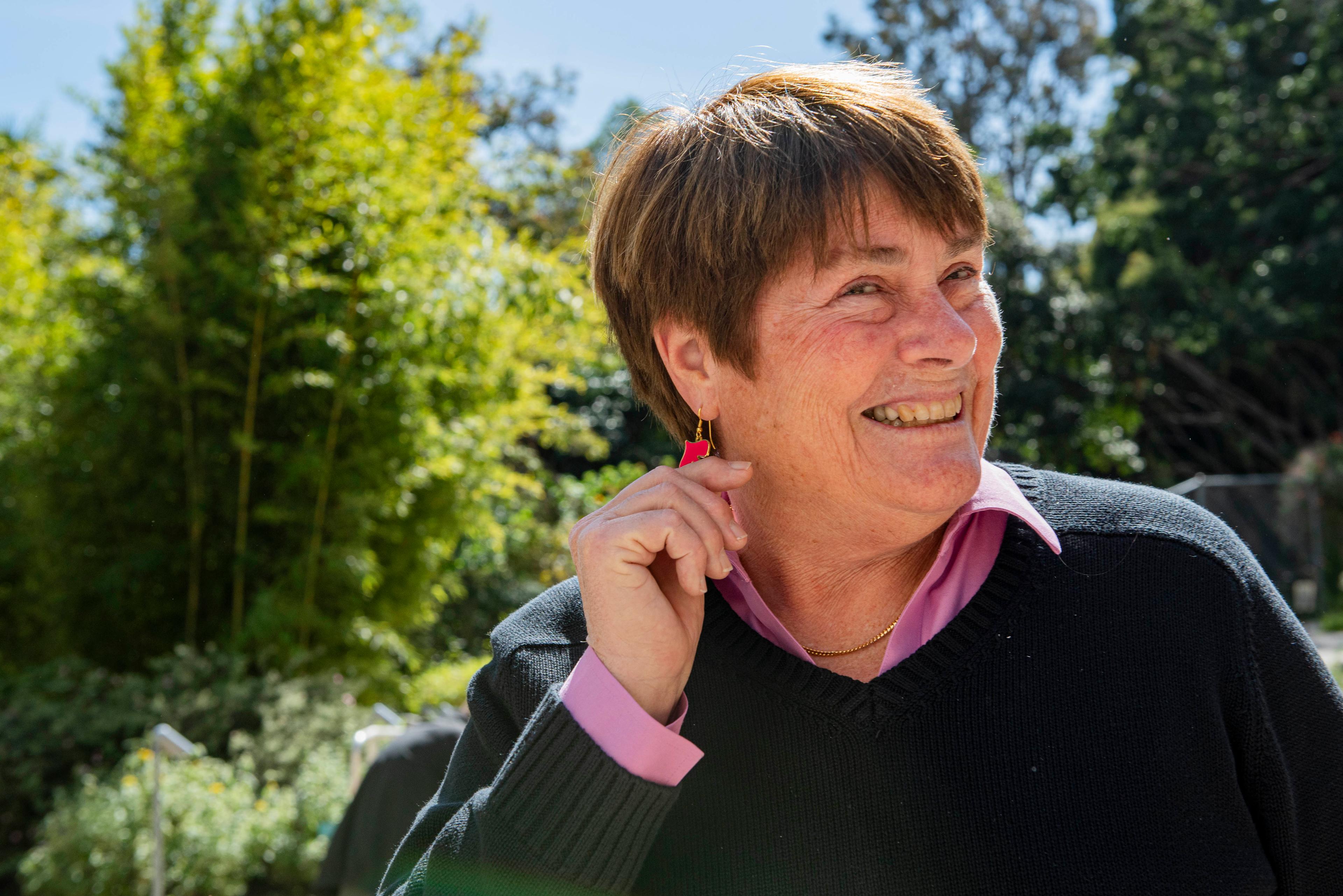
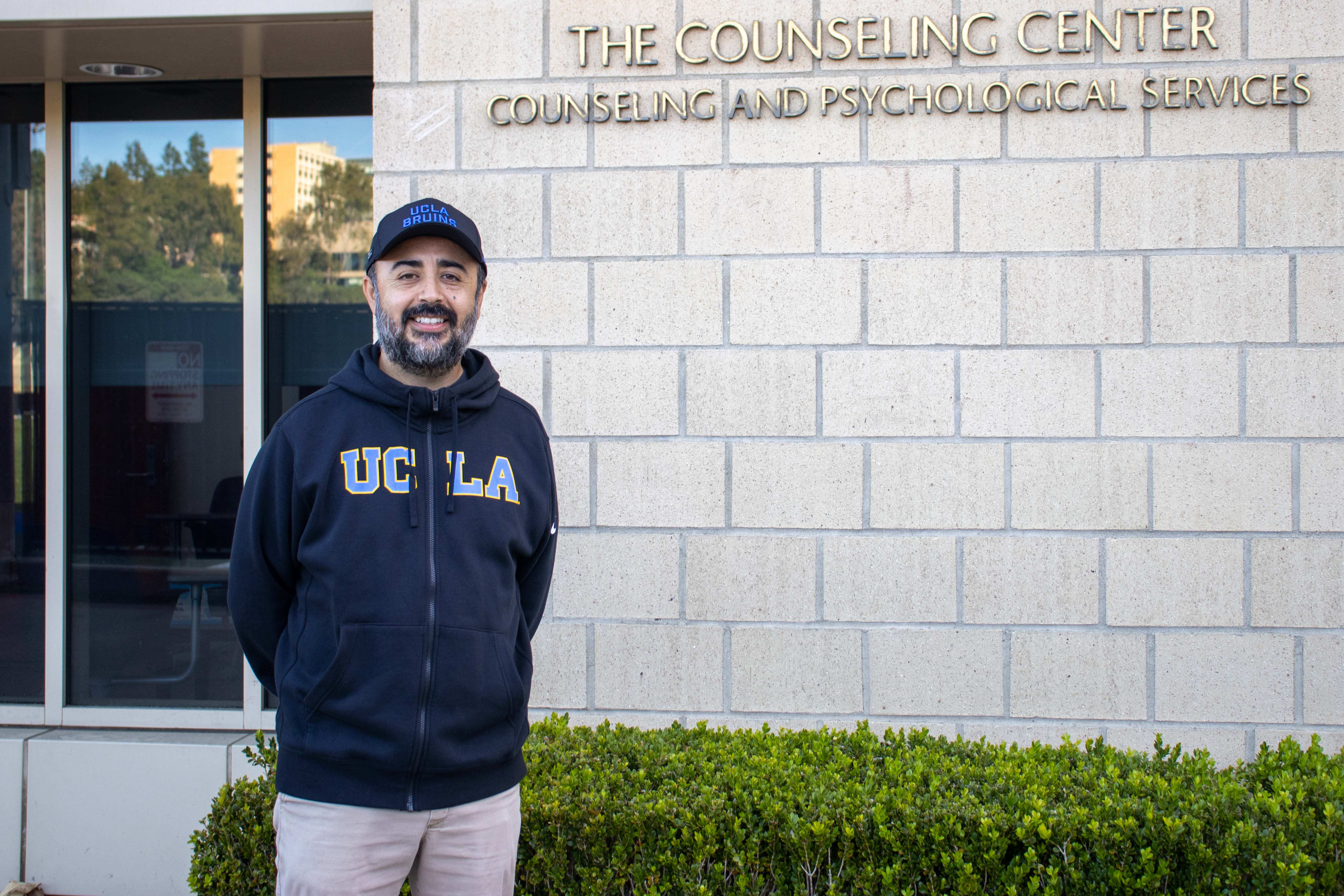
Danny Martinez, a sports psychologist at UCLA Counseling and Psychological Services and UCLA Athletics, stands outside the CAPS office. CAPS – located in the John Wooden Center – provides mental health services to undergraduate and graduate students. (Ruby Galbraith/Daily Bruin staff)
By Izzy Greig
March 11, 2026 at 8:54 p.m.
This post was updated March 12 at 1:32 p.m.
Danny Martinez worked administrative roles at California State University, Long Beach and California State Polytechnic University, Pomona for several years.
But after the COVID-19 pandemic, Martinez – now a sports psychologist at UCLA Counseling and Psychological Services and UCLA Athletics – said he wanted to pivot toward something different – working with students.
“I was driven to sort of leave that corporate ladder, … and really just focus more on working with individuals who maybe really need support,” said Martinez, a UCLA alumnus.
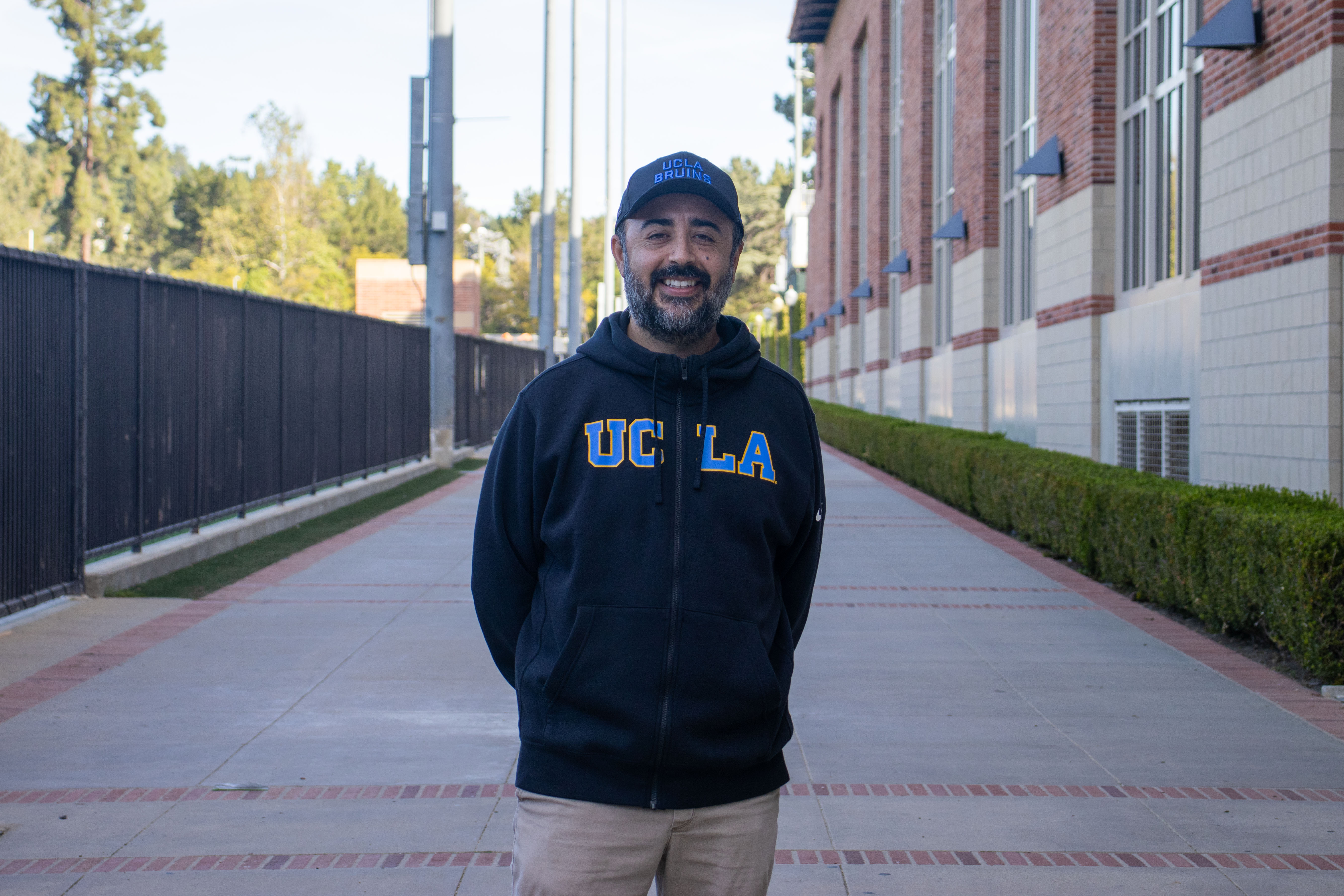
CAPS – which is located in the John Wooden Center – provides mental health services to UCLA undergraduate and graduate students, according to its website. CAPS offers therapy, group sessions, crisis intervention and psychiatric services, said Tanya Brown, the training director for CAPS.
Nicole Presley – the senior executive director of UCLA Student Resilience and Mental Health Services – said about 100 staff members make up the CAPS team, including therapists, psychiatrists, clinical coordinators and staff leadership.
CAPS therapists typically see three to six students individually throughout the day while also staying on top of their meetings with staff, Brown said.
“It’s really very fast-paced, and every student is unique,” said Xiaoming Hu, a CAPS therapist. “Every time I have a therapy appointment with a student, the topics can be very different and diverse.”
CAPS therapists participate in resident assistant training sessions to better understand students’ experiences, Brown said. The goal is to prepare the therapists to provide a comfortable environment for anyone who walks through their door, she added.
“One of the privileges of working at CAPS for me is I feel like folks know me, and I know them,” Brown said.
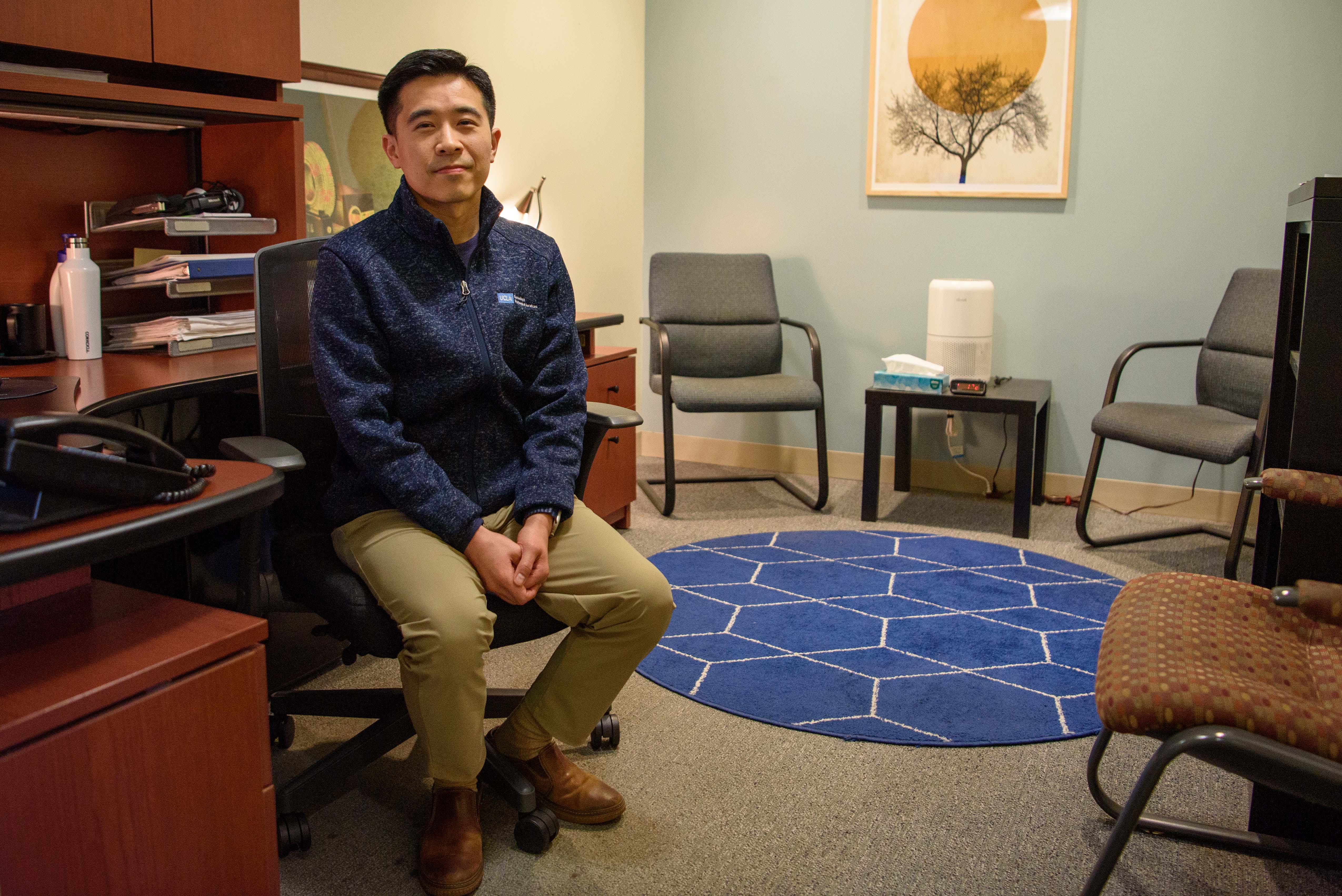
Martinez said he starts his mornings by attending practices of the teams he oversees, including UCLA track and field, rowing and women’s soccer.
He added that he conducts pre-game meditation sessions with student-athletes to help them manage pressure and build skills such as resilience and confidence.
“I look forward to every day,” he said. “A nice day might be driving up and going straight to a soccer practice and observing practice for a while with the women’s team, asking how the week has been.”
Martinez said his love for UCLA Athletics – and its history of iconic athletes like Jackie Robinson, Kenny Washington, Arthur Ashe and Kareem Abdul-Jabbar – inspired him to return to the university.
Presley, who oversees the Resilience In Your Student Experience Center and Campus Assault Resources and Education Program, said she enjoys providing personalized support to students – the people who she believes will shape the country’s future.
“I can work with students or folks who are not well, and that’s one part of the population,” said Presley, who is also in charge of Case Management services. “But then there’s this other part of the population who are going to be the doctors, the lawyers, the teachers, the scientists. If they’re not well, our society is not well.”
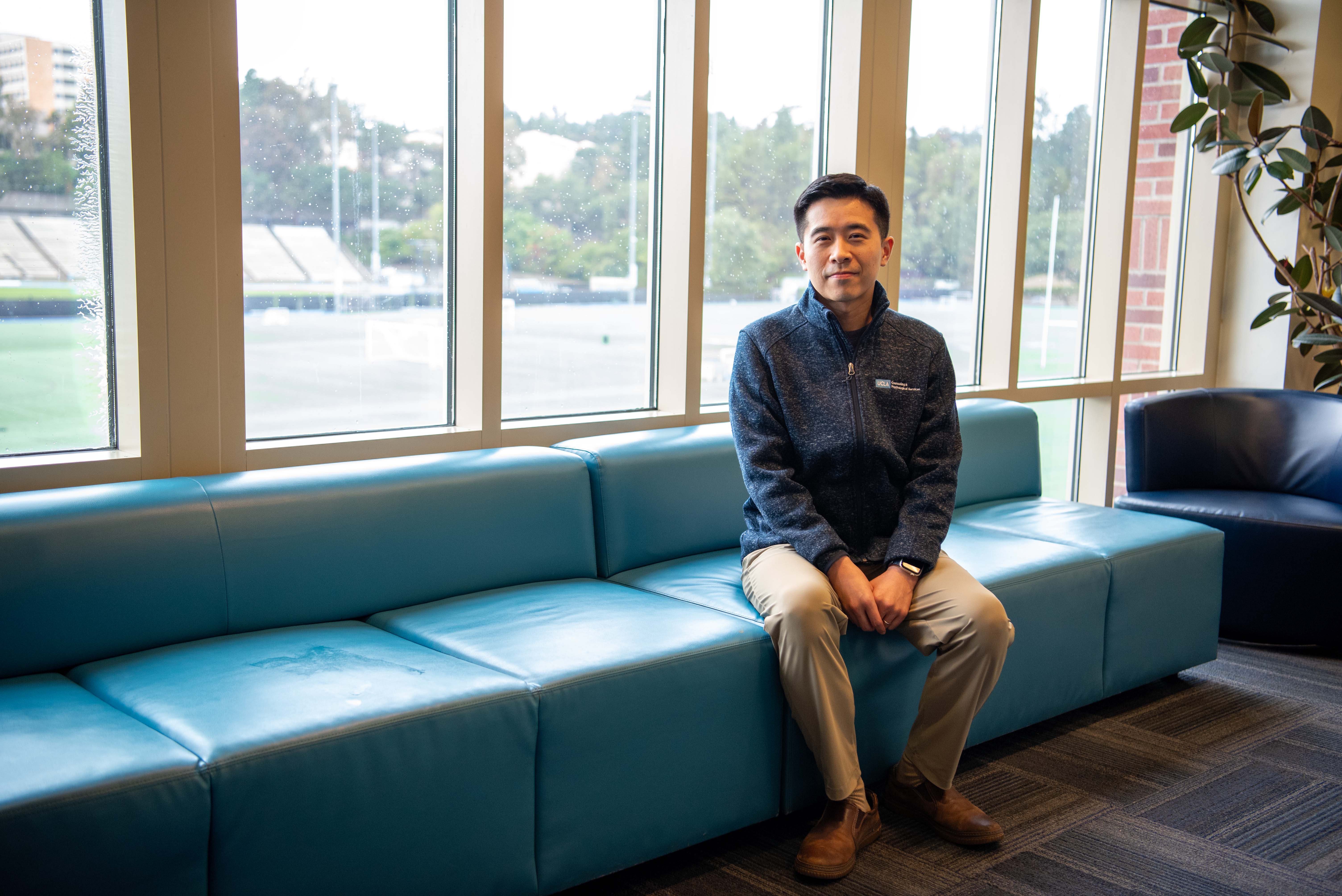
However, Presley said caring for her own mental health is also a necessity. She added that she sets intentional boundaries and carves out time for herself, even when her schedule feels full.
Chatting with co-workers and playing video games like Pokémon GO helps her unwind during breaks, Brown said.
“What’s hard about the fact when you really love your job is that you don’t take the breaks that you should,” Presley said.
Therapists are required to keep in-depth documentation for their clients, which Hu said can be a time-consuming part of his workday.
Still, he said CAPS’ supportive and collaborative office culture helps balance out administrative demands. The staff regularly gathers for lunch, he added.
Hu said his most meaningful moments of working at CAPS come from watching students grow over time and, ultimately, graduate.
“Spring quarter around graduation time is always special,” he said. “When I get to meet with them the last session before they graduate, that’s always really special. Talking with them about their journey as a UCLA student and congratulating them when they’re about to graduate.”
Hu said he recognizes that, while he offers students guidance, it is up to them to apply what they learn.
“A challenge is, as a therapist, we can’t be with students all the time or every day,” Hu said. “We can just talk in therapy and support them, and they have to go out and try the skills and try the strategies that we talked about in therapy.”
While CAPS sometimes gets backed up with intake appointments, Presley said, the staff is committed to meeting the mental health needs of the student body.
“I just want them to have the opportunity to meet the amazing staff,” Presley said. “Sometimes there’s a longer wait than others, but I think I want people to know that it’s worth the wait.”