
Students by day, dancers by night, these Bruins seem to lead two lives.
In the dimly lit courtyard beside the UCLA Central Ticket Office, hundreds of clicking heels keep time to Mexican ballads. In the neighboring John Wooden Center, a studio full of figures with baggy sweatpants and big T-shirts roll their bodies to Travis Scott hits. Meanwhile, students jump and pirouette in the depths of Pauley Pavilion, sending recorded band tunes rumbling down Bruin Walk.
All of these students are dancers. I used to be one too. I Irish danced for 15 years before coming to college. I used to spend half of my weeks in the studio and the other half at performances. Once I stopped dancing, I did not stop calling myself a dancer, and I doubt I ever will. Although I did not join dance teams at UCLA, the prevalence and versatility of campus’s dance culture has always intrigued me.
Whether they’re in the parking garages after hours or heating up the sidelines of UCLA’s biggest games, more connects UCLA’s dance groups than divides them. As I attended the practices of Grupo Folklórico de UCLA, The Elegant Bruinettes at UCLA, ACA All Day, Samahang Modern and Bruin Burlesque, I discovered that UCLA’s dance troupes provide cultural representation, support and confidence – unique among the sport.
One Tuesday evening, I turned the corner past the Central Ticket Office to the sound of music combined with the tapping of 120 heeled feet. Five rows of 20 people performed intricate partner work in the dim lighting of overhead lamp posts. A group leader yelled directions and timing, some in Spanish and some in English, while she swayed elegantly. As students passed by with eyes wide, Grupo Folklórico did not seem to care.
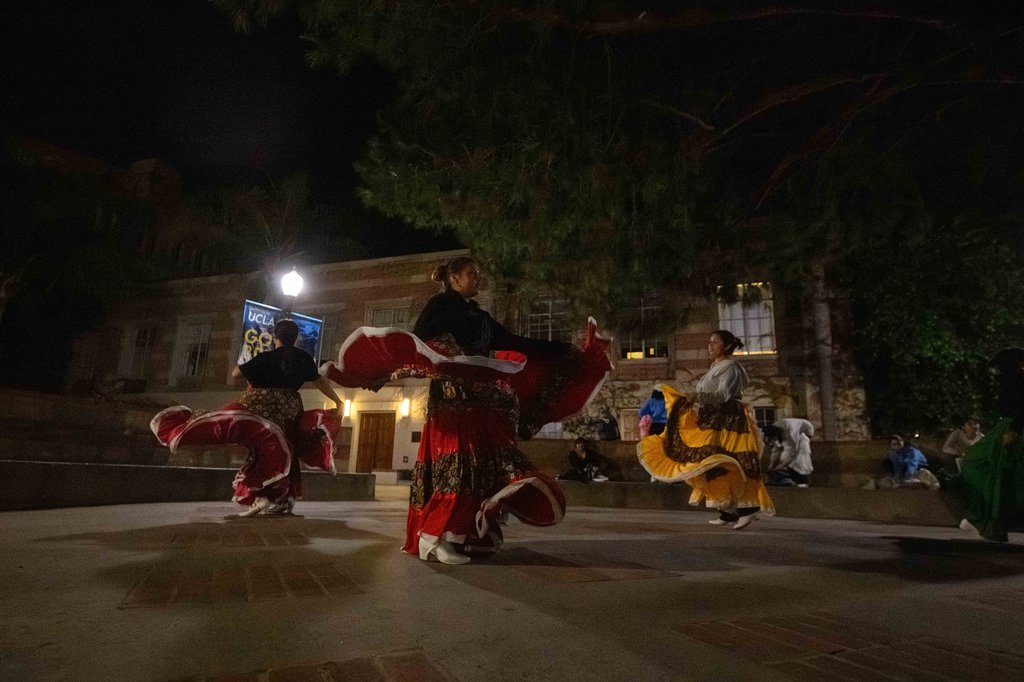
The members of Grupo Folklórico embrace dance as a means for cultural diffusion. Fourth-year psychology student Ariadne Ramirez said folklórico is a traditional Mexican dance that emphasizes the aesthetic of dancers just as much as the actual steps, as shown through the vibrant dresses and flamboyant style.
This celebration of Mexican culture is so appealing that students have based their college decisions around joining the group. Ramirez said Grupo Folklórico is one of the main reasons they came to UCLA and that they continue to deeply value the dancing as a cultural conduit.
"Dance to me is a symbolism of years and years of my ancestors coming together and creating the culture, and from that culture translating it into steps, music and choreography," Ramirez explained.
Third-year psychology student Daisa Watkins understands this feeling of maintaining a legacy through dance.
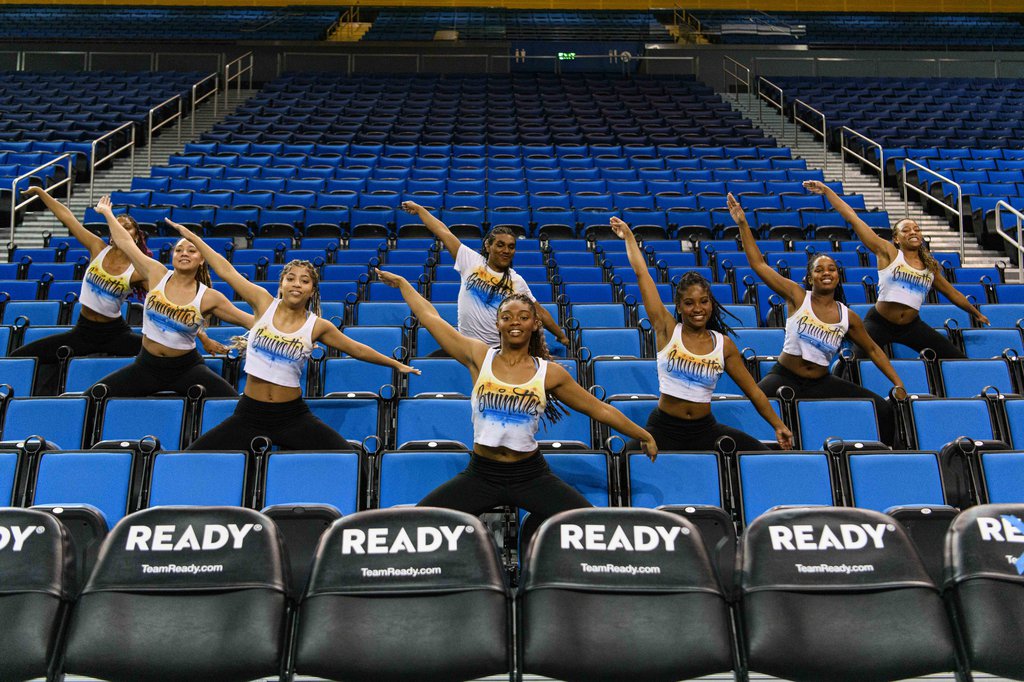
In 2022, Watkins noticed that danceline, a dance type traditionally performed at historically Black colleges and universities, was missing from the UCLA community. Second-year economics student Sanaa Jefferson said danceline combines the styles of African, ballet, hip-hop and jazz into a strong yet graceful style, requiring a unique combination of bold expression and technical prowess. Looking for a platform to celebrate Black culture through this dance, Watkins co-founded the Elegant Bruinettes in 2022.
Less than a year later, the Bruinettes have reached bigger stages than Watkins and Jefferson ever imagined. The team of 10 can be seen on the sidelines of every UCLA football and basketball home game and have even performed in SoFi Stadium for the LA Bowl. Bruinettes dancers said their presence at these sports events has helped them establish their group as an inclusive space for underrepresented students on campus.
"What Bruinettes bring is inclusivity and a space for Black and brown dancers to really come together and express, which is something that me, personally, I have never been able to experience coming to this school," said Sierra Shinn, a third-year sociology student and Bruinettes dancer.
Ramirez’s and Watkins’ sentiments struck a chord with me as well. Performing choreography based on great Irish tragedies and triumphs, such as the Irish Potato Famine, used to tie me to my ancestors’ culture. When I performed with my teammates, I could tune out the rest of my daily life and focus on that intergenerational connection. Although the cultures and dance styles that we practice differ drastically, Grupo Folklórico, the Bruinettes and I are all historians maintaining our cultural legacy via dance.
When I visited Grupo Folklórico’s practice, the January chill and midterm stress did not stop the dancers from sharing laughs and graciously welcoming newcomers of all skill levels. Third-year education and sociology student Rachelle Tecuanhuehue had not danced a day in her life before joining Grupo Folklórico. Now that she has two years of experience under her belt, she is not only more confident calling herself a dancer but more confident in her place at UCLA.
"It’s allowed me to be comfortable in my own skin and my own culture, in a space that sometimes doesn’t necessarily accept my culture," Tecuanhuehue said.
The Bruinettes also find community among one another. Shinn said they refer to each other as sisters, and they can talk to their sisters about anything. Shinn added that she is grateful to have an inclusive space where she can express herself without judgment from her fellow dancers, something she had never experienced on her prior dance teams.
One Friday night, after a long week of classes, I descended the Pauley Pavilion steps, enticed by the sound of the Bruinettes’ sneakers squeaking on the gym floor. I had walked in on the team’s clinic aimed at introducing danceline to dancers of all ages from across Los Angeles.
Although I was not adorned in the matching blue leggings and white crop-tops that the dancers wore, before I knew it, I was invited to join in on the floor turns and plié drills. Each spin conjured a carefree feeling within me, which is a triumph during the chaos of the quarter system.
The sideline cheering from my fellow dancers reminded me of the Association of Chinese Americans All Day practice I shadowed a few weeks earlier.
One Saturday afternoon, I entered the Pyramid Room in the John Wooden Center just for "MY EYES" by Travis Scott to deafen me with 200% volume. The only thing louder than the music was the teammates cheering each other on. The team was split into groups of eight, taking turns performing a routine filled with intricate hand movements, smooth bodily motions and a swag I wish I had.
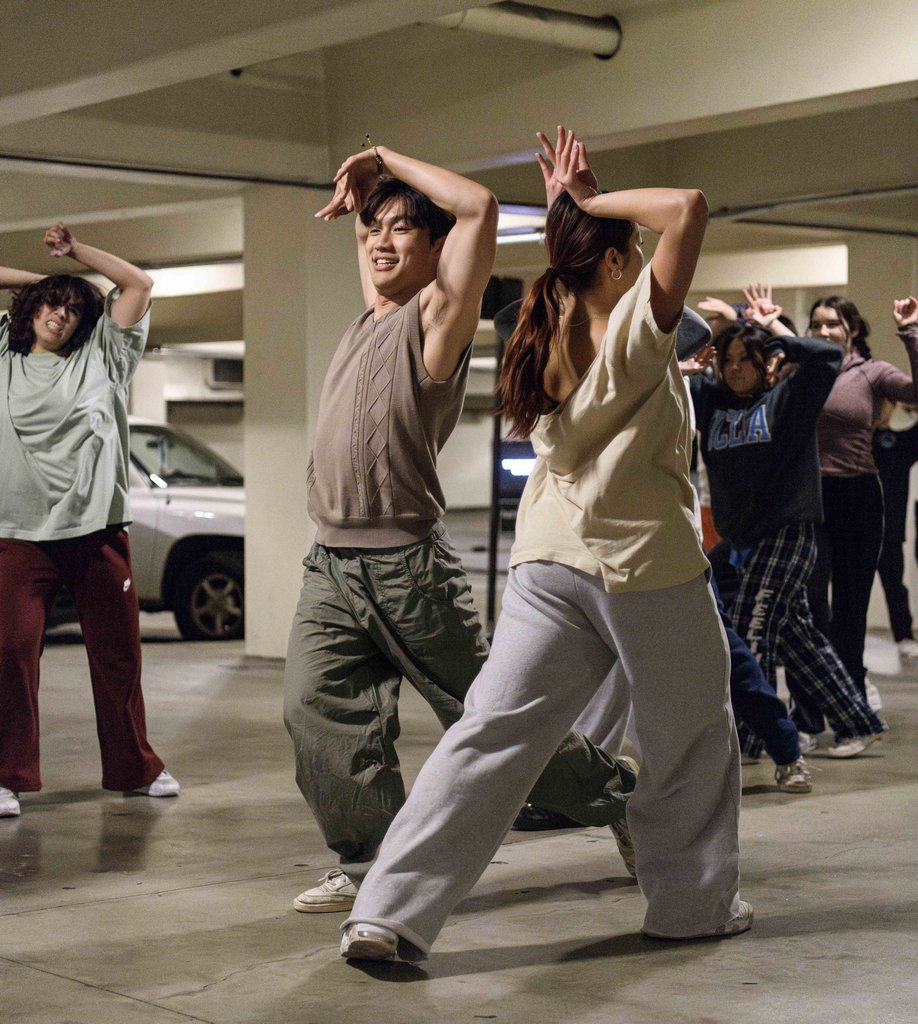
The dancers fed off their teammates’ energy, with cheers of dancers’ names erupting after each trick. Even during breaks they delivered compliments and helped each other with the choreography.
"It’s really more like that family aspect and fostering a very supportive and safe environment for everyone," said Kiana Aminzadeh, third year physiological science and gender studies student. "It really defines ACA, and it’s what stood out to me initially. And that’s why I’m still here."
ACA All Day is one of many dance teams started by Chinese American cultural organizations at colleges across California. Other than the dance team, ACA is a student group that educates, connects and raises awareness about Chinese heritage, political projects and experiences. The UCLA team regularly competes with other California teams, lending a competitive spark to the troupe. Aminzadeh said their dancers give the team their all – even if it means stepping out of their comfort zone and challenging their boundaries.
I witnessed a similarly supportive environment and commitment to the team when I attended Samahang Modern’s late-night hip-hop practice a few days later. All the members of Samahang Modern arrived early for the 7:30 p.m. to 1 a.m. practice. They sat on the floor and proceeded to crack each other up like the best of friends.
It was the first Samahang Modern practice since their winter auditions. I expected the practice to start with warmups and dance drills, but instead, they took the time to introduce each new member with a fun fact. One dancer said they could make their own sushi, and one dancer claimed to give really good massages. The team’s leaders then sorted their new members into "fams," or subgroups of the team organized by interests and personalities.
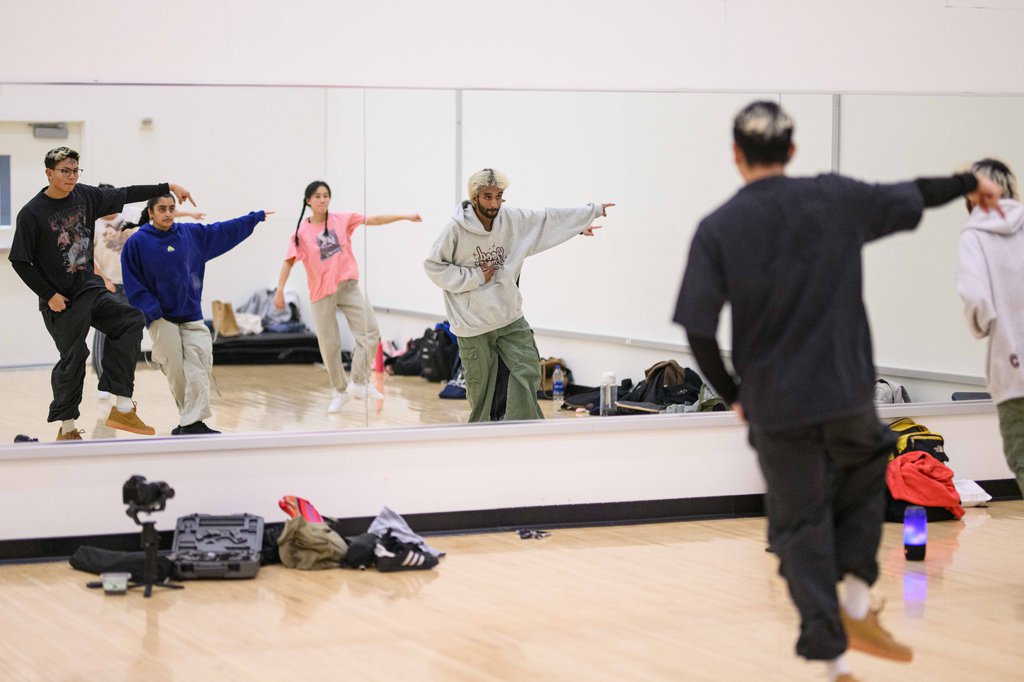
"There’s a lot of different ages on the team," said first-year political science student Priyanka John. "Which is also really special because there’s people that are in leadership that we can look up to, but are still our friends and our peers. ... It’s nice to have those mentors."
As a child, my teenage dance teachers were my biggest role models. Once it became my turn to lead the team, I helped the younger students find their footing. I shared so much time and growth with my teammates that they became family. Watching ACA, the Bruinettes and Samahang Modern, it was clear that Bruins found similar tight-knit communities within these dance troupes.
Samahang Modern was the first established competitive dance team at UCLA, founded in 1986. According to its UCLA Community page, the team formed for the annual Samahang Pilipino Cultural Night, and is guided by principles including professionalism, cultural roots and family. John said this sense of family outside of school adds value to her college experience and noted that she feels empowered by the cultural history of their hip-hop style.
"I feel like me partaking in hip-hop dance is a way to express myself as a person of color, and also be in a community of other people and other types of races and backgrounds and identities, and just join together and unify under one dance floor," John said.
A tight-knit sense of togetherness binds dance teams like ACA and Samahang Modern. I did not expect to find that same camaraderie at the solo dance group Bruin Burlesque.
Stepping the most out of my comfort zone as I had in a while, I entered a Bruin Burlesque practice one Sunday evening. I was exhausted from a busy week and weekend when I arrived that night and was never expecting to jump onto the dance floor as enthusiastically as I did. But as soon as I entered the Legacy Room in Wooden and witnessed the group’s upbeat warmups to Beyoncé, I realized that this class was exactly what I needed to start my week off right.
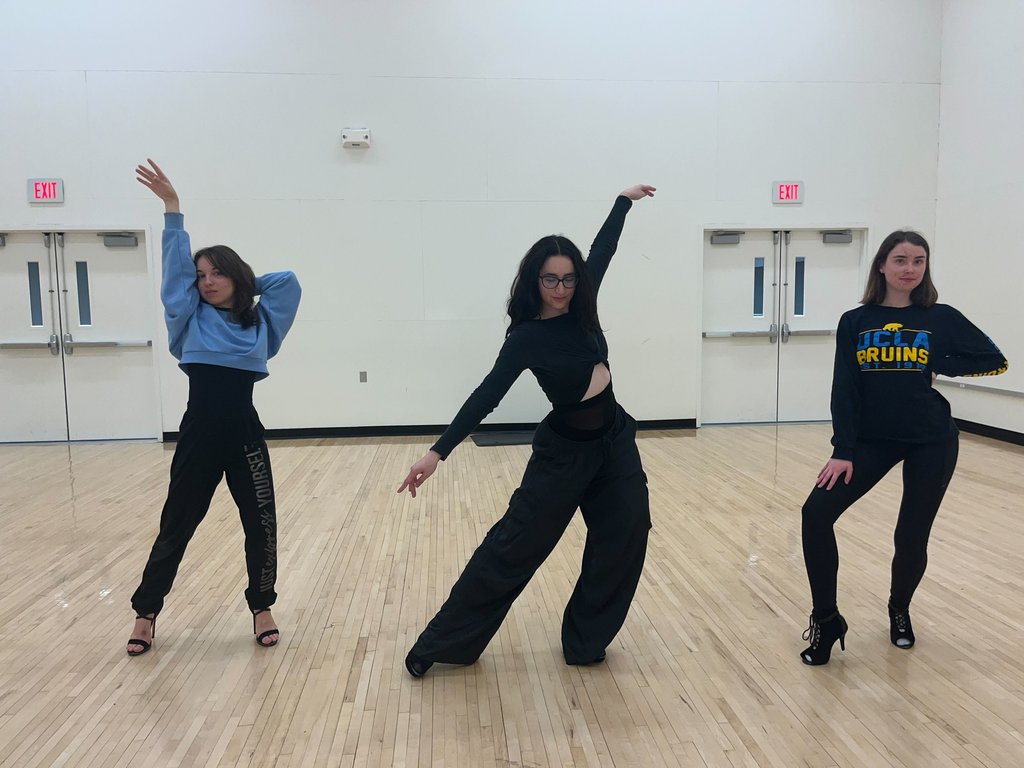
Fourth-year psychology student Kansas Tilbury, Bruin Burlesque member, said burlesque is a sensual dance typically performed in stilettos and featuring personalized, improvised moves. Though Bruin Burlesque performs on campus throughout the year, third-year psychobiology student Dahlia Kirov, who was teaching the class that I attended, emphasized that their slow, theatrical performances are for each dancers’ own benefit.
"I know that there can definitely be a lot of comparison or self-esteem issues within the dance community, especially when it comes to looking at yourself in the mirror," Kirov said. "But at least in burlesque we really try to prioritize that feeling of confidence with yourself before mastering a dance."
As I danced alongside the Bruin Burlesque members that night, Kirov affectionately called us "babes" as she flaunted across the floor in six-inch heels. When we were not dancing, we cheered with excitement for our peers not unlike the ACA teammates. The intimate dancing had the potential to feel awkward under the fluorescent lights, but with the encouragement of my peers, I even had the confidence to create my own unique poses.
Often when I danced in high school, I felt like I was dancing for other people. I was dancing to impress my teacher, to make my mom happy or to entertain the hordes of families at the St. Patrick’s Day parade. But when lost in the smooth flow of the routine to "Obsessed" by Mariah Carey, I focused on myself. There was no one in the room that I knew – no one that I was trying to impress.
As I talked to the other dancers, I quickly learned that they felt the same way.
"I would say dance is escape, if I had to choose one word," Tilbury said. "Obviously, going to UCLA we’re all very much ‘work hard, play hard.’ So dancing is just where I get to go to and leave everything else behind and kind of immerse myself in choreography and doing something that I love."
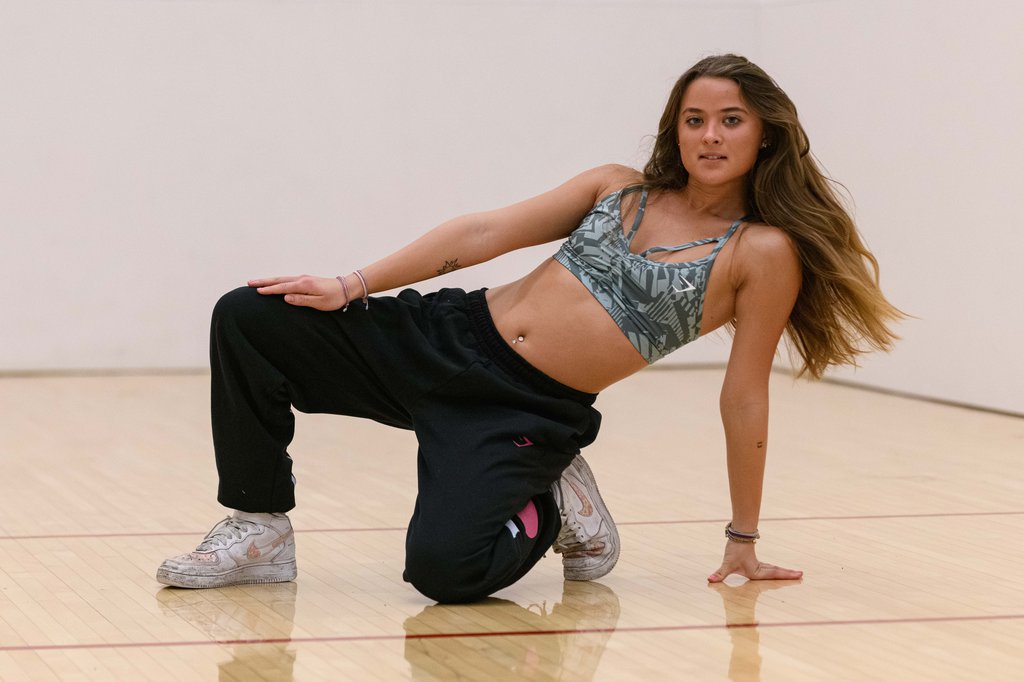
In my college life, I am constantly under pressure. Pressure to do well in school while making connections and having three internships. I am often so caught up in the next item on my Google Calendar that I miss the event I am currently in. At Bruin Burlesque, I was completely in the moment. My head felt clear except for the echoes of Mariah Carey off of the studio walls.
My fellow dancers from each group agreed. They shared my belief that dance creates a liberating space outside of the daily stressors of UCLA.
"I see it (dance) as freedom in a way where you can express yourself however you want without the fear of being judged," third-year biology student Ryan Pak from ACA said. "I feel like a dance studio is very welcoming. ... It’s like a home away from home."