
When James Alcantara first told his parents he wanted to be a firefighter, he was met with concern.
He was "not the right color," they said. Though he had already decided to pursue the career, as a kid he struggled to imagine becoming a firefighter.
"Growing up, all you see are blonde hair, stacked, jacked, 6’4", 250 (pound) firefighters, right?" he said. "That was my existence."
For communities of color, trust in first responders has never come easily. The creation of the 911 system was a response to the Civil Rights Movement, and over 60 years later, Black and Hispanic Americans still distrust law enforcement, according to a 2023 Gallup Poll. Further, modern-day policing traces its origins to the "slave patrol," which used terror and excessive force to control enslaved people in the early 1700s. People of color in the United States also find it harder to access quality health care.
Alcantara is one of 4.6 million first responders in the U.S. – firefighters, police officers, security personnel, EMTs and paramedics, among others – who risk physical danger and emotional trauma while working long hours to ensure public safety. Though each poses its own unique set of challenges, many first responders of color also find strength in their identities.
As a paramedic at the Culver City Fire Department who works with the UCLA Health Mobile Stroke Unit, Alcantara’s profession is no longer a point of confusion – rather, it has become a source of pride for his family. When Alcantara’s family members meet other firefighters while traveling, they’re always eager to share his story and celebrate his accomplishments. Getting hired as a firefighter, he said, was like fighting "an uphill battle," and he credits his family, whose constant support and encouragement made it possible.
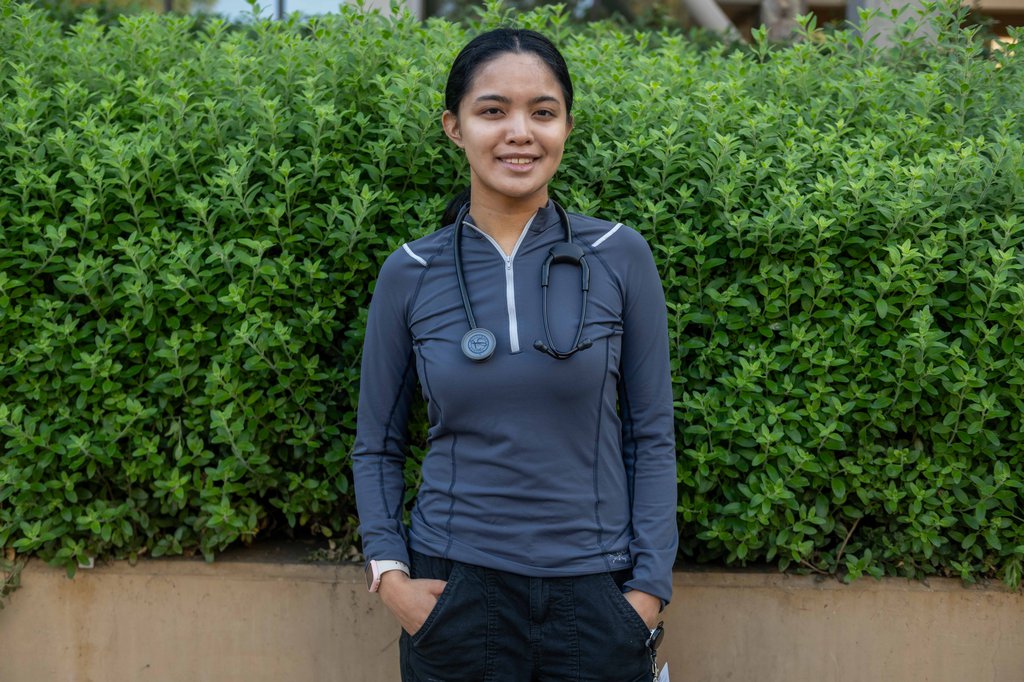
Gabrielle Dizon, a second-year business economics and psychobiology student, said her cultural background has also been a source of strength in her work as an EMT, as it allows her to connect with other health care workers on a deeper level and forge bonds.
For example, she recalls transporting a patient undergoing chemotherapy who appeared very weak. Dizon said she was heartbroken overhearing him and his visibly worried wife discussing his treatment and how uncertain they were about his health. His wife told Dizon that she felt comforted by the fact that Dizon is Filipino and could speak Tagalog. This cultural bond gave the patient’s wife a sense of safety.
"She even brought me and my other EMTs food, which they said has never happened before in their career," she said.
Dizon added that she has also experienced a similar sense of cultural solidarity and mutual care with other Filipino health care workers. She said while Filipinos are known for caring for everyone, there’s also a special bond and mutual care within their own community – a sense of taking care "of our people." When she meets other Filipino healthcare workers, she immediately feels a sense of connection from their shared identity.
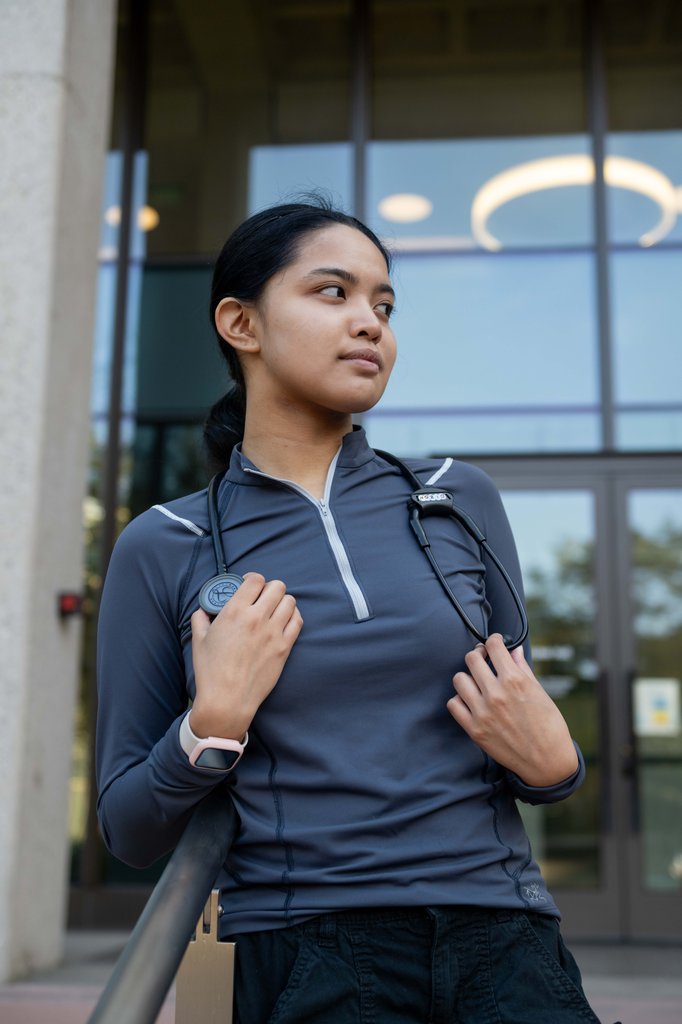
However, many first responders like Dizon struggle to articulate the traumatic and violent aspects of the job. For one, Alcantara struggles to respond to the common question of, "How is work?" from his friends and family. He internally compartmentalizes the traumatic events he witnesses during the day, whether that be the death of an infant or injuries from a deadly car accident.
But when he comes home to his two young daughters, he leaves the pain of the day at the door – the injuries, the deaths, the chaos. Instead, he smiles and tells them about their uncle’s pineapple upside-down cake. Another day, he tells them his friends are having a baby.
"We take a lot of that home, and we sweep it under the rug," he said. "It internalizes and it then resurfaces through a lot of mental health."
Eighty-five percent of first responders report symptoms related to mental health conditions. Now, Alcantara participates in a peer support program to help first responders process depression, anxiety, PTSD and substance misuse. James Echols, UCPD’s community services division lieutenant, said many first responders choose not to say anything to their families to protect them from the trauma, but the lingering effects of suffering in silence "sneaks up on you."
"If you work 911, you see the worst of the worst happen," Dizon said. "You see people get shot. You see people die. People die in your ambulance and after that call, you’re expected to go to another call, clean up your ambulance like nothing ever happened. And that’s hard. That’s really hard."
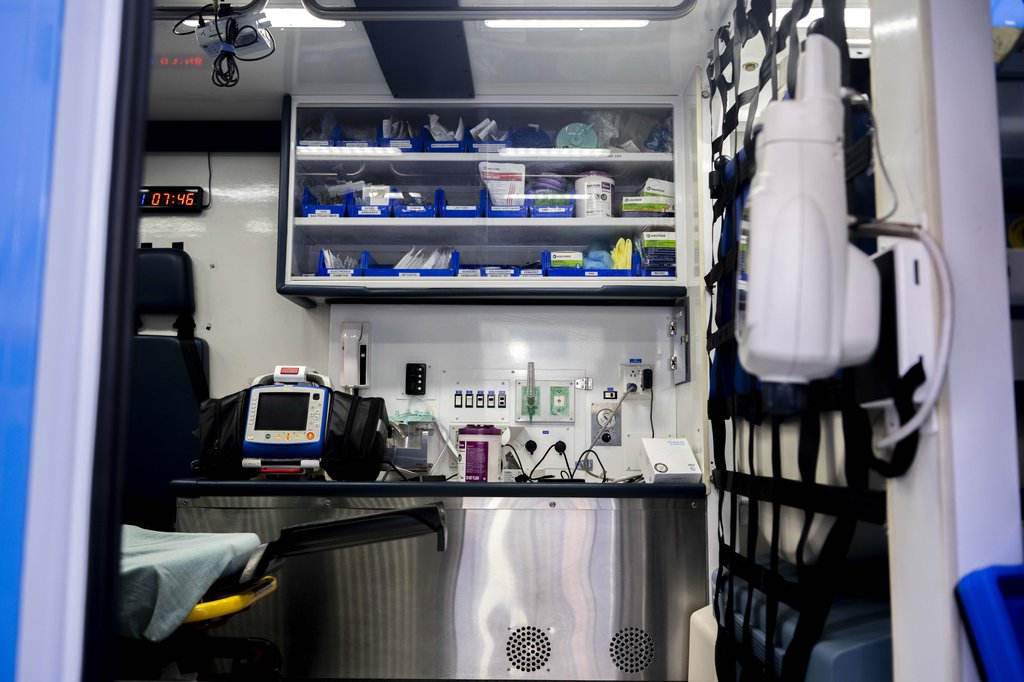
Dizon adds that the physical demands of the job, such as lifting patients, moving gurneys, transferring people to hospital beds and carrying heavy equipment, cause significant strain on first responders’ bodies – a painful addition to the mental burdens of the field.
She recalled responding to a call to transport a patient – a task that was physically demanding for everyone involved. Her team grew demoralized as the patient repeatedly blamed them for his discomfort, showing little appreciation for their efforts. Despite her own physical and emotional exhaustion, she struggled to keep her frustration in check and maintain empathy. She said her job as an EMT requires her to balance her emotions in life-threatening situations.
"Unfortunately, sometimes you will be the last person there with them, and especially if they’re dying in the ambulance, there’s nothing you can do about that," she said.
In addition to the psychological and physical tolls, first responders also have to contend with racism as they try to do their jobs. Echols said people sometimes try to distract law enforcement during arrests through racist comments, especially when they feel intimidated or threatened during encounters with first responders.
"They don’t know you as a person, so they can’t attack your character," he said. "They don’t know where you come from or what you’re dealing with, so the only thing they have is what you look like, so they attack that."
Echols believes that the racist comments he hears stem from anger at law enforcement. He understands that the people aren’t truly angry at him, but rather they’re upset because they were caught or because Echols is enforcing laws that may punish them for their actions.
"I just take it with a grain of salt that no matter what race they are, if they’re saying something that is racist in nature, I know what their intent is, and I have to be above that," he added.
Despite the many stressors of the job, Alcantara added that he values the selfless, inclusive nature of his work as a first responder. He said it’s easy to lose sight of the human side of caring for others in such a fast-paced, high-pressure environment.
Echols added that he wishes there could be a move beyond bias or prejudice to judge first responders by their actions and professionalism. An officer’s race, ethnicity or appearance should not affect how they are treated when they respond to emergencies.
"If you call and there’s a need and that officer satisfies that need, that should be the focus, not what the person looks like when they show up," he said.